06
Pregnant Solution Treatment and Gold Recovery
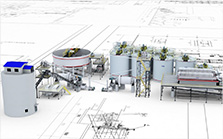
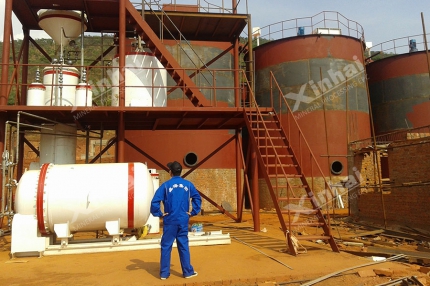
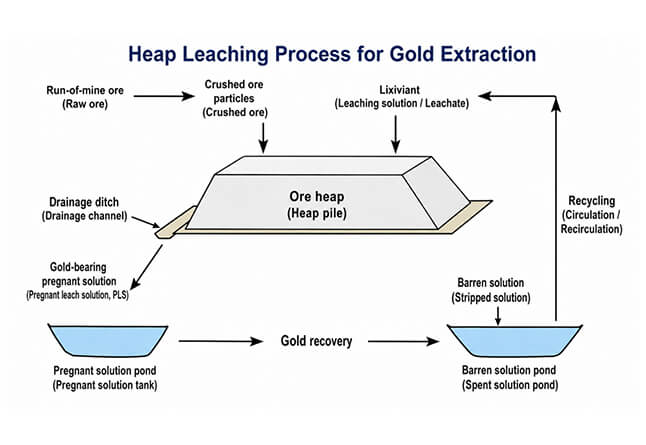
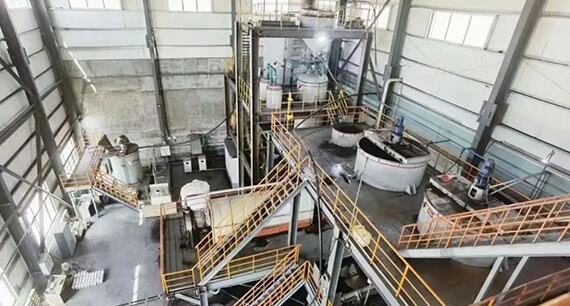
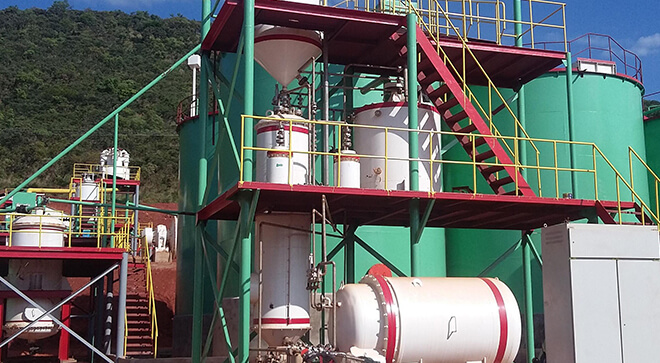
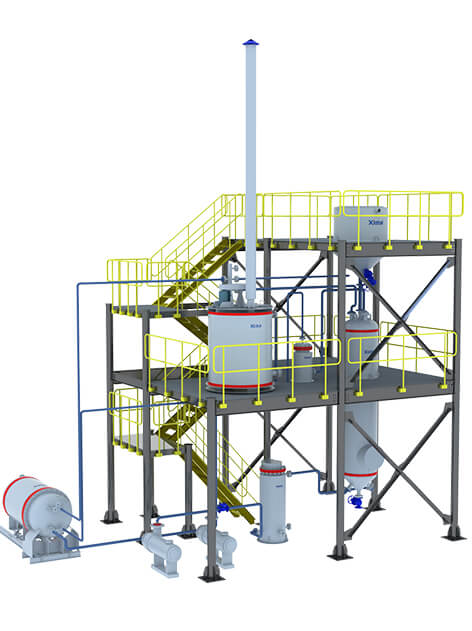
After collection, the pregnant solution must be processed to recover dissolved gold. The most common method is activated carbon adsorption followed by desorption and electrowinning.
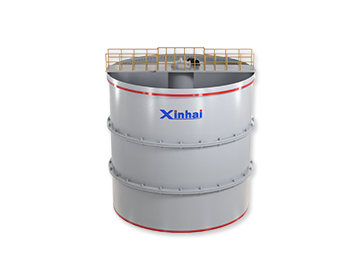
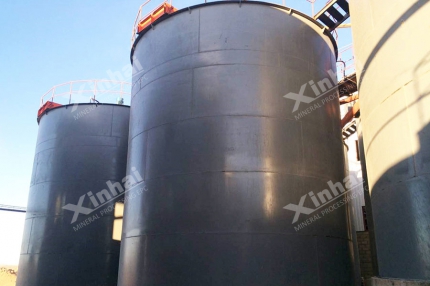
Activated Carbon Adsorption
The pregnant solution first enters adsorption columns or carbon adsorption systems, where granular activated carbon with a particle size of 2–4 mm is used to adsorb dissolved gold. The typical adsorption flow rate is around 10–15 m/h.
As the carbon loads with gold, it becomes loaded carbon, which is then transferred to the desorption stage once it reaches the target loading.
Desorption
Desorption is generally carried out under high temperature and high pressure, typically:
- 120–150°C
- 0.3–0.5 MPa
- Desorption time: 8–12 hours
A hot sodium cyanide solution is used to strip Au(CN)
Electrowinning and Smelting
The desorption solution is then sent to an electrowinning cell, where gold is deposited on the cathode as gold sludge. The sludge is further dried, refined, and smelted to produce gold bullion.
Zinc Powder Precipitation
In some special cases, especially for ores with relatively high silver content, the zinc powder replacement method can also be used to precipitate gold and silver from solution.
Barren Solution Recycling
After adsorption, the barren solution can be returned to the leaching circuit for reuse. This helps reduce:
- Fresh water consumption
- Cyanide consumption
- Overall operating costs
Solution recycling is one of the important reasons heap leaching can offer attractive economics for low-grade gold deposits.
 marketing@xinhaimining.com
  0086 13810327080