Africa holds approximately 70% of global chromite reserves, with South Africa, Zimbabwe, and Madagascar as major producers. For operators considering new plants or upgrades, the difference between profitable and marginal operations often comes down to decisions made before construction begins.
This guide outlines practical considerations for building a chrome beneficiation plant in Africa, based on established metallurgical principles and regional project experience.
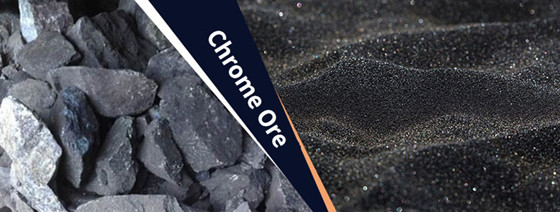
Use the table of contents below to navigate through the guide:
01Ore Characterization Comes First
One common mistake in chrome projects is selecting equipment before fully understanding the ore. Before designing a process, the ore must be carefully analyzed, with key indicators including:
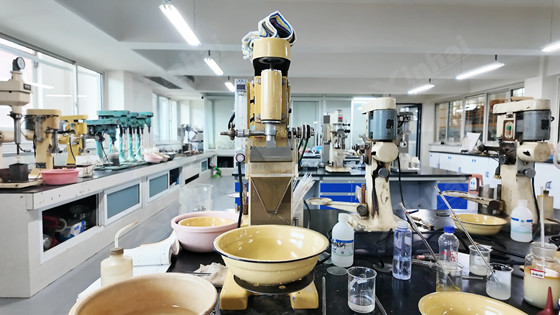
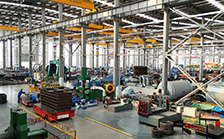
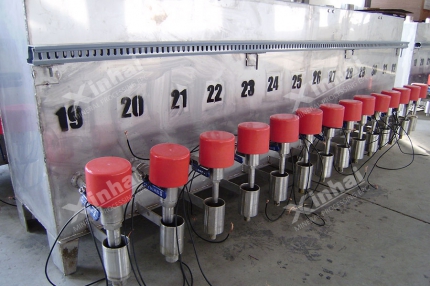
(chrome ore beneficiation test)
These directly affect concentrate grade and smelting performance. Different ores also behave differently during beneficiation—some are easier to upgrade via gravity separation, while others require magnetic separation or fine particle recovery.
That’s why lab and pilot testing are essential. A proper testing program helps determine:
Testwork costs are typically modest relative to total project investment, while design errors based on insufficient data can be expensive to correct post-construction.
02Choosing the Right Chrome Ore Beneficiation Process
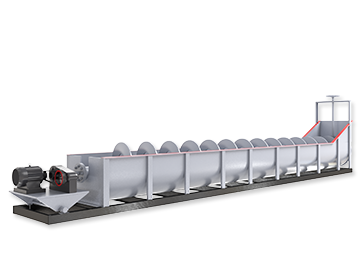
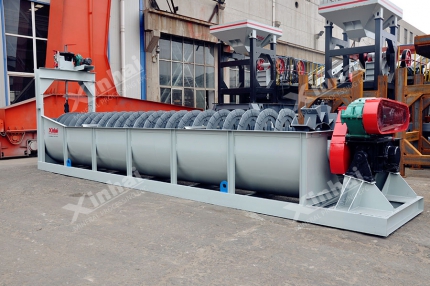
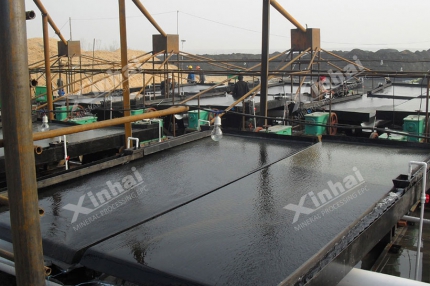
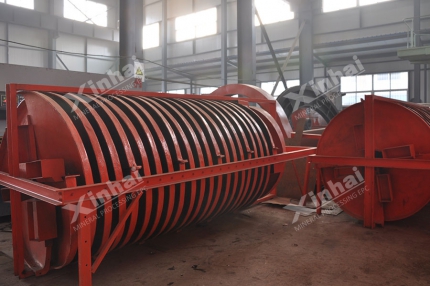
Gravity separation is widely used in chrome mining in Africa due to its simple process, no requirement for reagents, lower infrastructure needs compared to flotation, and efficient recovery of coarse chromite grains (typically above ~0.1mm, if sufficiently liberated).
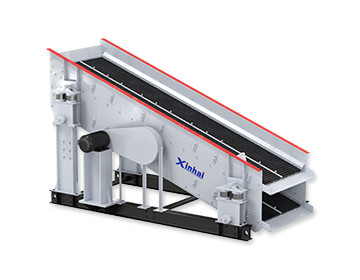
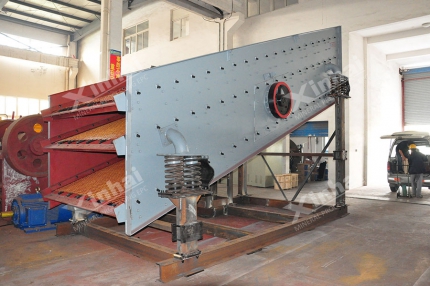
Typical Process Flow: Run-of-Mine → Crushing → Screening → Grinding → Gravity Separation (Spirals/Jigs) → Cleaning (Shaking Tables) → Dewatering → Concentrate
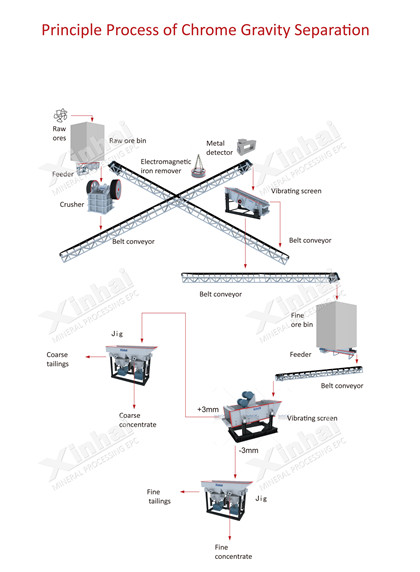
The exact flowsheet must be validated through testwork. Some ores require multi-stage grinding, magnetic separation, or flotation circuits where gravity alone is insufficient.
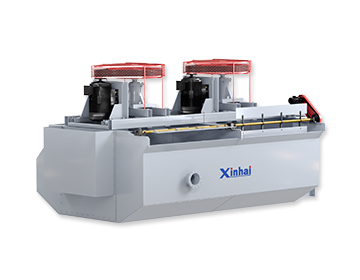
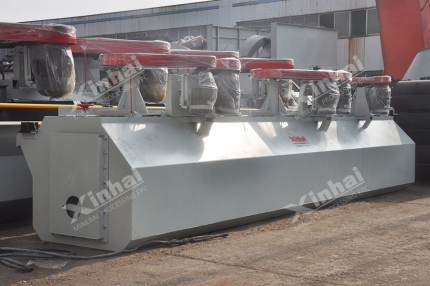
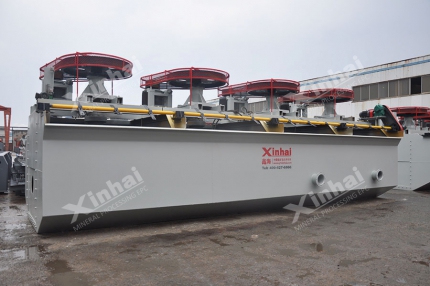
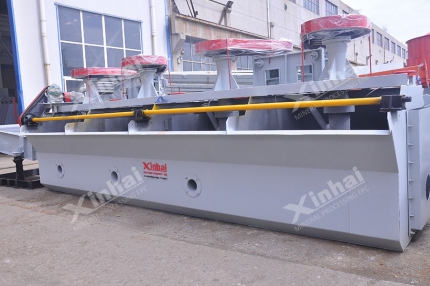
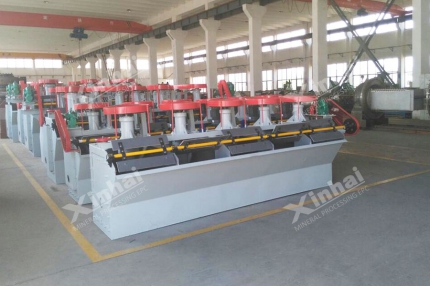
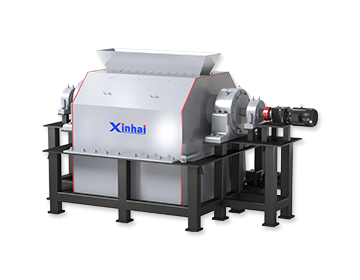
Standard gravity equipment becomes less efficient for particle sizes below a certain threshold. For ores with significant fine fractions or tailings retreatment projects, supplementary equipment such as centrifugal concentrators or flotation cells may be needed.
Adding fine recovery circuits increases both capital and operating costs. Economic viability depends on the additional chrome recovered versus the incremental expense.
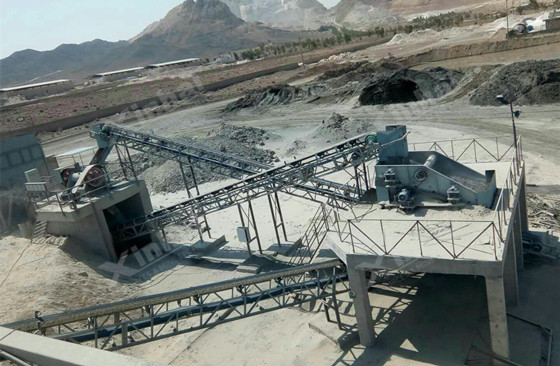
(chromite beneficiation plant)
03Africa-Specific Challenges in Plant Design
Building a successful chrome plant in Africa isn’t just about the process—it’s about designing for local realities.
Key considerations include:
1. Power reliability – Unstable grids are common. Critical steps like crushing, grinding, and dewatering require backup power to avoid costly shutdowns and damage.
2. Water availability – Many regions face scarcity. Water recycling systems are not just beneficial—they’re often required for licensing and plant survival.
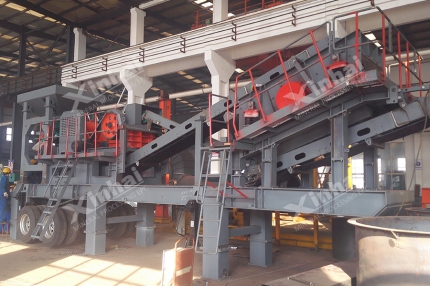
3. Logistics and supply – Remote sites make equipment transport and spare parts procurement difficult. This is where modular plant design adds value, as it shortens construction time and eases transportation.
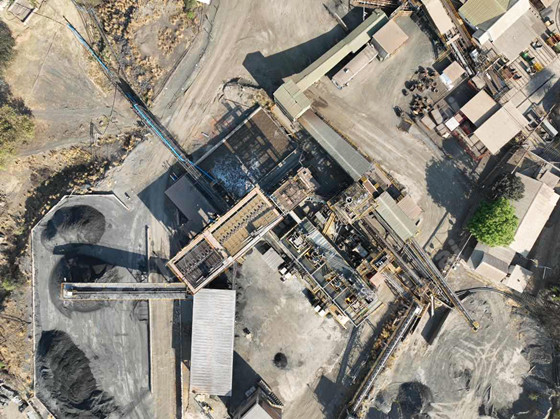
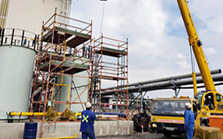
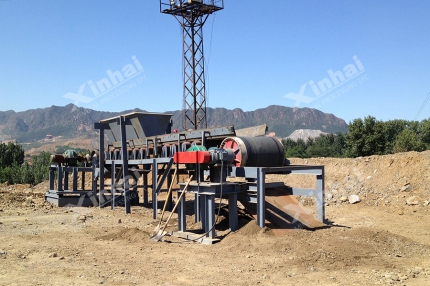
(chrome ore plant construction Africa)
4. Cost and constructability – High material costs and limited local industry can drive up expenses. For example, in a South Africa-based 3000tpd chrome plant project, traditional concrete structures were found to be too costly and slow to build. The solution was a modular steel plant, which cut construction time, lowered costs, and reduced on-site complexity.
5. Flexibility and scalability – Modular setups are easier to relocate or expand, fitting phased project development and adapting to changing site conditions.
Ultimately, smart plant design blends proven metallurgy with practical, site-specific solutions for power, water, logistics, and cost control.
04Selecting the Right Chrome Ore Mining Equipment
Equipment choices affect recovery, operating cost, and plant availability. Selection should follow from the validated process flowsheet, not precede it.
Key Equipment Categories:
| Stage | Typical Equipment | Selection Considerations |
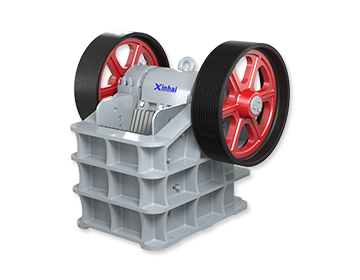
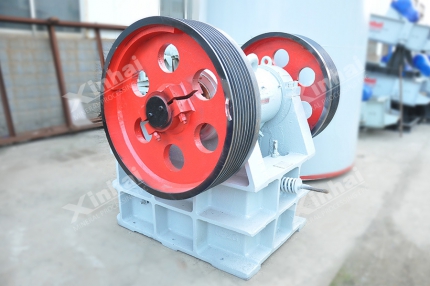
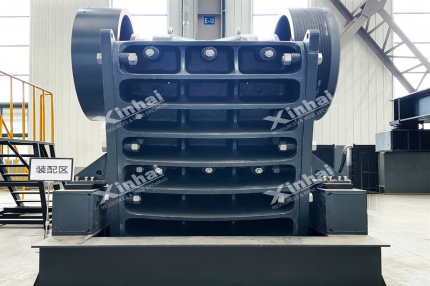
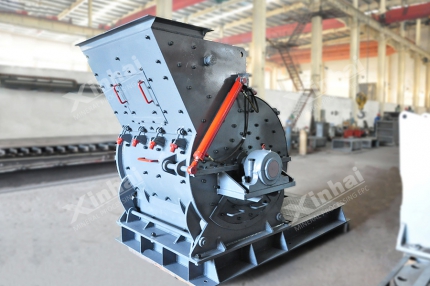
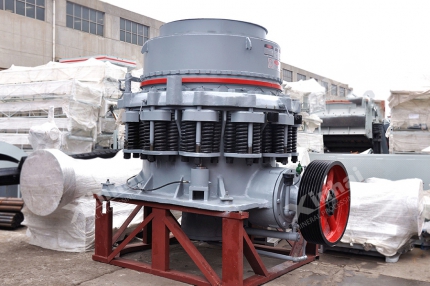
| Crushing | Jaw, cone, or impact crushers | Match to ore hardness and abrasivity |
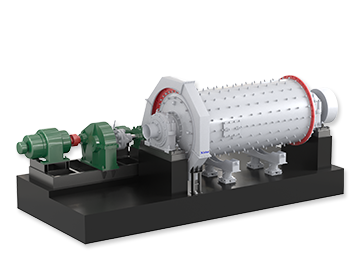
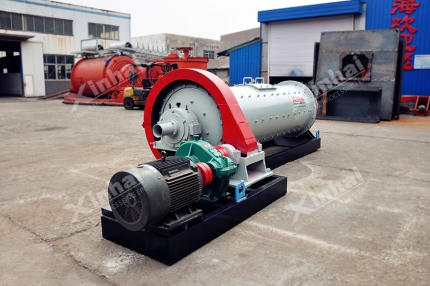
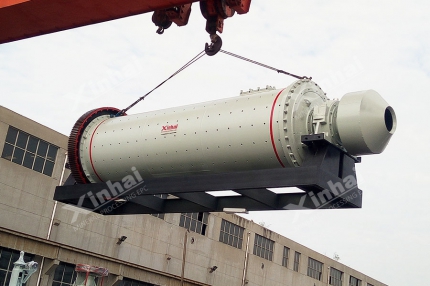
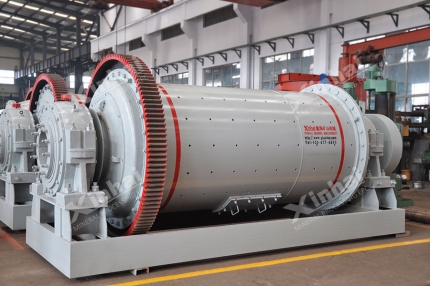
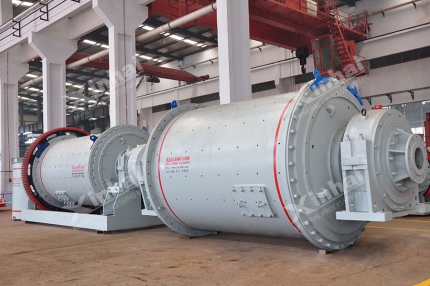
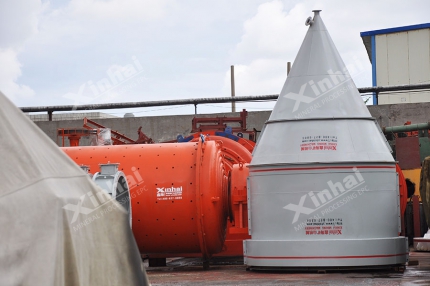
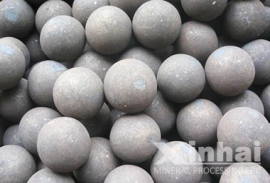
| Grinding | Ball mills, rod mills | Closed-circuit operation with classification improves size control |
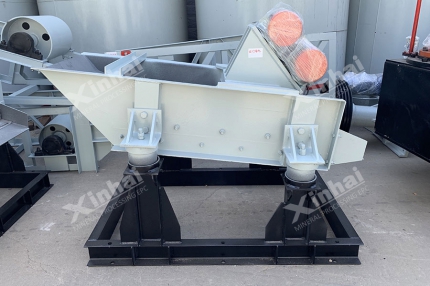
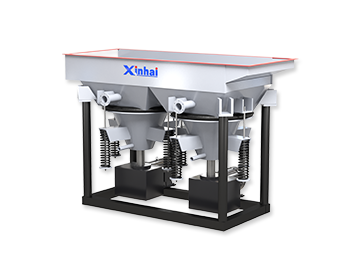
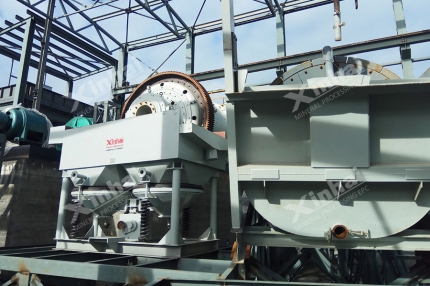
| Gravity separation | Spiral concentrators, jigs, shaking tables | Equipment matched to target particle size ranges |
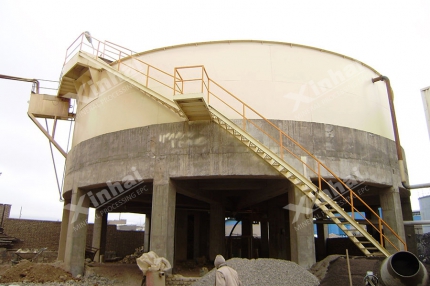
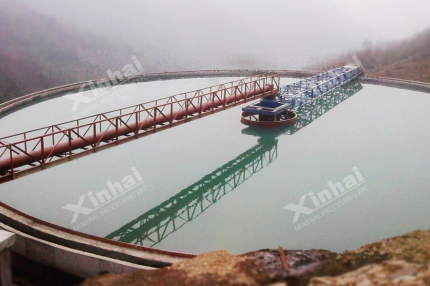
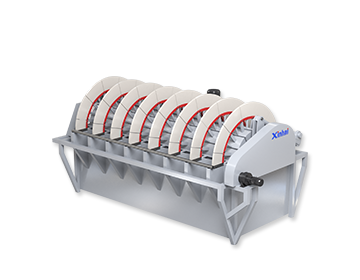
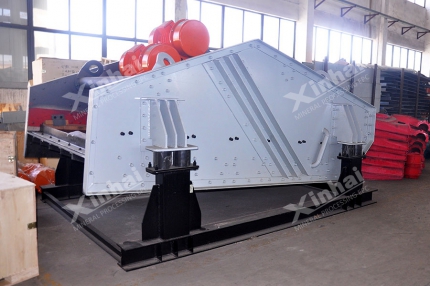
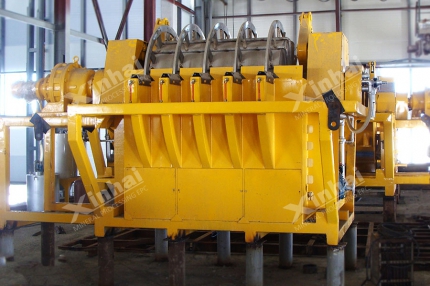
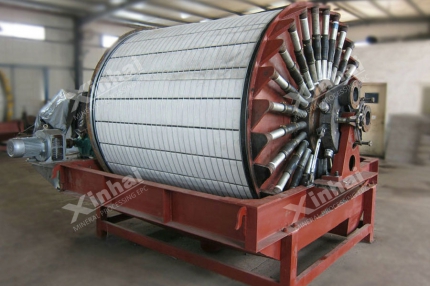
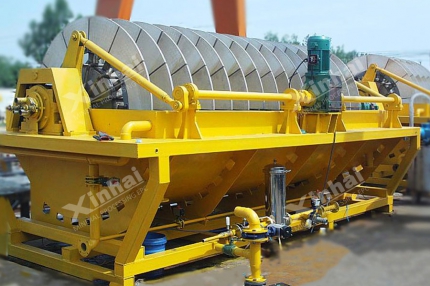
| Dewatering | Thickeners, filter presses | Finer concentrates are harder to dewater |
Grind size control is fundamental. Over-grinding creates slimes that reduce gravity separation efficiency. Under-grinding leaves chromite incompletely liberated. The optimal grind size is ore-specific and must be determined through testwork.
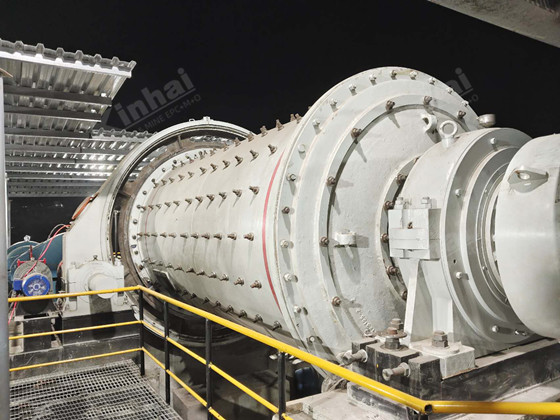
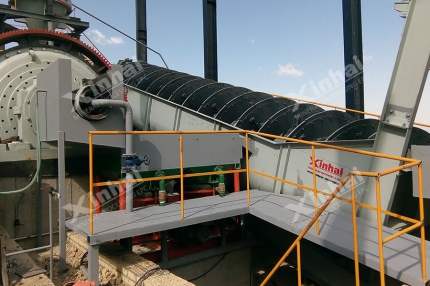
(chrome ore ball mill)
05EPC and Turnkey Chrome Ore Plant Solutions
EPC/Turnkey models provide a single point of responsibility for chrome plant construction, reducing delays, cost overruns, and coordination issues. They transfer key technical, schedule, and quality risks to the contractor, making them particularly suitable for regions like Africa with relatively weak infrastructure and limited local experience, enabling fast modular delivery.
The end-to-end process spans from ore testing and process design to procurement, construction, commissioning, and handover training. Beyond this, Xinhai Mining can also provide an EPC+M+O (Mine Operation & Management) model, which adds long-term technical support or operational management services to the turnkey delivery, creating sustained value for clients.
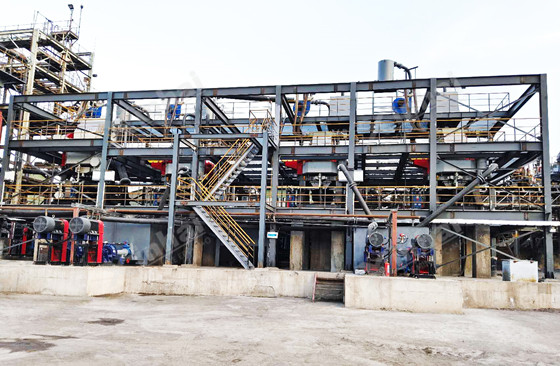
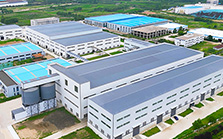
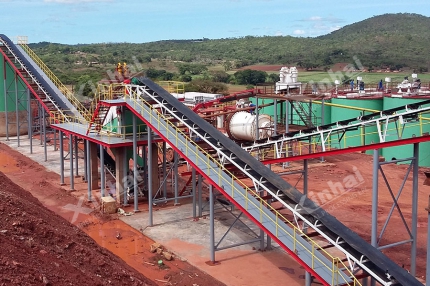
(48M t/a chrome ore processing plant in south Africa)
At the same time, successful project execution still depends heavily on practical experience. Factors such as customs clearance, rainy-season construction, local contractor capabilities, and spare parts supply can all influence the final project outcome.
 marketing@ytxinhai.com
  0086 13810327080





 CHAT
CHAT MESSAGE