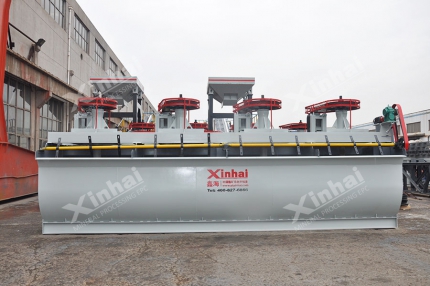
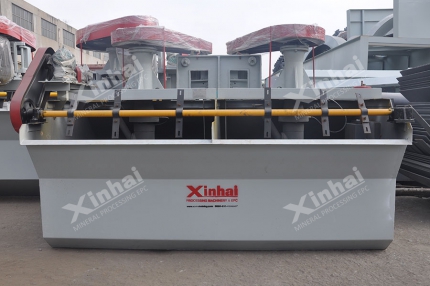
Quartz sand is a vital raw material in modern industry, and its purity is essential for various applications. Conventional physical beneficiation methods struggle to produce high-purity quartz due to impurities and ore slime. As a result, flotation, chemical beneficiation, and microbial beneficiation have emerged as key techniques to enhance quartz sand purity. This article will outline the principles and applications of these methods for quartz processing.
Use the table of contents below to navigate through the guide:
01Flotation of quartz processing technology
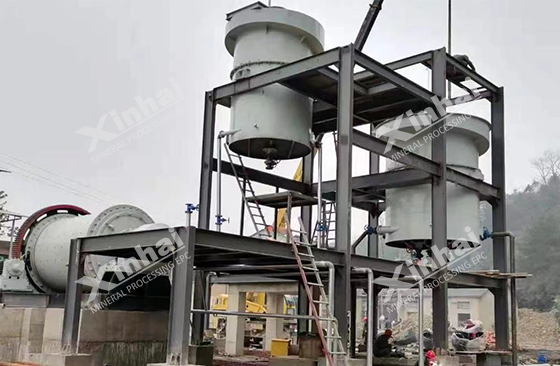
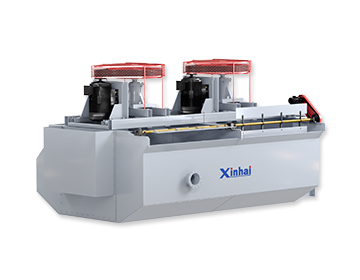
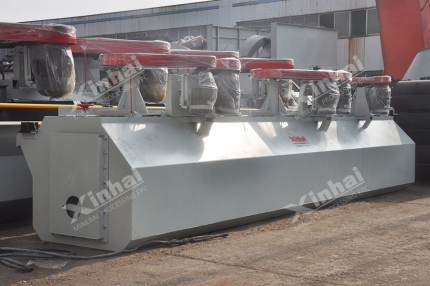
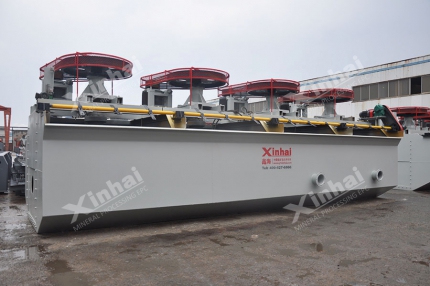
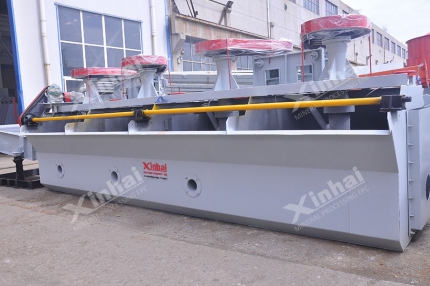
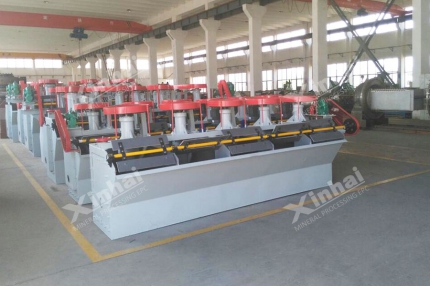
When there are more impurities and ore slime in quartz sand, it is difficult to obtain products that meet the indicators by using traditional quartz processing technologies such as water washing, scrubbing, graded desliming and magnetic separation. Therefore, flotation is needed to further improve the purity of quartz. Flotation can effectively remove iron impurities, feldspar, mica and other non-magnetic associated minerals in the ore. Commonly used flotation reagents include pulp pH adjusters, activators and inhibitors.
Comparison of Quartz Processing Technologies
| Technology | Main Purpose | Typical Impurities Removed | Advantages | Limitations |
|---|
| Flotation | Remove feldspar, mica and iron-bearing minerals | Feldspar, mica, iron minerals | High separation efficiency | Requires careful reagent selection |
| Chemical Beneficiation | Dissolve impurities through acid or alkali leaching | Fe, Al, Ti, Cr | Produces very high-purity quartz | Higher operating cost and chemical consumption |
| Microbial Beneficiation | Bioleaching of surface impurities | Surface iron films and coatings | Environmentally friendly | Longer processing time |
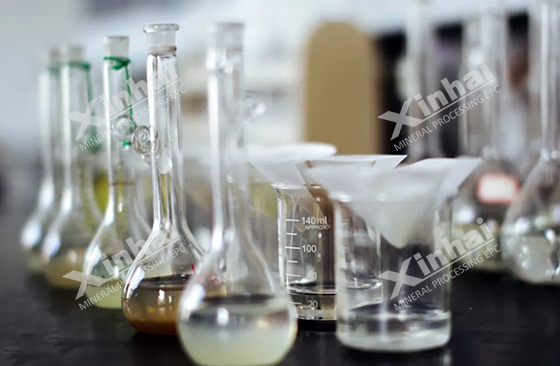
Pulp pH adjusters: sulfuric acid, hydrochloric acid, sodium hydroxide and lime.
Activators: hydrofluoric acid, lime.
Inhibitors: water glass and modified starch.
The research on quartz sand flotation methods at home and abroad is mainly divided into two types: fluorine flotation and fluorine-free flotation.
Fluorine flotation, also known as HF method, the mechanism of action of HF in quartz sand flotation is as follows:
1. HF reacts with aluminum on the surface of quartz sand to form aluminum-fluorine complex, and amine collectors then act on the aluminum-fluorine complex.
2. HF and silicon in it generate fluorosilicate ions, which are then adsorbed on the aluminum particles on the surface to generate negative charge points, and cationic collectors then adsorb them.
3. HF generates low-solubility fluorosilicates on the surface of feldspar, which are deposited on the surface of quartz, making it easier for amine cations to be adsorbed.
4. Quartz is inhibited by HF, and the number of negatively charged silicon particles on the surface is reduced, thereby preventing the adsorption of amines.
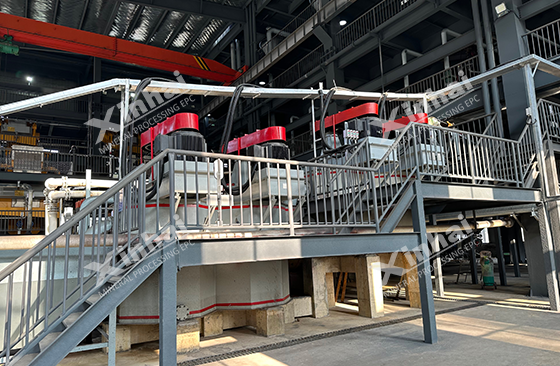
Fluorine-free flotation is divided into fluorine-free acid flotation and fluorless acid-free flotation. The fluorine-free process does not add hydrofluoric acid or fluoride during the flotation process, mainly because fluoride ions are highly destructive to the environment.
In sulfuric acid or hydrochloric acid medium, when the pH value of the slurry is about 2, quartz and feldspar can be successfully separated by using azalkyl propylene diamine and sodium petroleum sulfonate as mixed collectors. This method is also called sulfuric acid flotation method, that is, fluorine-free and acid-free method.
The alkaline flotation method is carried out under the condition of pH value 11-12, using alkaline earth metal ions as activators and alkyl sulfonates as collectors to flotate quartz. Non-ionic surfactants can significantly improve the recovery rate of quartz, but have little effect on feldspar, thereby achieving the separation of the two. In a highly alkaline solution, a hydration film forms on the surface of feldspar, and metal cations cannot be adsorbed on the surface of feldspar, forming a hydrophobic layer.
02Microbial purification technology for quartz processing
Microbial leaching technology is an emerging impurity removal and purification method. It removes film iron or impregnated iron on the surface of quartz sand by oxidative decomposition of impurity minerals through the metabolism of microorganisms. This method uses the natural characteristics of microorganisms to achieve an environmentally friendly and efficient purification process.
03Chemical beneficiation technology for quartz processing
Chemical purification technology mainly includes acid leaching and alkali leaching. The indicators of quartz sand treated by chemical purification are better than those of mechanical and flotation methods, but the cost is higher.
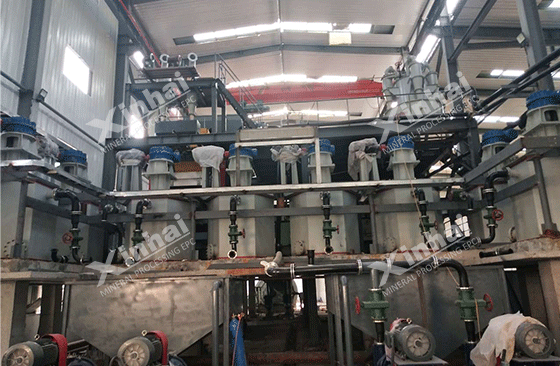
Acid leaching: Since quartz sand is insoluble in most acids (except hydrofluoric acid), other impurity minerals can be dissolved by acid, thus achieving the purpose of purification. Commonly used acids include sulfuric acid, hydrochloric acid, nitric acid and hydrofluoric acid. Experiments show that these acids have good removal effects on iron, aluminum and magnesium in quartz sand. The degree of impurity removal varies with the concentration and composition of the acid. Generally speaking, dilute acid can achieve obvious impurity removal effects (for Fe, Al, Mg), while strictly controlled elements such as Ti and Cr require high concentrations of sulfuric acid, aqua regia or hydrofluoric acid. Since impurities in quartz sand mostly exist in the form of aggregates, mixed acids are often used for acid leaching to achieve a more ideal impurity removal effect through synergistic effects.
Alkali leaching: mainly uses alkaline solutions such as sodium hydroxide and sodium carbonate to decompose fine-grained aluminum silicate minerals to achieve the purpose of purification and impurity reduction. Quartz gravel can be effectively decomposed by heating with sodium hydroxide, and then washed with sulfuric acid solution. The obtained quartz sand product can meet the requirements of quartz tubes for electric light sources, and greatly reduce the generation of waste acid and environmental pollution.
04The Trend Toward HF-Free Quartz Flotation
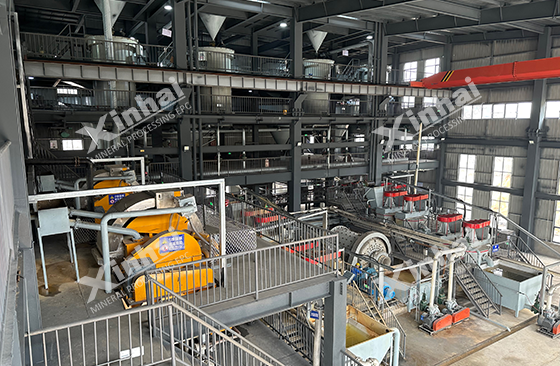
Due to increasingly stringent environmental regulations, many quartz processing plants are replacing conventional hydrofluoric acid (HF) flotation with fluorine-free flotation technologies. Modern collector systems and optimized reagent combinations can achieve efficient quartz purification while reducing environmental impact and improving workplace safety. Recent research has also explored biodegradable collectors and neutral-pH flotation systems as more sustainable alternatives.
In summary, flotation, chemical beneficiation and microbial beneficiation technologies each have their own advantages and scope of application. Under different quartz sand impurity content and purity requirements, choosing the right beneficiation technology is the key. In the future, with the continuous advancement of technology and the improvement of environmental protection requirements, these beneficiation methods will continue to be optimized and innovated to provide more efficient and environmentally friendly solutions for quartz processing.
 marketing@xinhaimining.com
  0086 13810327080




 CHAT
CHAT MESSAGE