Fluorite (CaF₂) and barite (BaSO₄) are both high-value industrial minerals, widely used in fluorochemicals and drilling fluids, respectively. With rising demand for fluorochemicals, improving fluorite recovery from complex ores has become an increasingly important focus for many operations.
In practice, barite is commonly associated with fluorite as a closely intergrown gangue mineral. Their separation during flotation is often one of the key constraints on concentrate grade and overall plant recovery. This article outlines the main separation challenges, compares commonly used fluorite processing solutions, and highlights the key factors that control performance under plant conditions.
Use the table of contents below to navigate through the guide:
01Understanding the Core Challenges
In practice, fluorite–barite separation is difficult mainly due to the following factors:
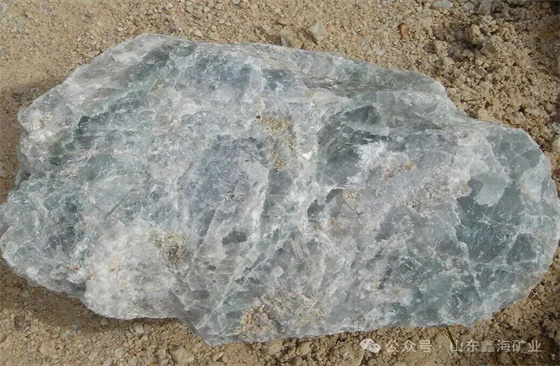
1. Complex mineralogy and incomplete liberation
Fluorite and barite are often finely disseminated and tightly intergrown. Achieving adequate liberation without overgrinding is challenging. Insufficient grinding reduces concentrate grade, while excessive grinding produces slimes that negatively affect flotation selectivity.
2. Similar flotation response under conventional reagent systems
Both minerals are salt-type and show similar behavior in typical fatty-acid-based flotation systems. Although their specific gravities differ, gravity separation is generally ineffective at fine particle sizes. As a result, conventional flotation often produces mixed concentrates that fail to meet product specifications.
02Two Core Flotation Flowsheets: A Comparative Analysis
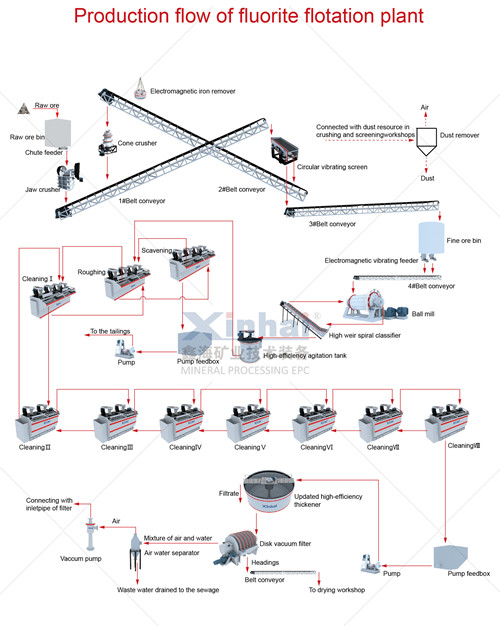
Most operations adopt a bulk flotation followed by selective separation approach. Within this framework, two main strategies are used depending on which mineral is preferentially depressed during the separation stage.
Strategy 1: Preferential Flotation of Barite (Depress Fluorite)
This is the most widely applied approach in industrial practice.
The process typically starts with bulk flotation, producing a mixed concentrate containing both fluorite and barite. In the subsequent separation stage, fluorite is selectively depressed (commonly using sodium silicate or modified depressants), allowing barite to be preferentially floated.
The remaining fluorite can then be recovered through reconditioning and flotation.
In plant operation, this approach offers:
More stable separation performance
Easier process control
Lower sensitivity to feed variation
More predictable reagent consumption
As a result, it is generally considered the more robust and practical option.
Strategy 2: Preferential Flotation of Fluorite (Depress Barite)
In this approach, barite is depressed while fluorite is floated first.
However, in many ores, once fluorite is suppressed or lost in early stages, it is difficult to recover efficiently in subsequent steps. This often leads to lower overall fluorite recovery and less stable operation compared to Strategy 1.
For this reason, this route is typically limited to specific ore types where selectivity can be clearly established through testwork.
03Key Control Factors for Successful Separation
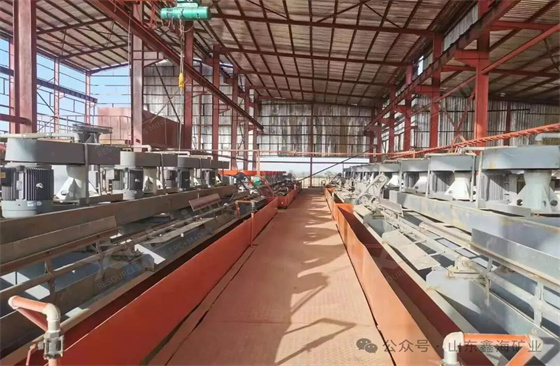
Regardless of the flowsheet selected, separation performance in plant conditions is mainly controlled by the following factors:
Reagent regime: Fatty acid collectors (e.g., oleic acid) are commonly used, but selectivity depends heavily on depressant type and dosage.
Pulp chemistry: pH and ionic composition directly affect reagent adsorption and mineral response.
Grinding size: Liberation must be balanced against slime generation.
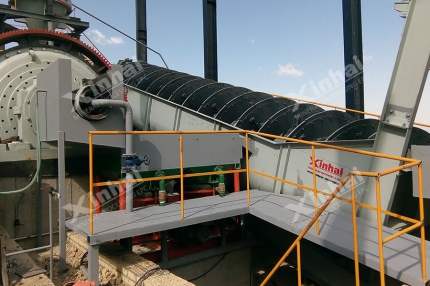
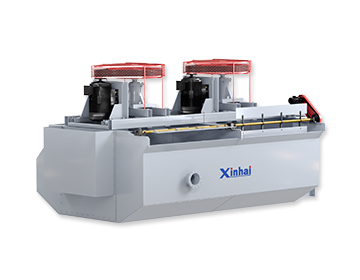
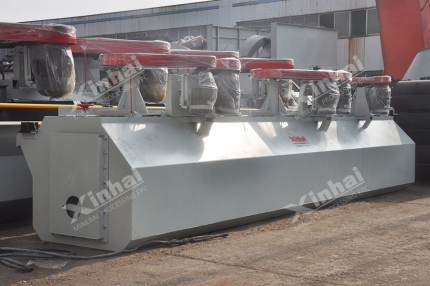
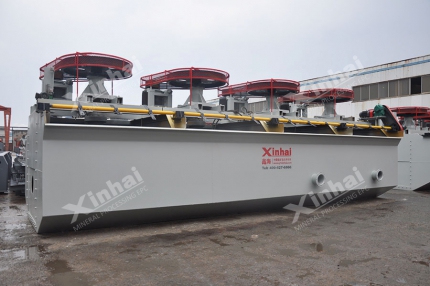
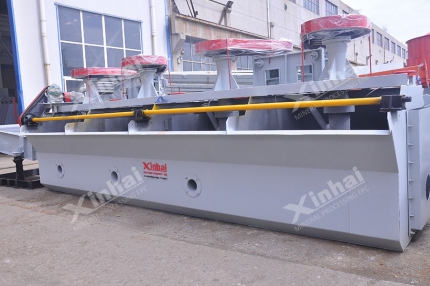
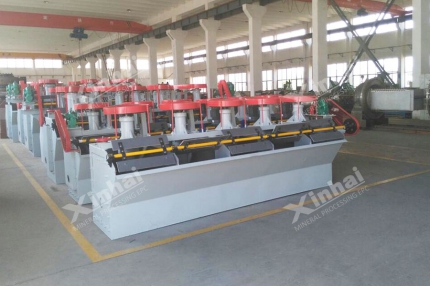
Flotation conditions: Agitation intensity, air dispersion, and bubble size all influence recovery and concentrate grade.
In practice, stable operation depends on maintaining consistency across all of these variables rather than optimizing a single parameter in isolation.
04The Role of Metallurgical Testwork
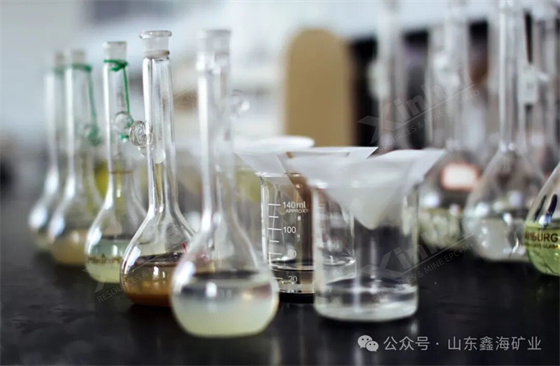
Before selecting or optimizing a flowsheet, systematic metallurgical testwork is essential.
Mineral processing testwork should define:
Mineral composition and association
Liberation characteristics
Particle size distribution
Reagent scheme and operating window
A well-designed testwork program provides the basis for a flowsheet that is both technically viable and operationally stable. It also helps reduce commissioning risk and avoid performance gaps between laboratory results and plant operation.
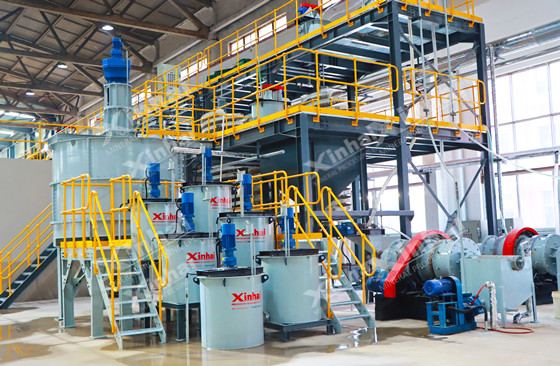
05Project Experience: Xinhai Mining – Selected Non-Metallic Mineral Processing Plants
In practice, the success of any separation strategy depends on execution as much as design. Variations in ore characteristics, operating conditions, and equipment performance can all affect the final outcome.
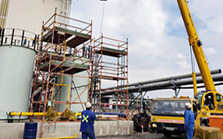
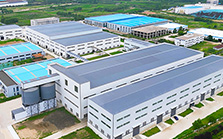
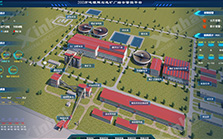
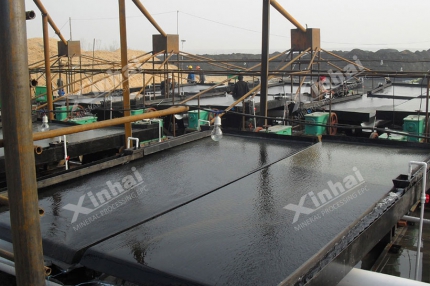
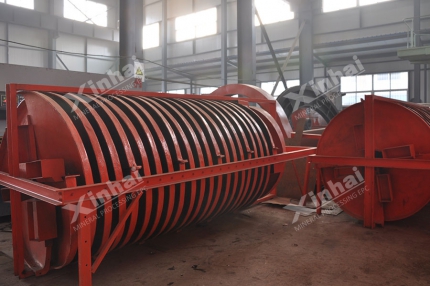
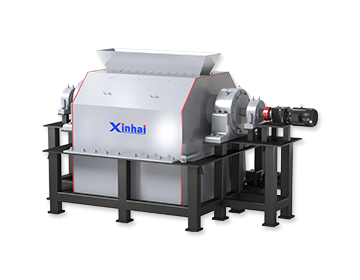
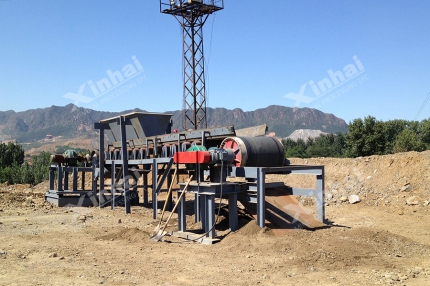
Through its integrated EPC+M+O mineral processing services, Xinhai Mining supports clients across the entire project lifecycle—from metallurgical testing and flowsheet development to engineering, procurement, construction, and plant operation. This ensures that process design is effectively translated into reliable, long-term plant performance.
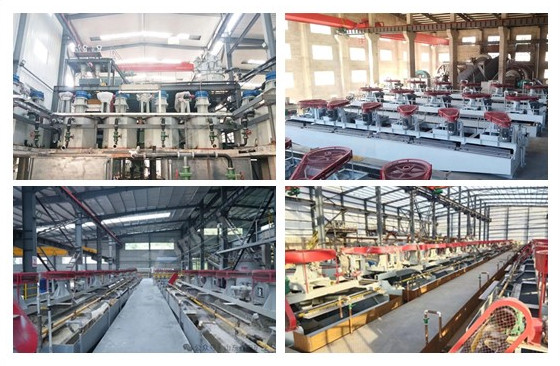
Mongolia: 800 t/d Fluorite Processing Plant
Jiangxi, China: 300 t/d Fluorite Processing Plant
Shanxi, China: 300,000 t/a Quartz Sand Processing Plant
Hubei, China: 900,000 t/a Quartz Sand Processing Plant
Vietnam: 800 t/d Graphite Processing Plant
Heilongjiang, China: 3,000 t/d Graphite Processing Plant
06Conclusions and Recommendations
Fluorite–barite separation remains challenging due to their complex intergrowth and similar flotation behavior.
From an operational perspective, the bulk flotation + preferential barite flotation (Strategy 1) route is generally the more reliable option, offering better stability, easier control, and more consistent metallurgical performance.
Metallurgical testwork is the foundation of any successful separation strategy. Given the variability of ore characteristics, flowsheet selection and parameter design must be based on test data rather than assumptions.
A test-driven approach not only improves recovery and product quality, but also reduces operational risk and supports long-term plant performance.
 marketing@xinhaimining.com
  0086 13810327080




 CHAT
CHAT MESSAGE