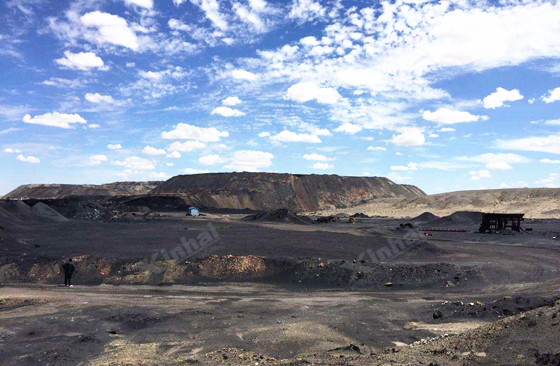
Gold deposits are typically mined using three primary methods: open-pit mining, underground mining, and alluvial (placer) mining, each selected based on orebody conditions such as depth, geometry, and grade. In this guide, we break it down simply: how these gold mining methods fit into the broader context of mineral extraction and resource extraction, when each is used, and what really drives the decision behind them.
By the end, you’ll have a clearer understanding of how different mining operations work and how to match the right method to a specific deposit.
Use the table of contents below to navigate through the guide:
01How to Choose the Right Gold Mining Method (Quick Guide)
This is usually the first real question for anyone involved in a project.
And honestly, there’s no single answer—but there is a pattern.
Below is a simplified selection logic based on orebody conditions:
Orebody Condition | Preferred Method | Alternative Method |
Shallow (<100m), large scale, oxidized ore | Open-pit mining | Heap leaching |
Steep, narrow to medium veins, high grade | Shrinkage stoping, Cut-and-fill | Resuing with fill |
Thick, steep orebody, stable rock | Sublevel stoping | Sublevel caving |
Deep (>500m), high stress, high grade | Cut-and-fill, paste fill | Drift-and-fill |
Large, low-grade, caving allowed | Block caving, sublevel caving | Heap leaching |
Alluvial / river deposits | Dredging, hydraulic mining | Mechanical mining |
Most projects don’t rely on just one method either. During mine development, it’s pretty common to combine approaches—or switch methods as the project goes deeper.
024 Main Gold Mining Methods
In the industry, the main mining methods for gold (and metal mines broadly) can be divided into two major categories: Placer mining and Hard Rock mining. These methods have all been validated through long-term industrial practice and are widely applied and continuously optimized in global gold production.
In global gold production, hard rock mining (especially a combination of open-pit and underground methods) dominates, while placer mining still plays a significant role under specific geological conditions. Next, we will introduce four common gold mining methods used in production.
1. Alluvial Mining
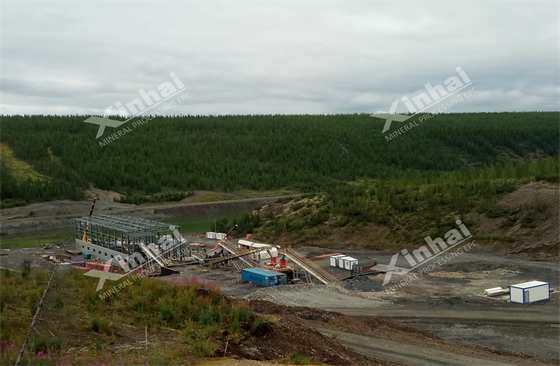
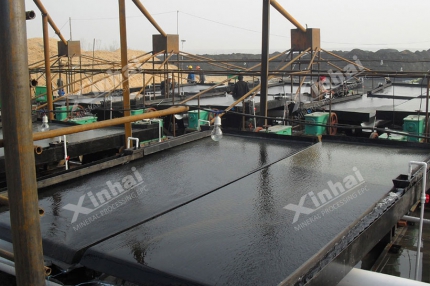
Let’s start with the simplest one. Alluvial mining (or placer mining) deals with gold that’s already been naturally separated from rock and deposited in rivers, floodplains, or ancient channels. Basically, nature has already done part of the work.
Because of that, extraction is relatively straightforward and mostly based on gravity separation.
You’ll typically see:
Small-scale methods like panning or sluicing
The appeal here is obvious:
Lower upfront cost
Faster to start
But there are trade-offs. These operations depend heavily on water, and environmental regulations—especially around hydraulic mining—have become much stricter.
Still, it’s a method that’s been proven for over a century and continues to support certain types of mining operations today.
2. Hard Rock (Lode) Mining
Hard rock mining extracts gold embedded in solid rock formations such as quartz veins or sulfide ores.
This is the primary source of global gold production, and it includes two major approaches:
Surface Mining (Open-Pit Mining)
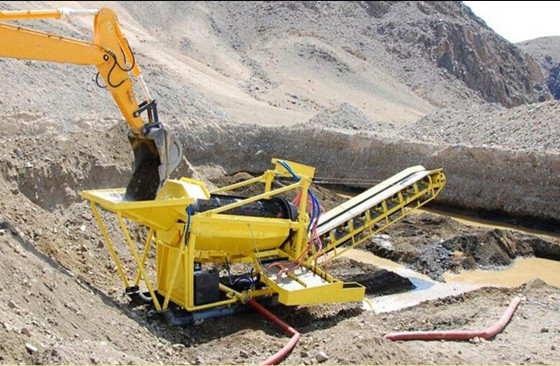
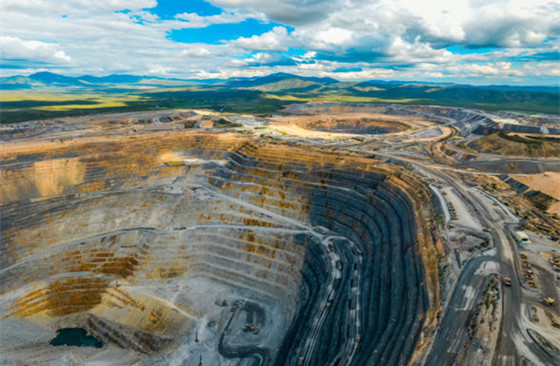
Surface mining, especially open-pit mining, is used when deposits are relatively shallow and large enough to justify removing massive amounts of material.
The process itself is fairly standard:
Drill and blast
Load and haul
Expand the pit over time
In many cases, it’s combined with heap leaching to improve recovery from low-grade ore.
Why is it so widely used?
Lower cost per ton
High production rates
Easier to mechanize
That’s why you see it everywhere—from Nevada to Australia to China.
Actually, even today, open-pit mining combined with heap leaching is still one of the most mainstream surface mining solutions.
Underground Mining
When the ore goes deeper—or gets more complex—underground mining becomes the only real option.
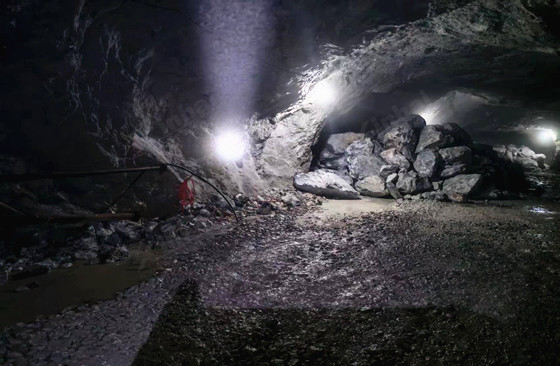
This involves building shafts, tunnels, and access systems to reach the orebody, so naturally, it’s more complex and more expensive.
There are several well-established methods, and which one gets used depends on the geology.
Some of the most common ones include:
Open stoping (like sublevel or longhole stoping) for stable rock
Cut-and-fill mining for high-grade or irregular deposits
Shrinkage stoping for steep, stable orebodies
Caving methods (like block caving) for large, low-grade deposits
Each method has its place.
Cut-and-fill, for example, is great when you need precision and minimal loss—but it costs more.
Caving methods, on the other hand, can be very low-cost once running, but require huge upfront investment.
So yeah, it’s always a trade-off.
3. Other Supporting or Special Methods
There are also a few additional approaches worth mentioning.
By-product mining is a big one—gold is often recovered while mining copper or other metals. In fact, a noticeable portion of global gold output comes from this.
In-situ leaching exists too, though it’s rarely used for gold due to geological limitations.
And then there’s heap leaching—not technically a mining method, but so important that it’s often discussed alongside surface mining because of how much it improves project economics.
03What Determines the Choice of Mining Method?
When it comes down to it, method selection in real mining services and mine development decisions usually depends on a mix of factors:
Geological conditions (depth, shape, stability)
Economics (cost, scale, recovery)
Technology and environmental requirements
Regulations and safety constraints
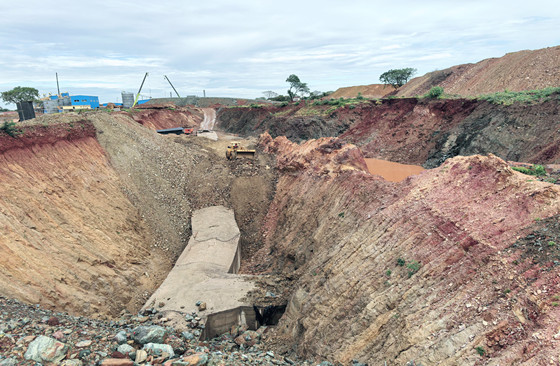
That’s why you’ll often see hybrid approaches—like starting with open-pit mining and then transitioning to underground later.
04Professional Mining Services for Method Selection
Choosing the right mining method is not just a technical issue—it directly impacts project profitability and risk.
Professional mining services typically include:
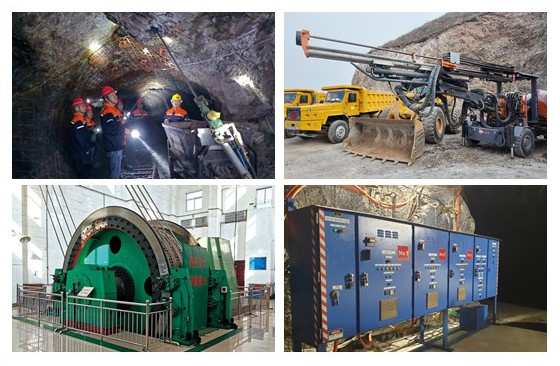
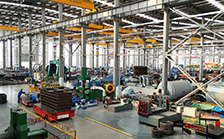
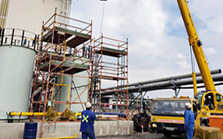
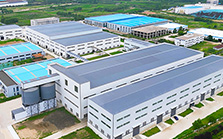
For projects that require a more integrated approach, working with a full-service provider can significantly reduce technical risks and save you a lot of coordination hassle. At Xinhai, we offer comprehensive mining EPC+O services. This covers everything from early-stage research and feasibility studies to engineering design, equipment manufacturing, construction, and long-term mine operation management.
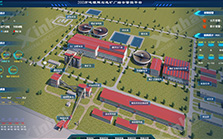
Instead of having to manage multiple contractors, you can rely on one experienced team to handle the entire process — from mineral extraction planning and selecting the right mining method (whether open pit mining or underground mining), to plant construction and production optimization. Everything is managed as one seamless system. What’s more, once the project is up and running, we continue to support your mining operations with professional operation management, technical optimization, and cost control strategies. This helps your mine move quickly from construction into stable and efficient production.
So if you’re not just looking to understand different mining methods, but actually need to move your project forward, having this kind of end-to-end support can make a real difference.
 marketing@xinhaimining.com
  0086 13810327080







 CHAT
CHAT MESSAGE