In 2025, Escondida — the world’s largest copper operation — produced about 1.3 million tonnes of copper, up 16% year on year and reaching a near two-decade high. According to BHP, the increase was driven by higher throughput and improved metallurgical recovery rather than new high-grade additions.
Yet the achievement underscores a structural shift. Escondida’s average concentrator feed grade is expected to trend toward 0.85%–0.90% in 2026, mirroring the broader global decline in copper grades across mature districts.
As ore grades fall and capital and environmental pressures intensify, scale expansion alone cannot sustain value. Processing optimization is increasingly the decisive lever for protecting recovery, cost efficiency, and long-term project economics.
Use the table of contents below to navigate through the guide:
01Copper Process Optimization: The New Core Competitiveness
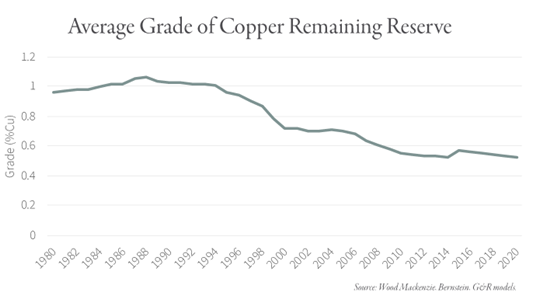
For example, S&P Global reports that average global copper feed grades fell from about 1.5% in 2010 to around 0.6% in 2025. Over the last century, grades have collapsed by nearly 75% from their ~4% peak. The result: producing the same copper volume now requires processing twice as much ore as a decade ago, as shown by the doubling of operating costs at major Chilean mines.
Simultaneously, the industry faces a triad of core challenges:
1. Increasing Ore Complexity: As mines extract deeper deposits, the composition of the ore becomes more complicated, with minerals closely mixed together and altered by geological processes. This makes it harder to efficiently separate copper from the rock.
2. Polymetallic Associations: Copper frequently occurs together with metals such as lead, zinc, and gold within the same ore body. This means processing plants must separate and recover several valuable metals at once—a process called multi-metal recovery.
3. Stricter Environmental Constraints: Regulations now require improved management of tailings (the waste material left after metal extraction) and wastewater. This raises the standards for environmental protection and forces processing plants to upgrade their methods.
Process capability drives sustainable growth. Optimization addresses capacity issues from declining grades and boosts both resource efficiency and environmental standards.
02From Lab to Industrialization: Xinhai’s Closed-Loop System
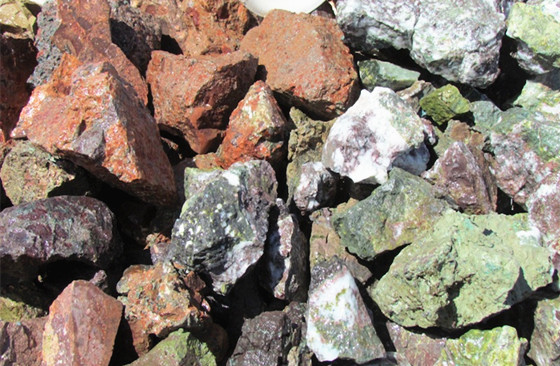
Effective optimization needs a systematic engineering approach, not quick fixes. For Xinhai, optimization starts in the laboratory. Accurate ore characterization forms the foundation for selecting the right scientific design and equipment, avoiding waste.
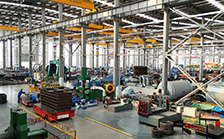
Our CNAS-accredited laboratory and 2,000m² industrial-scale pilot test base, complete over 200 test projects annually across more than 80 ore types. Focusing on copper, we conduct detailed tests including grinding kinetics (how quickly ore can be ground), floatability studies (how well minerals can be separated by flotation—a process where chemicals make copper particles attach to air bubbles and rise for collection), and polymetallic diagnostic analyses (examining how multiple metals are distributed in the ore), to provide strong, data-backed support for process design.
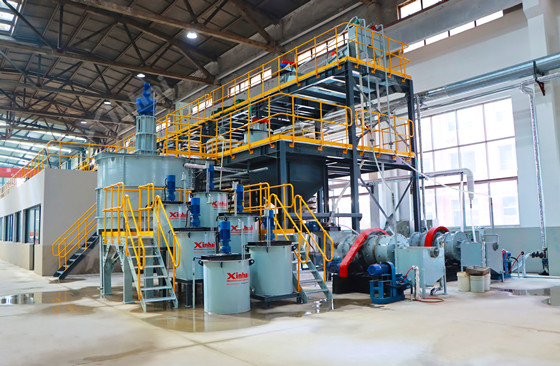
With lab and pilot testing and over 90 annual design projects, Xinhai follows a clear path: Testing, Design, Optimization, and Implementation, tackling low-grade copper through three main capabilities:
(I) Precise Ore Characterization: The Foundation
Optimization starts with understanding the ore’s specific properties and moving beyond empirical design. Through detailed lab testing, Xinhai pinpoints grinding characteristics, floatability, and mineral distribution.
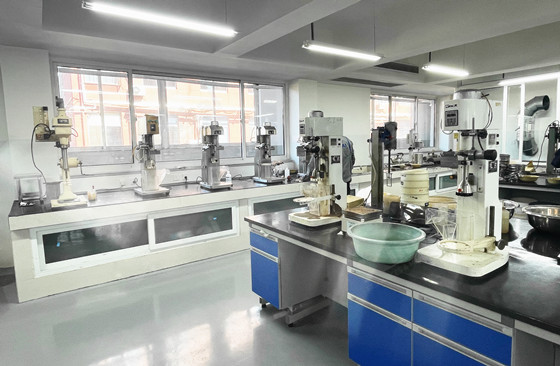
For ores containing several metals, clarifying how the elements are distributed and associated within the rock enables the design of separation processes that recover more valuable metals. For ores with very fine mineral particles, optimizing grinding (crushing the rocks to the right size) ensures that the copper minerals are released from the surrounding material, allowing them to be floated and collected more efficiently.
(II) Holistic Process Design & Flotation Expertise
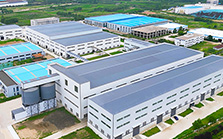
Scientific process design ensures optimization succeeds. Xinhai’s team creates full-flow designs that cover flowsheet development, equipment sizing, cost modeling, and TSF integration. We bring experience from projects such as a 1,500 t/d copper plant in Pakistan and a 4,500 t/m optimization in Chile, where updating reagent regimes and process parameters improved recovery and grade.
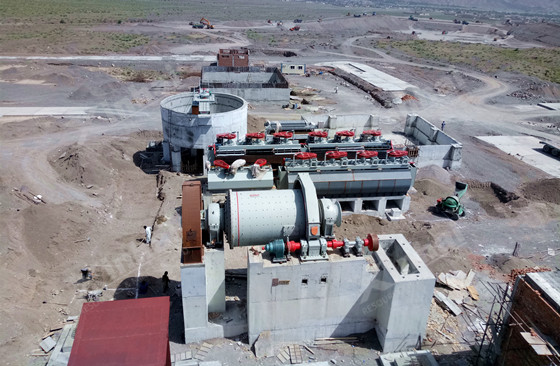
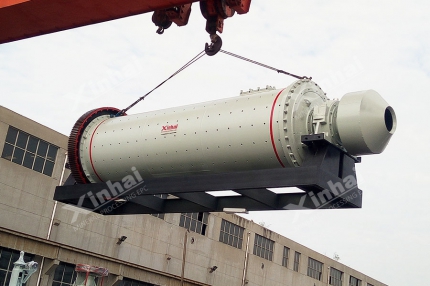
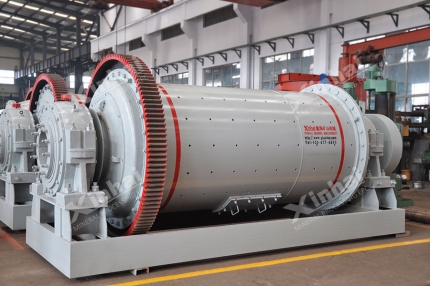
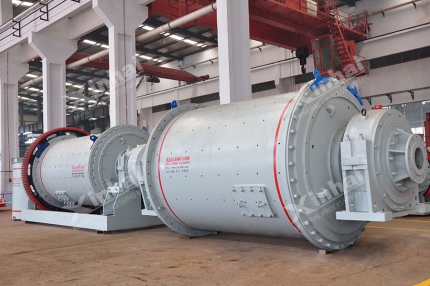
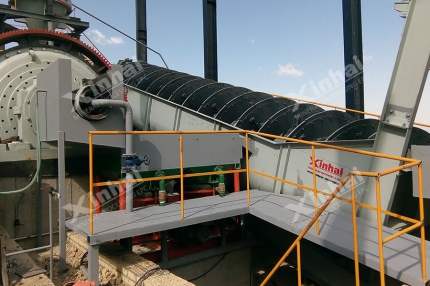
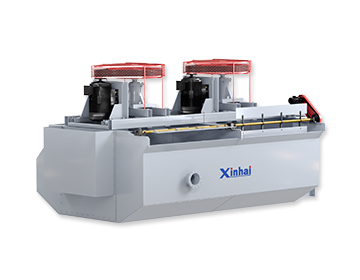
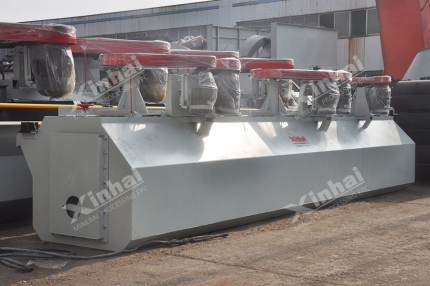
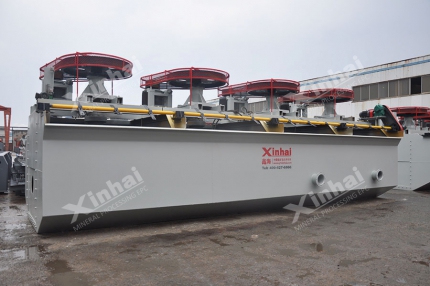
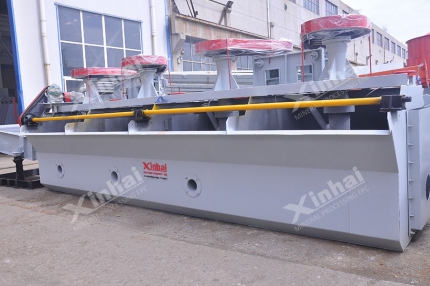
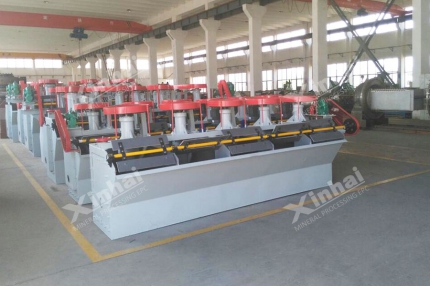
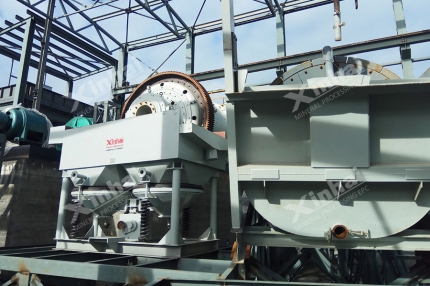
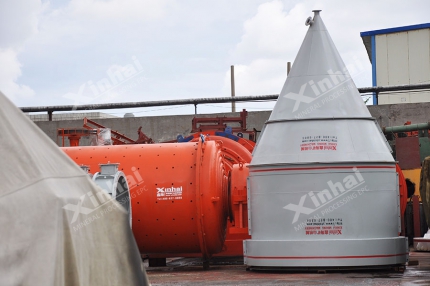
A key case is the 5,000 t/d sulphide copper EPC+M project in Kazakhstan. Metallurgical tests drove the design. Pilot validation shaped the flowsheet and selected large equipment, such as φ7m ball mills and 320 m³ flotation cells. On-site commissioning guaranteed stable operation for complex, low-grade ore.
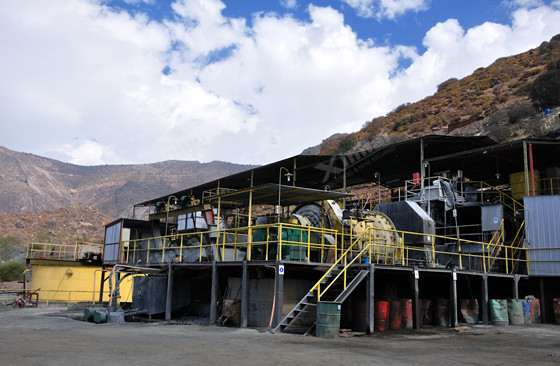
As ore feed grades become more variable, maintaining steady plant operation becomes more valuable than achieving occasional maximum output. Stable processes improve equipment use and reduce energy consumption and costs. Xinhai leverages its in-house automation research and development (R&D) center and intelligent manufacturing facilities to provide integrated smart plant solutions.
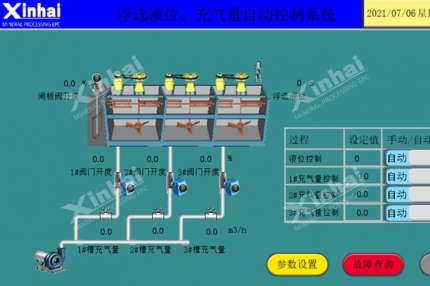
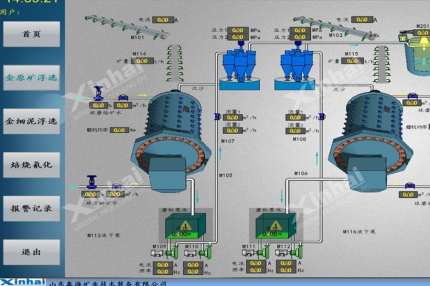
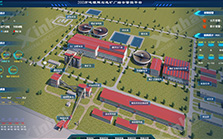
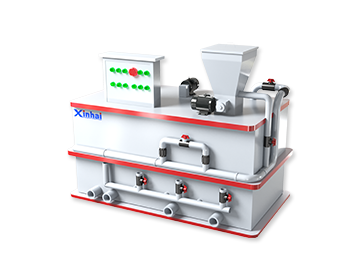
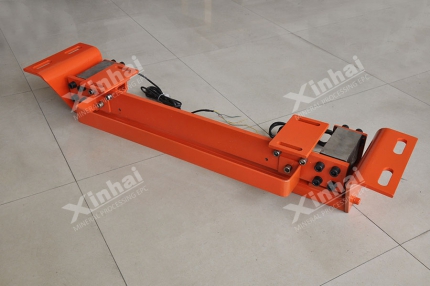
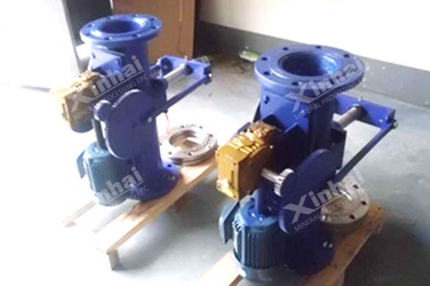
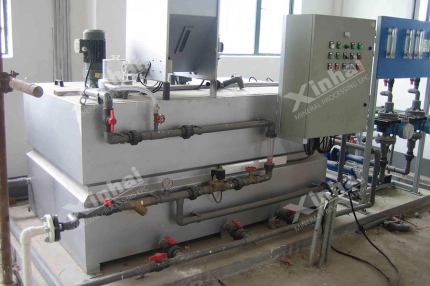
Real-time automation precisely regulates critical parameters (grinding density, reagent dosage, airflow), eliminating human error. Modular design speeds installation, while intelligent monitoring captures anomaly data for early warning, enhancing process stability and enabling efficient processing of low-grade ore.
03EPC+O Model: Continuous Lifecycle Optimization
In a volatile market, just offering EPC services or equipment isn’t enough. Ongoing process optimization and integrating design with operations deliver maximum lifecycle value.
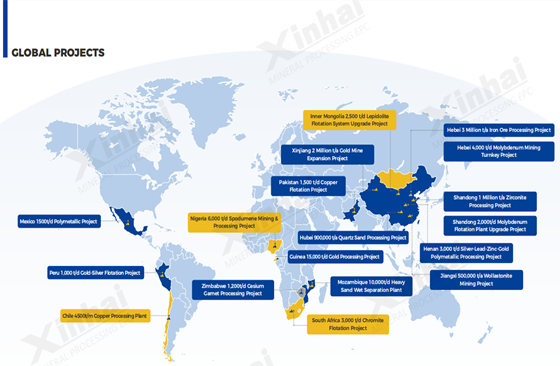
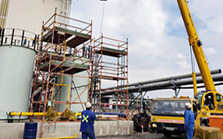
With over 600 EPC+O+M projects, Xinhai’s integrated model ties design intent to real operations. We involve the operations team early to ensure designs are practical and avoid wasted investments. After construction, we manage operations and maintenance, track data, and fine-tune parameters to solve challenges and keep plants running efficiently.
Conclusion
From Escondida’s grade drop to new global projects, the copper industry is changing fast. Growth now comes from technology, not resources. Competitiveness has moved from resource reserves to process capability.
To the global copper industry: seize the opportunity to strengthen your process capability. Partner with Xinhai and unlock the potential of your operations—contact us today to begin optimizing for profitable, sustainable growth in the low-grade era.
 marketing@xinhaimining.com
  0086 13810327080







 CHAT
CHAT MESSAGE