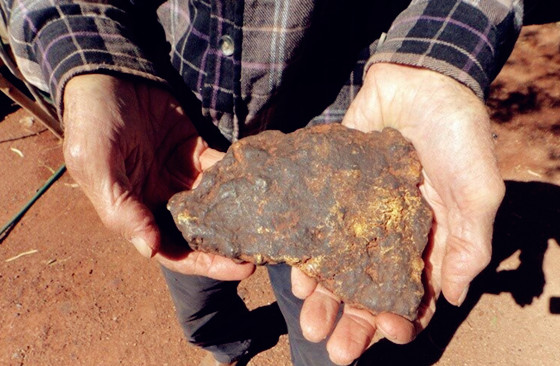
Oxidized gold ores are often labeled as “easy to process,” yet many gold projects run into unexpected recovery losses once operations begin. Variations in gold particle size, clay-rich gangue, and interfering elements such as copper, carbon, arsenic, or manganese can significantly complicate process selection and undermine initial assumptions.
To better understand these challenges, oxidized gold processing routes are generally divided into two core approaches: direct gold recovery and enrichment before recovery.
Use the table of contents below to navigate through the guide:
01Direct Gold Recovery Processes
These processes involve crushing and grinding ore, then sending it directly to leaching without prior concentration by gravity or flotation. The most common examples are various cyanidation techniques.
1. Conventional Cyanidation (CIP / CIL / Heap Leaching)
Applicable Conditions:
Fine gold particles closely associated with gangue.
Well-oxidized gold ore with low clay content.
Low copper and organic carbon levels (high levels increase cyanide consumption and may cause “carbonaceous preg-robbing”).
Medium-to-high grades suit agitated cyanidation; low-to-medium grades are suitable for heap leaching.
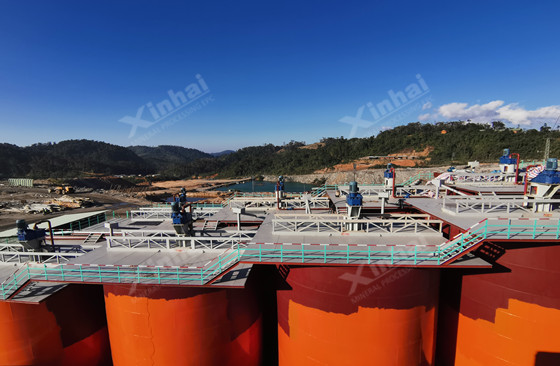
1) Agitated Whole-Ore Cyanidation
Typical Flow:
Crushing → Grinding → (Optional pre-concentration by gravity or flotation) → Agitated cyanidation → CIP or CIL adsorption, or zinc cementation → Smelting of gold mud
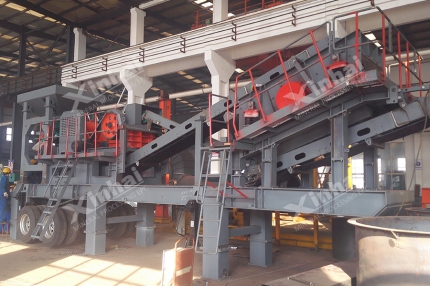
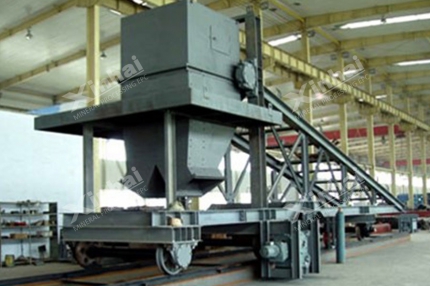
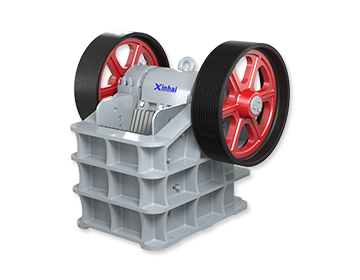
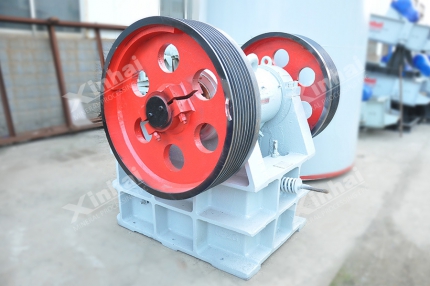
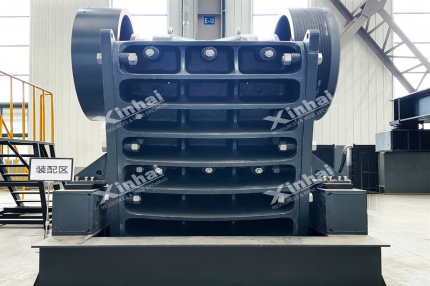
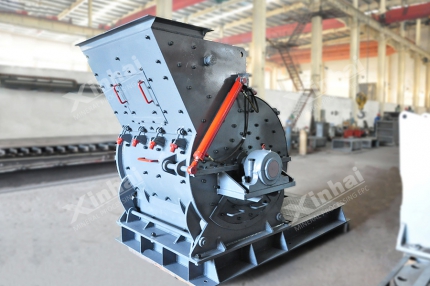
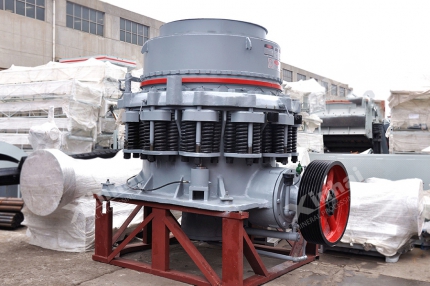
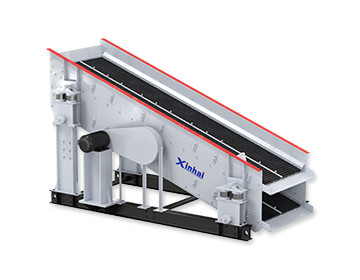
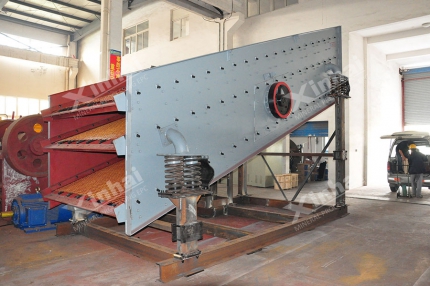
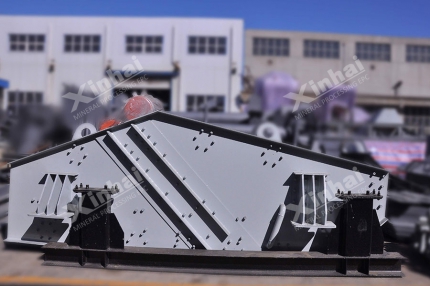
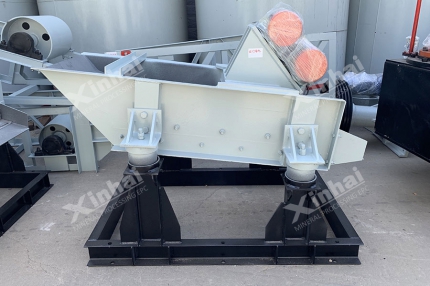
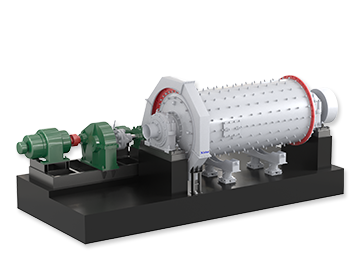
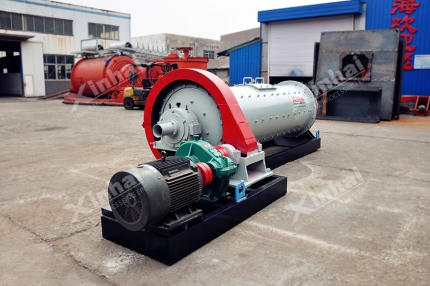
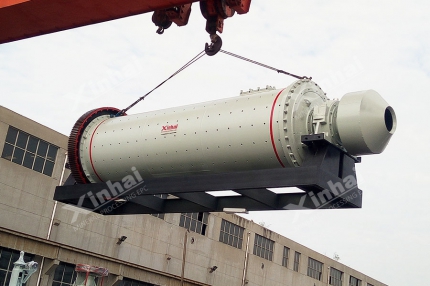
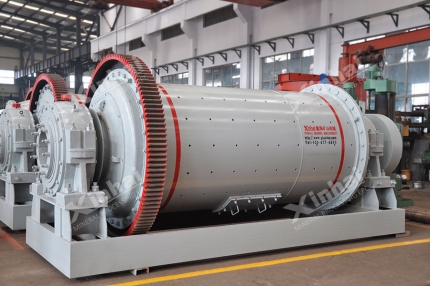
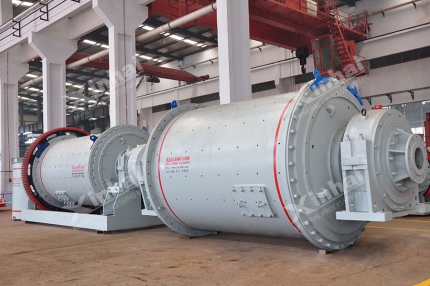
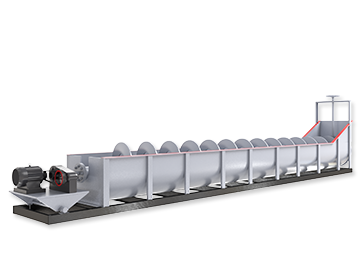
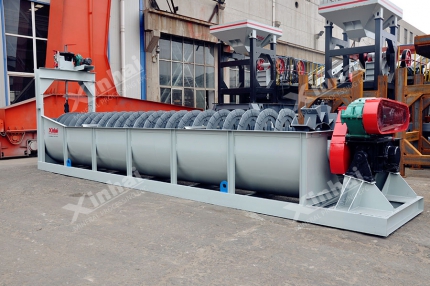
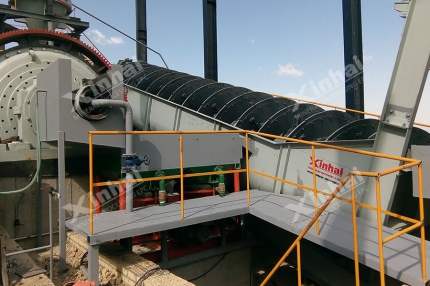
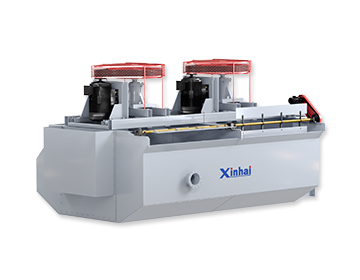
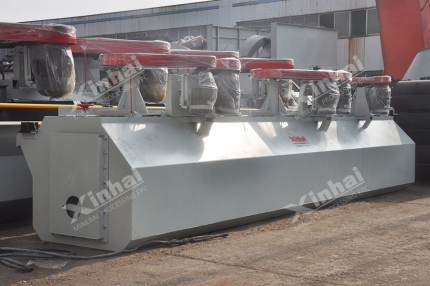
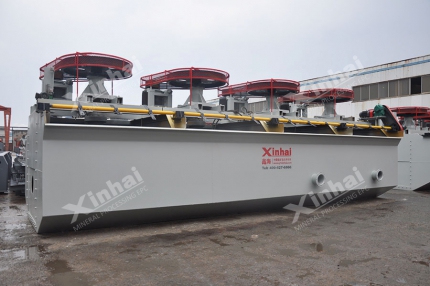
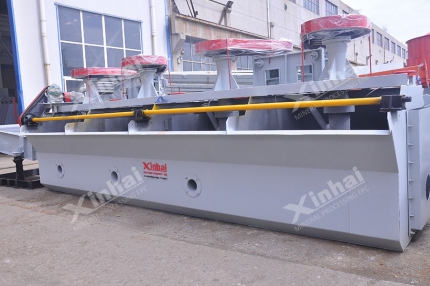
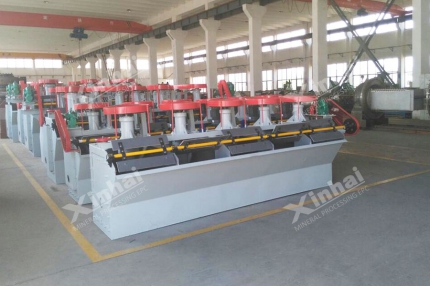
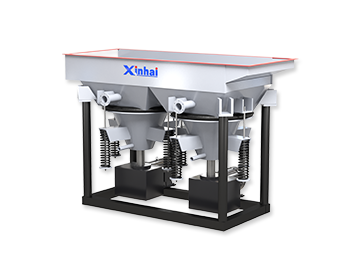
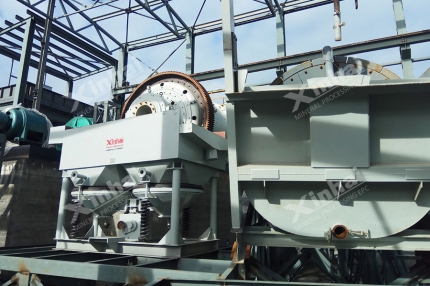
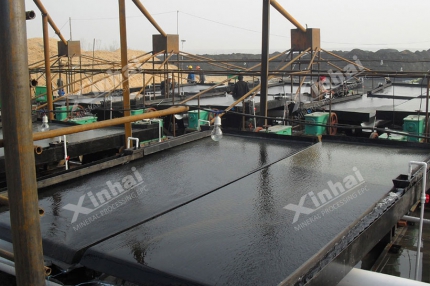
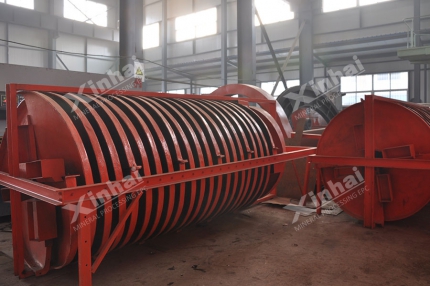
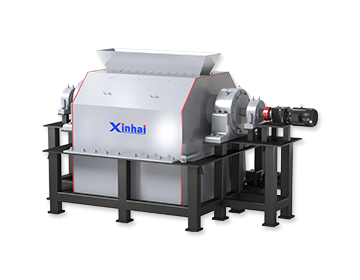
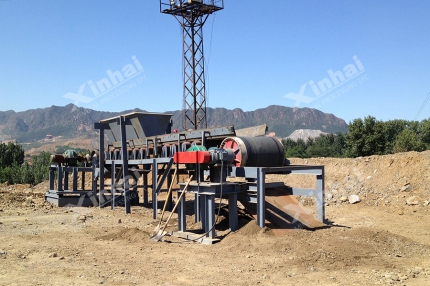
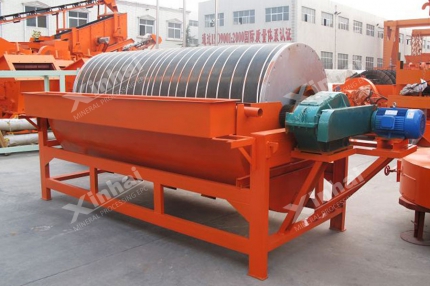
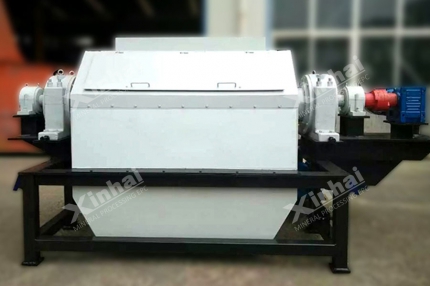
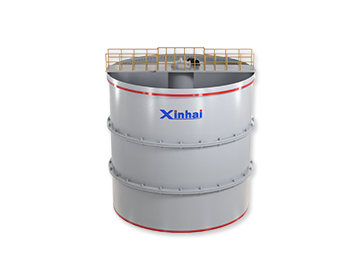
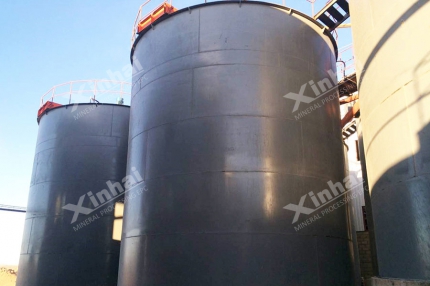
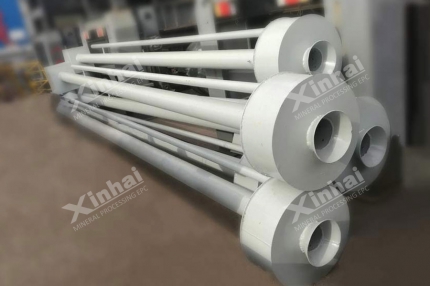
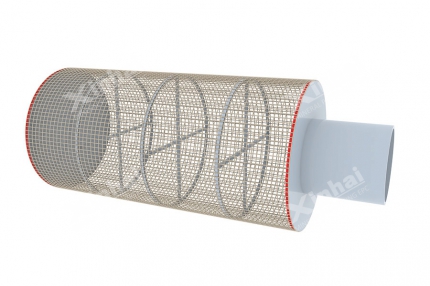
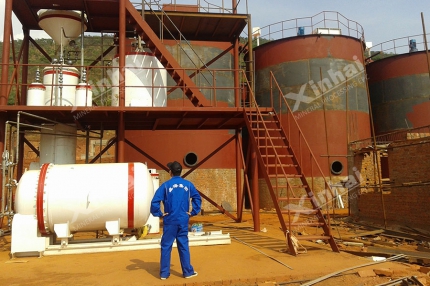
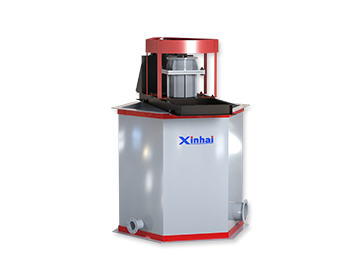
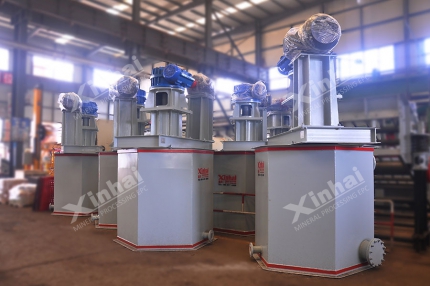
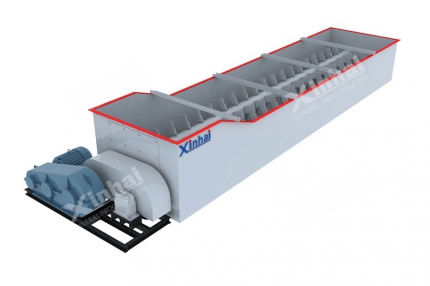
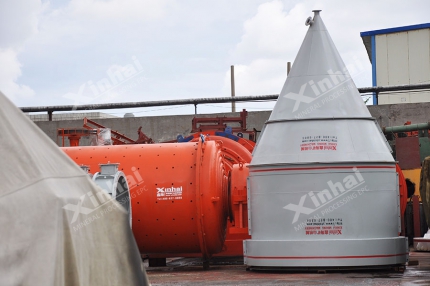
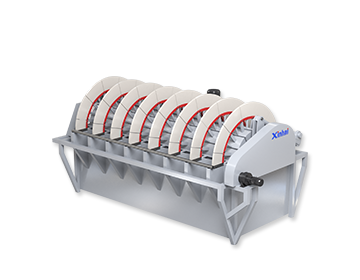
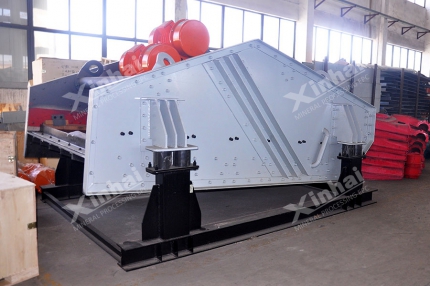
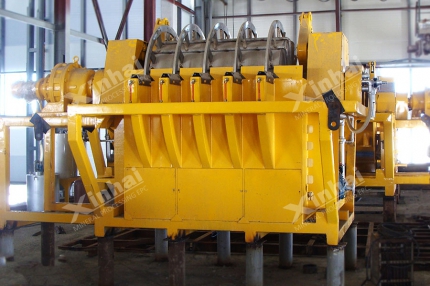
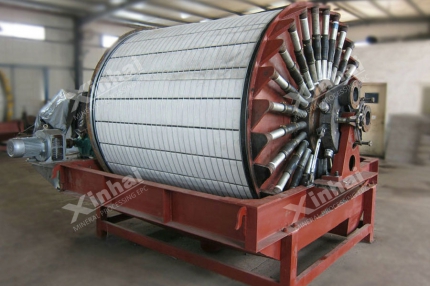
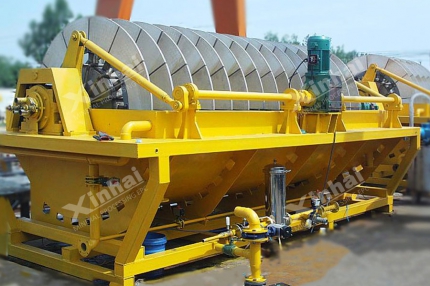
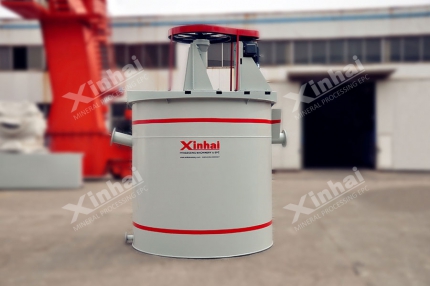
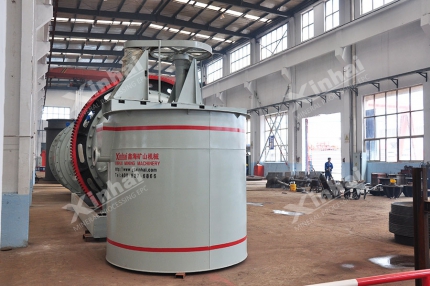
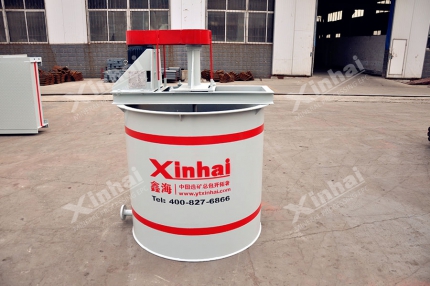
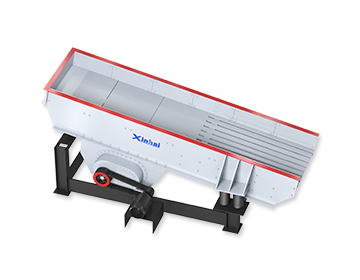
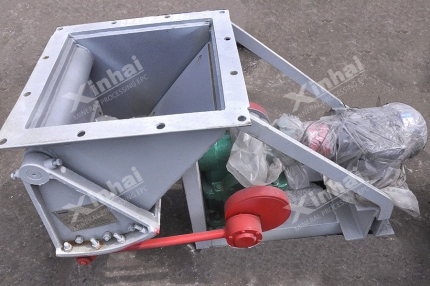
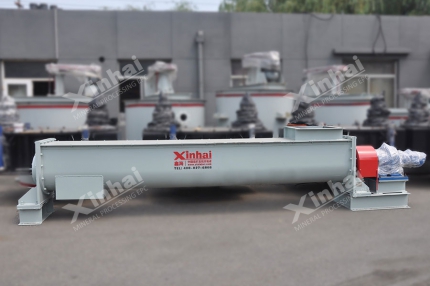
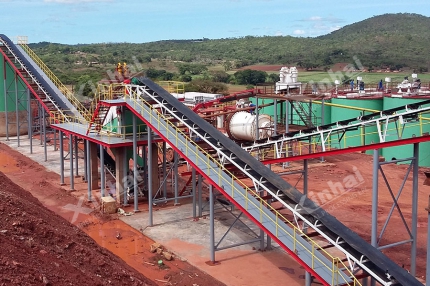
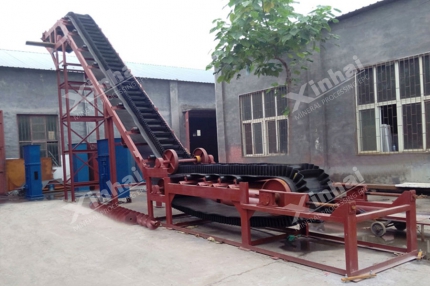
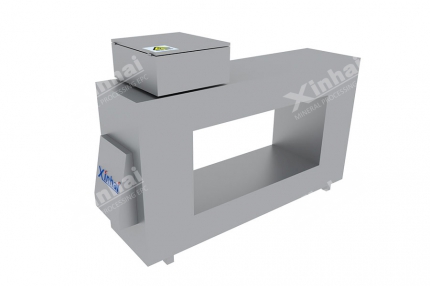
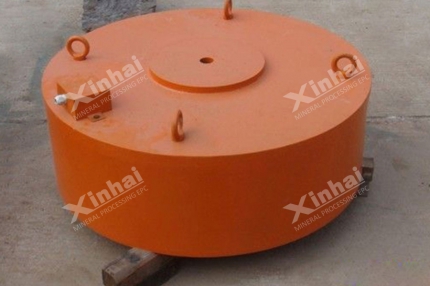
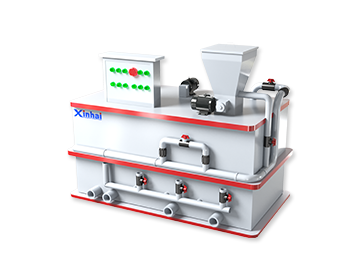
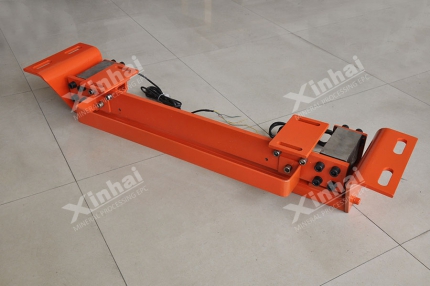
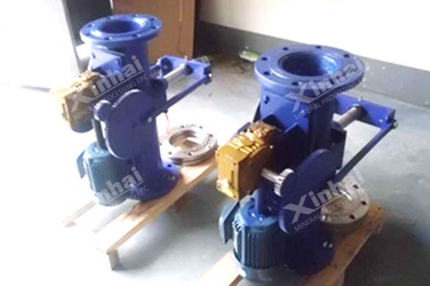
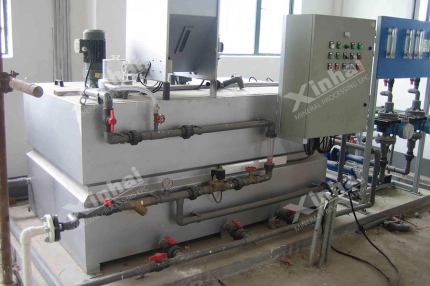
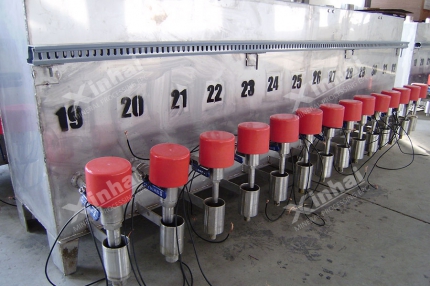
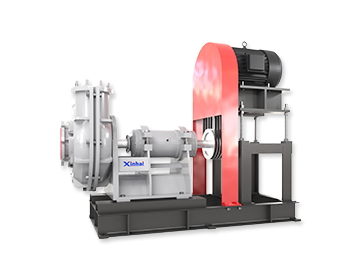
From crushing and grinding to leaching and recovery, each step of oxidized gold ore processing relies on a dedicated gold extraction machine to achieve the desired recovery targets.
CIP: Cyanidation occurs first in a carbon-free slurry, then activated carbon is added to adsorb dissolved gold. Offers flexible control, ideal for retrofitting existing plants.
CIL: Cyanidation and carbon adsorption occur simultaneously in one system, shortening the process and lowering capital costs — suited for new builds.
CIC: Typically used for treating pregnant solution from heap leaching by passing it through columns packed with activated carbon.
Key Points:
Grind size critically affects leaching efficiency; typically target 70–90% passing 0.074 mm.
Cyanide concentration (NaCN or KCN) usually 0.02–0.1%, optimized according to ore consumption.
Maintain sufficient alkalinity (commonly using lime, CaO/Ca(OH)₂) to prevent hydrogen cyanide volatilization and limit dissolution of impurities.
2) Heap Leaching / Pad Leaching
Suitable For:
Low-grade oxidized ores (e.g., < 1–1.5 g/t Au).
Ore lump size 6–25 mm with good permeability.
Terrain and climate permitting long-term open-air leaching under environmental compliance.
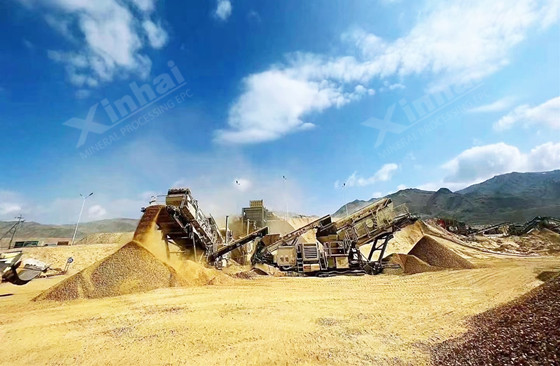
Basic Flow:
Crush to target size → Build leach pad/spread → Spray NaCN solution → Collect pregnant solution → CIC or zinc cementation → Smelting of gold mud
Heap leaching has low capital and operating costs but longer leaching cycles (months to over a year) and lower recovery than agitated cyanidation. It is a primary option for large-scale development of low-grade resources.
02Enrichment-Before-Recovery Integrated Processes
For ores with widely varying gold particle sizes, coarse free gold, or sulfide-hosted gold, pre-concentrating via gravity or flotation before cyanidation reduces cyanide usage and improves economics.
2. Gravity Separation – Cyanidation Combination
Applicable When:
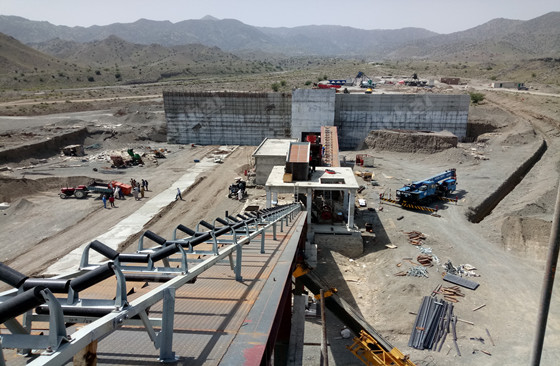
Typical Flow:
Crushing → Grinding → Gravity separation (shaking tables, centrifugal concentrators) → Direct smelting of heavy concentrate or regrind–cyanidation; tailings regrind–cyanidation or flotation
Advantages:
Recovers coarse gold early, reducing material sent to cyanidation.
Cuts cyanide and lime consumption.
Lowers cyanide load in tailings, easing environmental risk.
3. Flotation – Cyanidation Combination
Applicable When:
Oxidized ores still contain sulfide-hosted gold (e.g., pyrite, chalcopyrite).
Gold closely associated with minor sulfides, leading to poor direct cyanidation recovery.
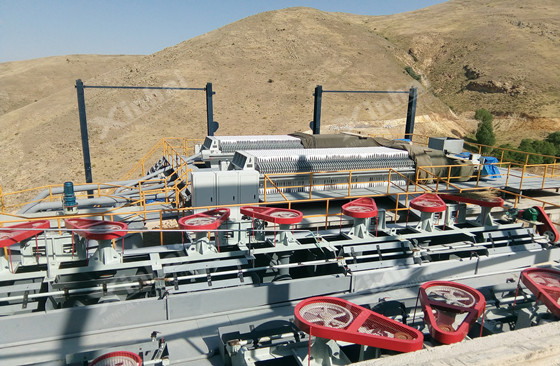
Typical Flow:
Crushing → Grinding → Flotation → Concentrate thickening → Regrind–cyanidation of concentrate → Tailings managed by heap leaching or direct discharge based on residual gold grade
In mixed ores, typical handling includes:
Sulfide gold concentrates: cyanidation, or roasting/pressure oxidation before cyanidation.
Oxidized ore portions or tailings: direct agitated cyanidation or heap leaching.
4. Gravity–Flotation–Cyanidation Combination
Best For:
Complex ores with wide gold particle size range.
Both coarse free gold recoverable by gravity and fine sulfide-associated gold requiring flotation.
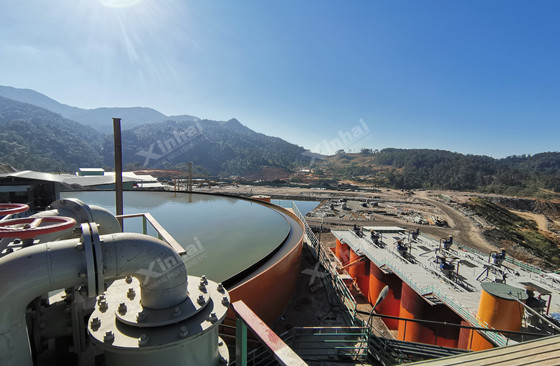
Process Concept:
Coarse grinding followed by gravity separation to recover coarse free gold.
Gravity tailings undergo flotation to capture gold-bearing sulfides.
Gold concentrate is reground and cyanided, or roasted/pressure-oxidized before cyanidation.
Final tailings are either heap-leached or discarded depending on remaining gold grade.
03Pretreatment + Cyanidation for Refractory or Contaminant-Bearing Oxidized Ores
Even within “oxidized” ores, occurrences of carbonaceous matter, high copper, arsenic, or refractory gold carriers require pretreatment before cyanidation.
5. Roasting – Cyanidation
Applicable When:
Flow:
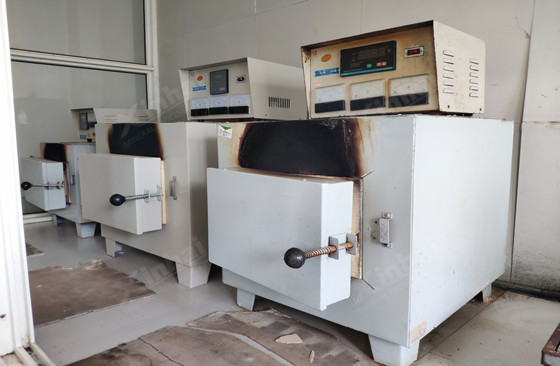
Select gold concentrate → Roast (remove carbon, sulfur, disrupt encapsulation) → Grind calcine → Cyanidation
Roasting greatly enhances gold leachability but raises energy use, SO₂ emissions, and arsenic volatility concerns. Mostly applied to concentrates rather than whole ore.
6. Pressure Oxidation (POX) / Bio-Oxidation (BIOX) – Cyanidation
Applicable When:
Dominantly oxidized ore but containing refractory encapsulated or ultra-fine gold.
Complex arsenic/sulfur ores (e.g., arsenopyrite with fine gold inclusions).
Pressure Oxidation (POX): Uses high temperature and oxygen pressure to decompose gold-bearing minerals, unlocking gold for cyanidation.
Bio-Oxidation (BIOX): Employs iron- and sulfur-oxidizing bacteria under controlled conditions to break down sulfide/arsenide carriers, freeing gold for cyanidation.
Lower capex and opex than roasting, but longer reaction times and strict control of temperature and pH. Widely used for high-arsenic refractory concentrates and applicable to complex portions of oxidized ores.
04Non-Cyanide Gold Extraction Processes
Where cyanide regulations are stringent, some projects adopt alternative lixiviants.
7. Thiosulfate Leaching
Best For:
High-copper oxidized ores; environmentally sensitive areas.
Common system: Na₂S₂O₃ + Cu²⁺ + NH₃.
Currently limited to pilot or niche industrial applications.
8. Chlorination
Applicable To: Small-scale operations; special refractory ores; refinery intermediates (anode slime, gold-bearing scrap).
Fast kinetics and good selectivity, but demands corrosion-resistant equipment and involves high acid/oxidant consumption and complex effluent treatment. Not viable for large-scale mining yet; mainly used in refining/recycling sectors.
05Common Industrial Combinations
1. Low-Grade, Easily Leachable Oxidized Ore:
Crushing → Heap leaching (cyanidation) → CIC → Electrowinning/zinc cementation → Smelting
2. Medium-to-High Grade, Fine-Grained Oxidized Ore
Crushing → Grinding → Whole-ore CIL or CIP → Desorption & electrowinning → Smelting
3. Oxidized–Sulfide Mixed Ore
Gravity–flotation–cyanidation combination; optional roasting or POX for concentrate
4. High Copper or High Carbon Oxidized Ore
Flotation for copper removal or roasting for decarbonization → Cyanidation, or switch to thiosulfate-based systems

Conclusion
If you have ore samples or initial project parameters, feel free to share them. Based on test data, Xinhai can assess the most suitable oxidized gold ore processing route for your operation and provide targeted process flow and equipment configuration recommendations.
 marketing@xinhaimining.com
  0086 13810327080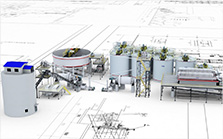



 CHAT
CHAT MESSAGE