Artificial Intelligence is no longer just transforming the digital world—it is rapidly reshaping the physical foundation of the global economy.
For the mining industry, this signals a fundamental shift: from a traditional cyclical commodity supplier to a strategic enabler of AI infrastructure.
We are no longer witnessing a simple recovery in demand, but a structural and long-term resource pull. The physical systems that support AI computing—data centers, semiconductor manufacturing, high-voltage transmission networks, and energy storage—are driving unprecedented consumption of critical minerals such as copper, lithium, gallium, germanium, and rare earth elements.
Industry forecasts suggest that global data center power consumption will approach 500 TWh by early 2026 and exceed 900 TWh by 2030—highlighting the scale and immediacy of this transformation.
Use the table of contents below to navigate through the guide:
01How AI Is Driving Structural Demand for Minerals
The AI value chain is directly translating into demand across multiple critical mineral categories:
Category | Core Minerals | Key Uses in AI | Geopolitical Supply Dynamics |
Compute & Power | Copper | Server liquid cooling, high-voltage transmission | Chile/Peru dominated, widening supply gap |
| Aluminum | Data center racks, structural components | China capacity constrained, high overseas energy costs |
Semiconductors & Chips | Silicon | AI chip substrates | Widespread deposits, but refining highly concentrated |
| Gallium | GaN chips for efficiency | China controls >90% of supply |
| Germanium | Optical modules, sensing | China-dominated, export controls |
| Indium | High-end optics and sensors | China controls >80% |
| Tungsten | Lithography & thermal materials | China-dominated, quota-controlled |
Energy Storage | Lithium | Backup systems, robotics batteries | South America dominant, Australia secondary |
| Cobalt | Battery stabilization | DRC supplies ~76% |
Precision & Drive | Rare Earths | Permanent magnets, robotics | China controls ~94% refining capacity |
| Tin | Chip packaging, HBM soldering | Supply constrained |
This structure highlights a critical reality: AI-driven demand is not concentrated in a single mineral, but distributed across a deeply interconnected supply chain—amplifying systemic supply risks.
02Key Trends Reshaping the Mining Industry
Copper: The Arteries Powering the AI Economy
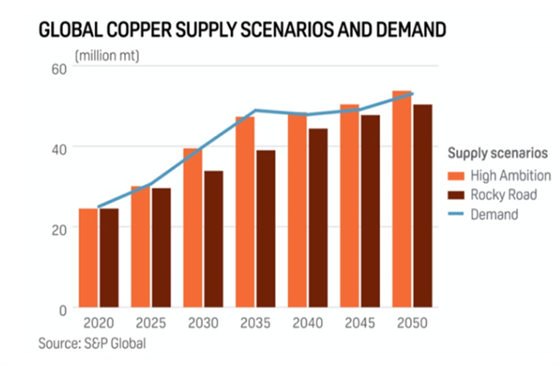
As the core material for power transmission, cooling systems, and data infrastructure, copper demand is accelerating rapidly. A single large-scale AI data center cluster can consume thousands of tons of copper.
Global demand is projected to rise from 28 million tons in 2025 to 42 million tons by 2040, with AI emerging as a primary growth driver.
Battery Metals: From Cyclical to Strategic Assets
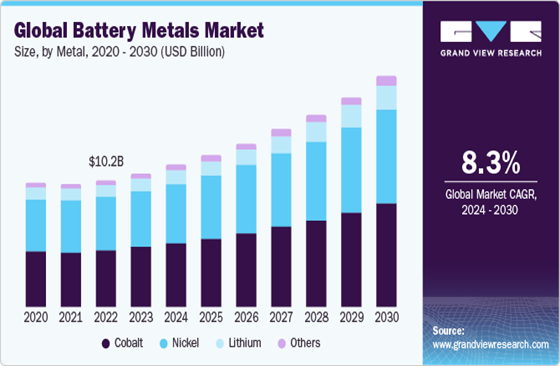
Lithium, nickel, and cobalt are transitioning from cyclical commodities to strategic resources, driven by explosive growth in energy storage demand.
Global stationary energy storage battery shipments surged by 50% in 2025, and persistent supply-demand imbalances are expected to sustain long-term price premiums.
Semiconductor Materials: The Hidden Bottleneck of AI Expansion
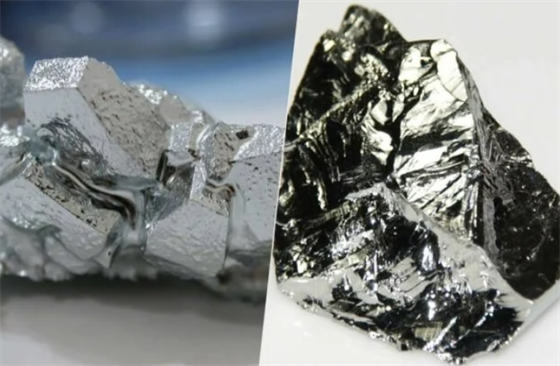
Gallium and germanium play essential roles in AI chips and high-speed optical communication systems.
With supply chains highly concentrated and subject to export controls, these materials have become critical constraints on the scalability and cost of global AI deployment.
03Supply Constraints: A Structural Mismatch
The accelerating demand for AI infrastructure is now colliding with the structural limitations of mineral supply, creating three major challenges:
Declining Resource Quality
High-grade, easily accessible deposits are being depleted. Since 2000, average copper ore grades have declined by approximately 44%, pushing the industry toward lower-grade, deeper, and more complex resources—significantly increasing extraction costs.
Geopolitical Supply Risks
In many critical minerals, supply is highly concentrated. China dominates 70%–90% of global production in gallium, germanium, and rare earths.
Geopolitical tensions and export controls are increasingly influencing global pricing and supply security.
Supply Rigidity
New copper projects typically require 15–17 years to develop.
Global supply is expected to reach only around 27 million tons before 2030—far below projected demand. According to S&P Global, the market could face a 10-million-ton copper shortfall by 2040 without major technological or investment breakthroughs.
In addition, by-product minerals such as gallium and indium cannot be independently scaled, resulting in extremely low supply elasticity.
This signals the end of the high-grade resource era and the beginning of a new phase defined by low-grade development and resource diversification.
04Future of Mining: From Extraction to Enablement
The AI era is reshaping mining into a more technology-driven and service-oriented industry, with five major trends emerging:
Resource Strategization
Critical minerals are increasingly incorporated into national security frameworks and supply chain policies.
Normalization of Low-Grade Development
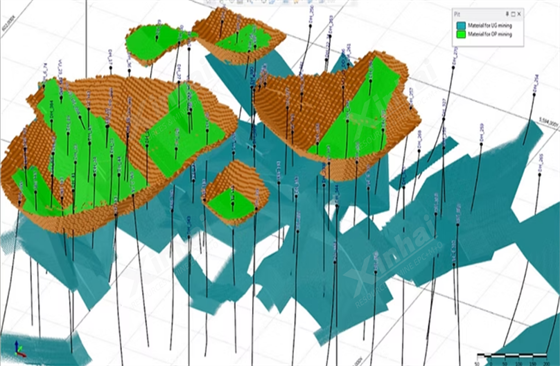
Advances in processing technologies are making marginal resources economically viable, including improved tailings recovery.
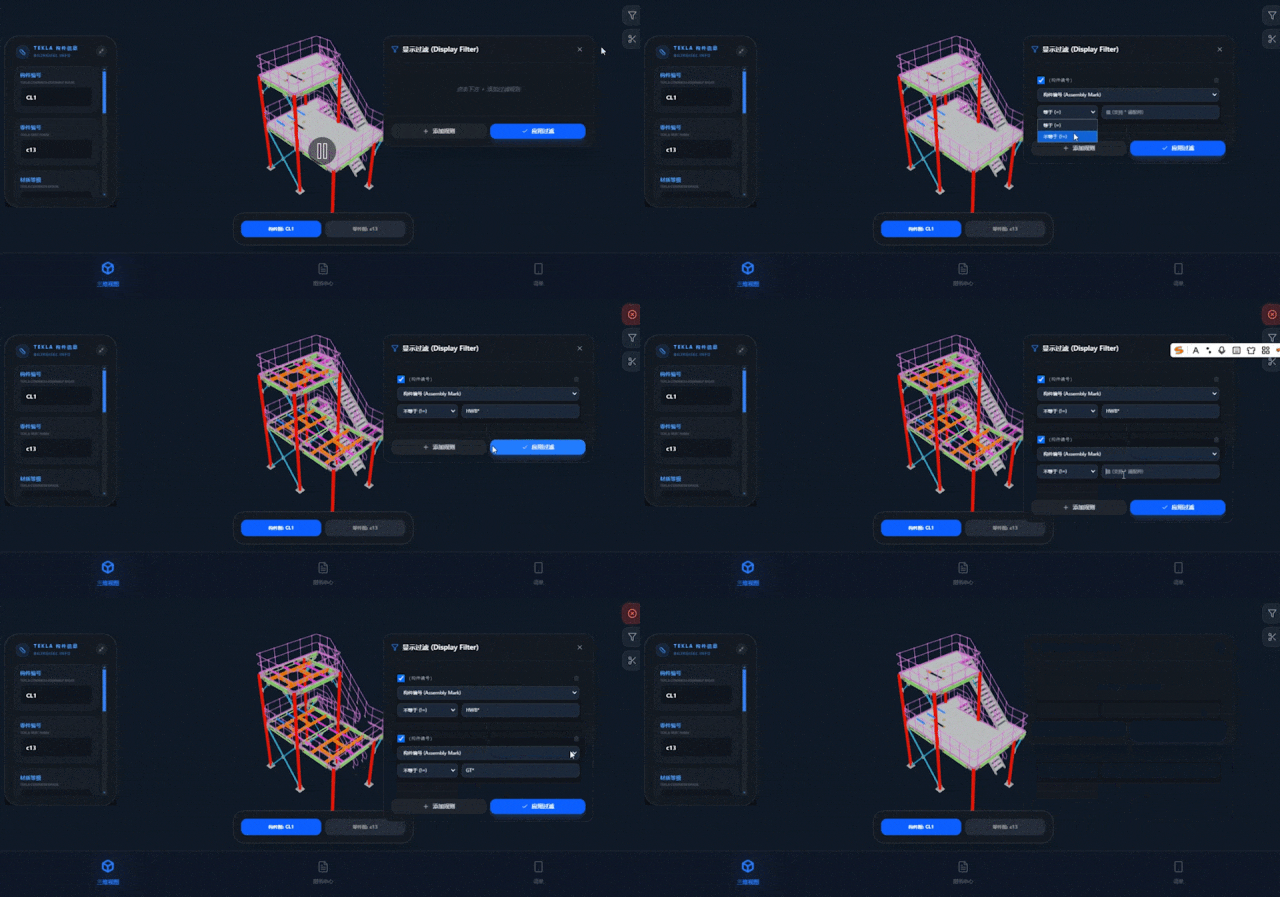
Mine Digitalization
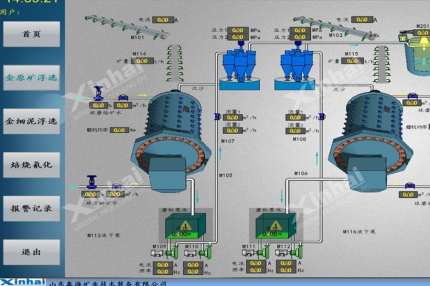
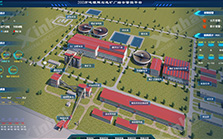
By 2026, over 60% of mining companies are expected to deploy AI-driven exploration and digital twin technologies, potentially increasing exploration success rates and improving operational efficiency by 10–30%.
The Green Mandate
Low-carbon technologies and full lifecycle carbon tracking are becoming essential requirements for project approval.
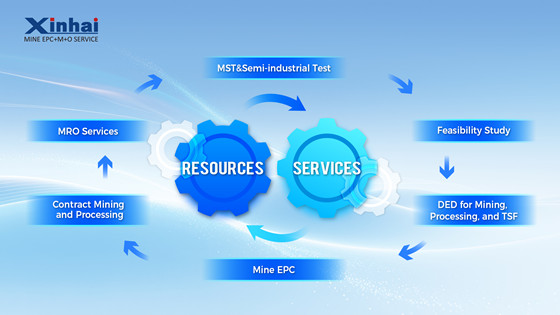
Full Lifecycle Services
Mining companies are expanding beyond extraction toward integrated “exploration–processing–operation–recycling” solutions.
05Strategic Responses for Mining Companies
1. Securing Critical Resources
The window to acquire high-quality copper, lithium, and rare earth assets is narrowing to the next 3–5 years.
Companies must act quickly through joint ventures, strategic investments, and long-term offtake agreements.
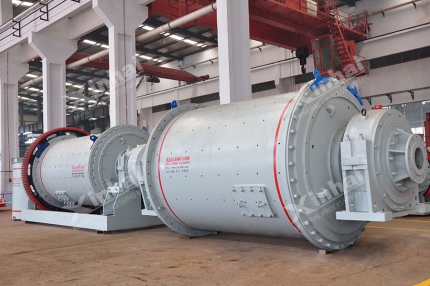
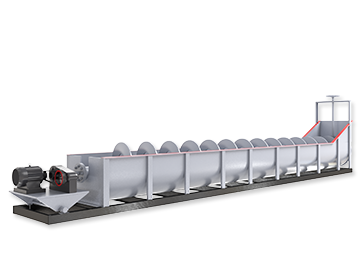
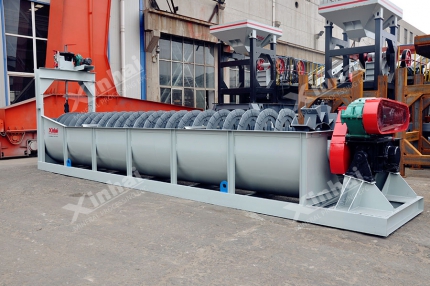
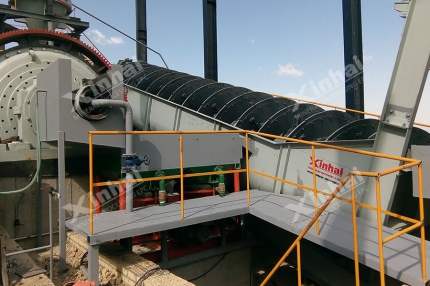
2. Strengthening Mineral Processing Capabilities
In the low-grade era, mineral processing becomes the core competitive advantage.
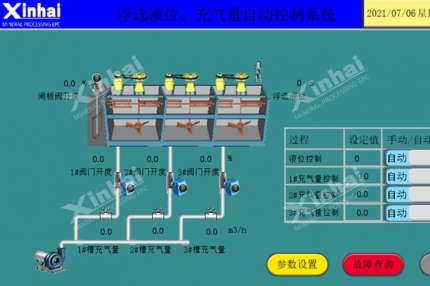
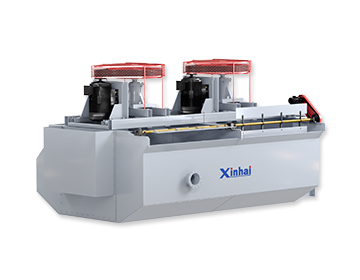
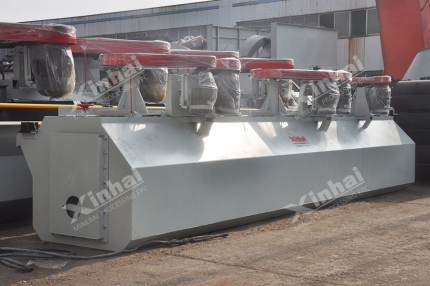
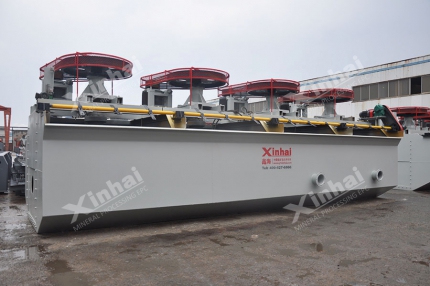
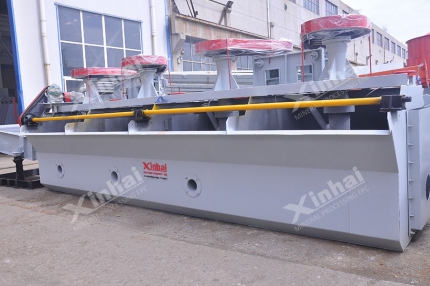
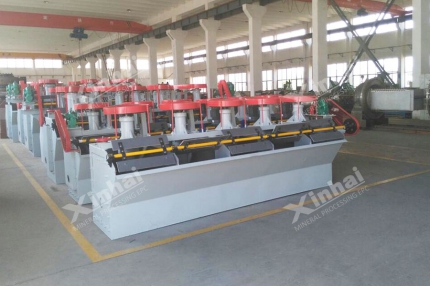
Even a 5% improvement in recovery rates can significantly enhance project economics. Investment in advanced technologies—such as AI-assisted flotation and by-product recovery—will be essential.

3. Transitioning to Integrated Service Models
Future competition in mining will extend beyond resource ownership to technology integration and service capability.
The shift from selling raw materials to delivering full lifecycle solutions will be key to reducing volatility and creating long-term value.
This transition is already underway. Leading service providers are moving beyond traditional engineering roles toward integrated models.

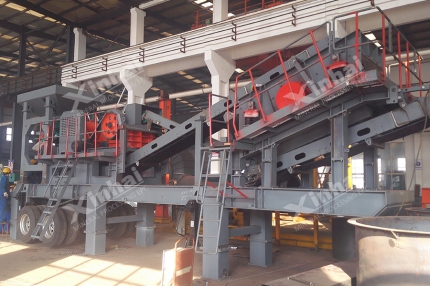
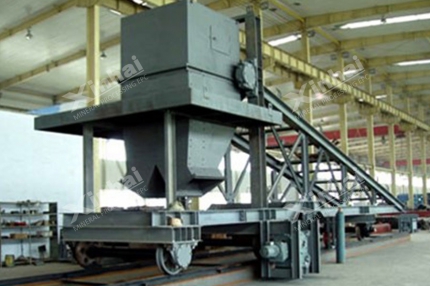
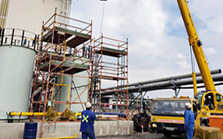
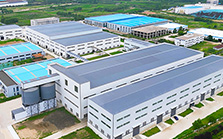
Companies such as Xinhai Mining have developed full-industry-chain service capabilities (EPC+M+O), combining mineral processing expertise, digital systems, and operational management across more than 70 ore types worldwide.
Such “technology + service” models are increasingly aligned with the future direction of the industry, where value is created not only through resources, but through the ability to optimize and operate them.
Conclusion
AI is not simply another demand cycle—it is fundamentally redefining the strategic role of mining in the global economy.
In the AI era, minerals are no longer just commodities—they are infrastructure.
Over the next decade, the most competitive mining companies will not only be those with access to resources, but those with the technological capability, service integration, and strategic vision to lead this transformation.
 marketing@xinhaimining.com
  0086 13810327080









 CHAT
CHAT MESSAGE