Mining companies are at a crossroads due to declining ore grades and rising ESG compliance costs. They must decide whether to invest in new greenfield or brownfield developments or to reprocess existing tailings. This decision involves complex trade-offs in geology, metallurgy, and environmental science. In this guide, we explain how we compare tailings reprocessing vs. new mine development during the early project evaluation stage, and what mine owners should investigate before committing significant capital.
Use the table of contents below to navigate through the guide:
01Tailings Reprocessing vs. New Mine Development: The Basic Difference
The two routes solve different problems.
Tailings reprocessing treats material that has already been mined and processed. The objective is to recover valuable minerals that remain in historical or current tailings because of the limitations of previous processing technology, incomplete liberation, or changes in commodity prices.
New mine development, by contrast, requires extracting ore from an undeveloped or newly defined orebody. It generally involves mining infrastructure, ore handling, mineral processing, waste management, and potentially new power, water, and transportation facilities.
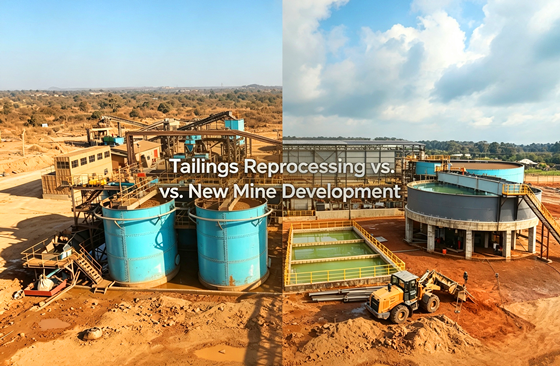
1. Tailings Reprocessing: When Does It Make Sense?
★Resource and Site Conditions
Tailings reprocessing becomes attractive where large, well-defined deposits hold sufficient residual grades—especially when historical recovery was low and modern techniques can unlock additional value. Existing infrastructure (roads, power, water, processing facilities, or tailings dams) and environmental liabilities that could be mitigated through reprocessing further strengthen the case. However, tonnage alone is not enough. Representative sampling and metallurgical testing must precede major investment to confirm what minerals remain, how they are distributed, and whether they can be economically recovered.
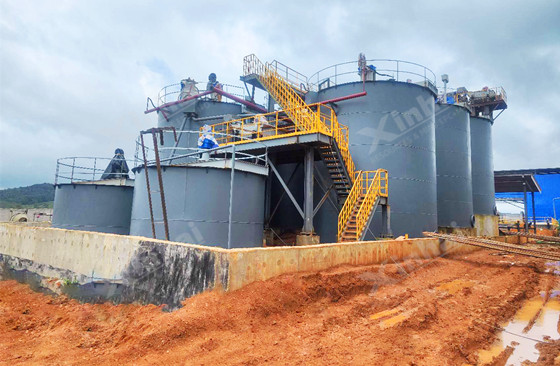
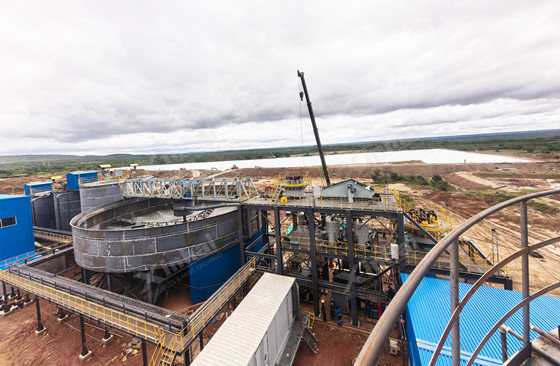
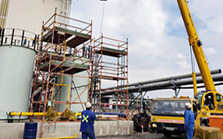
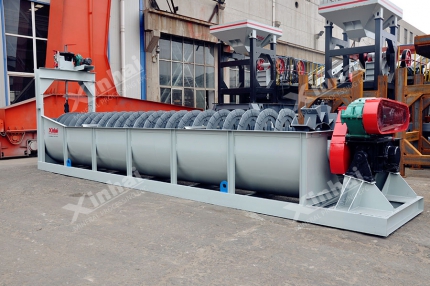
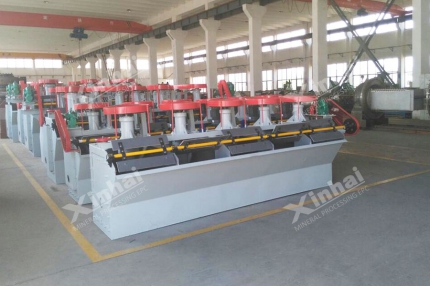
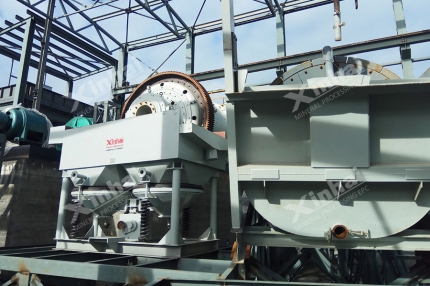
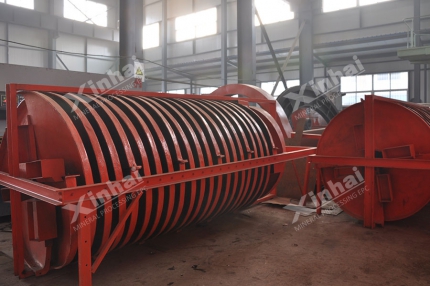
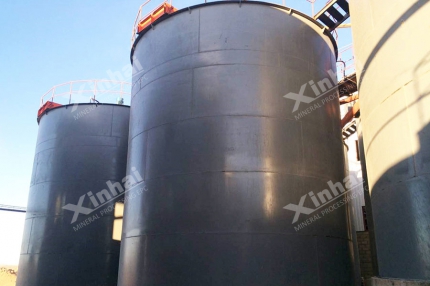
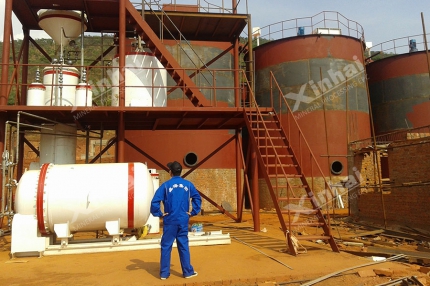
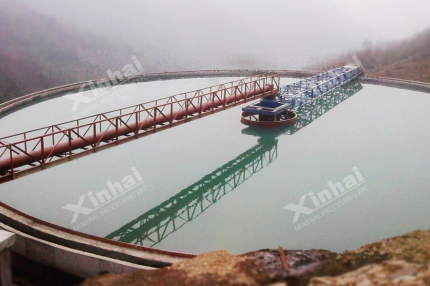
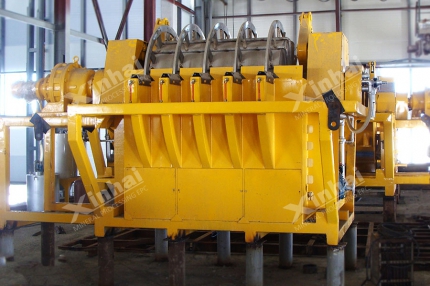
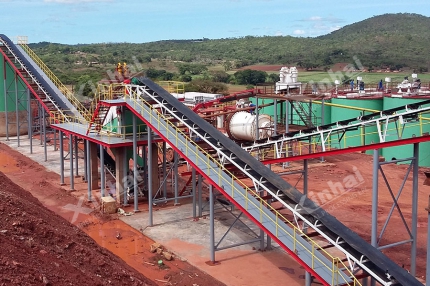
(Xinhai Ghana 500t/d Gold Mine Tailings Reprocessing Project Site)
★Impact on the Processing Route
Tailings differ fundamentally from fresh ore: fine-grained particles, partial liberation, oxidation, and refractory minerals often require entirely different treatment. Rather than replicating the original flowsheet, design should leverage modern gravity, flotation, magnetic separation, leaching, or classification technologies tailored to current tailings characteristics.
★CAPEX, OPEX, and Key Risks
While reduced mining requirements and existing infrastructure can lower upfront capital, tailings projects carry distinct risks: inconsistent composition, poor historical data, high slimes content, difficult solid-liquid separation, lower-than-expected grades, elevated water and reagent consumption, and uncertain post-reprocessing storage obligations. A rigorous sampling and testing program is essential to de-risk plant design and validate economics before committing capital.
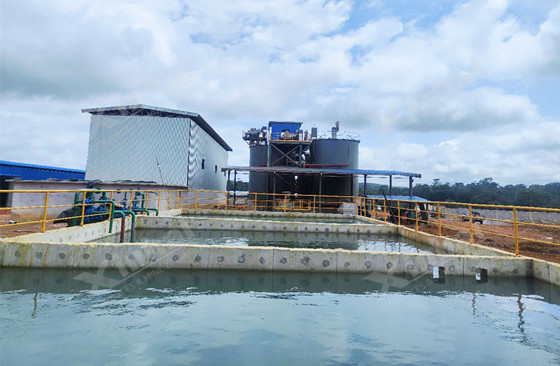
2. New Mine Development: When Is It the Better Option?
★Geological and Mining Conditions
New mine development becomes compelling when exploration identifies a mineable orebody with favorable grade, geometry, and depth. Key factors include ore distribution, strip ratio, geotechnical conditions, mine life, ore variability, mining method, and existing infrastructure. A larger resource does not guarantee viability—deep, complex deposits often carry higher costs than near-surface, open-pit alternatives.
★Impact on Mineral Processing
Ore mineralogy, liberation characteristics, hardness, clay content, oxidation state, and gangue associations must be thoroughly tested before plant design. Multi-commodity deposits, such as gold-copper ores, frequently require specialized flowsheets distinct from single-commodity operations. Mining conditions, metallurgical testing, and processing design should be evaluated as an integrated system rather than in isolation.
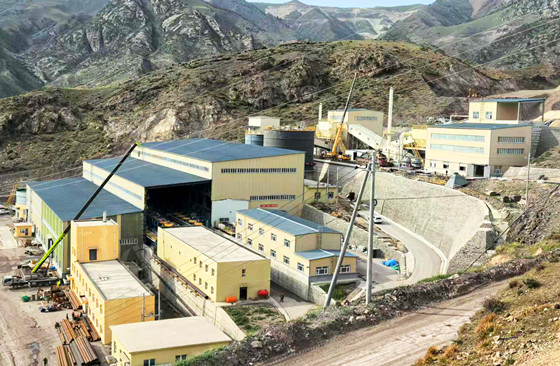
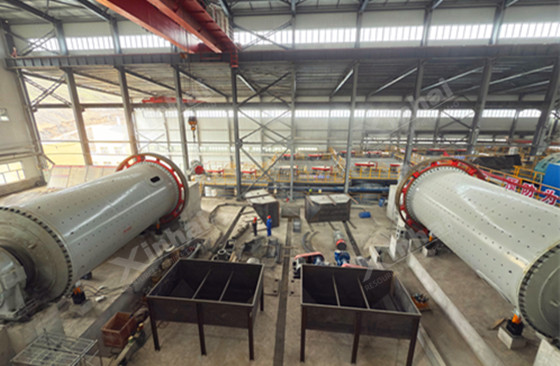
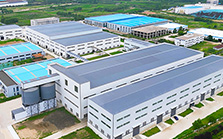
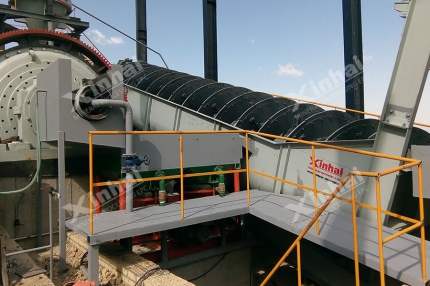
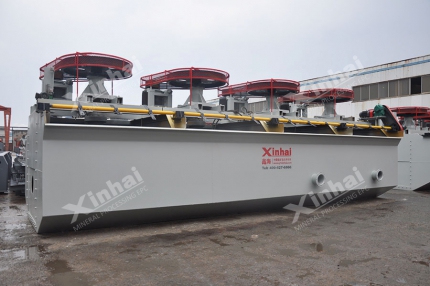
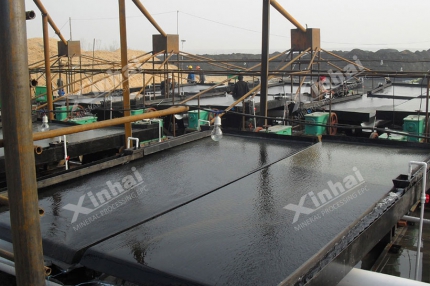
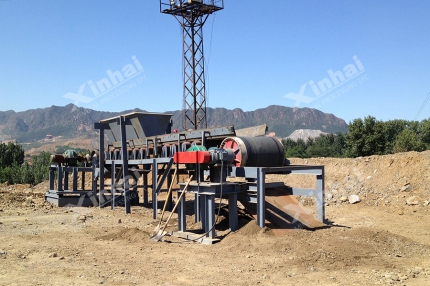
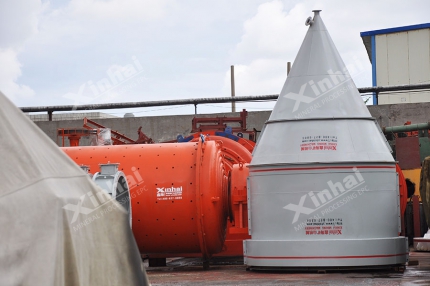
(2 Mtpa Gold Flotation Plant Project, Xinjiang, China)
★CAPEX, OPEX, and Key Risks
Greenfield or brownfield developments typically demand substantial capital for mining equipment, comminution and processing circuits, power and water infrastructure, site facilities, and tailings and waste management systems. Primary risks span geological uncertainty, construction delays, permitting challenges, infrastructure costs, commodity price volatility, and scale-up gaps between laboratory results and plant performance. These factors must be embedded into feasibility analysis from the outset, not treated as afterthoughts once a development path is chosen.
02Tailings Reprocessing vs. New Mine Development: How Should You Compare Them?
A practical comparison should cover at least five dimensions.
Factor | Tailings Reprocessing | New Mine Development |
Resource certainty | Depends on sampling and historical data | Depends on geological definition |
Mining cost | Usually limited | Potentially significant |
CAPEX | Potentially lower | Often higher |
Processing complexity | May be fine or difficult to treat | Depends on ore mineralogy |
Infrastructure | Existing facilities may help | May require new infrastructure |
Permitting | Site-specific | Often broader |
Project timeline | Potentially shorter | Generally longer |
Main uncertainty | Tailings variability and recovery | Geology, mining and construction |
03Can the Two Routes Be Developed Together?
Yes. In some cases, the best strategy is not either/or. A mine owner can work on extracting a new orebody while also processing existing tailings with the current plant capacity. This combined approach can boost production and extend the lifespan of existing infrastructure.
However, it's important to carefully assess the two material streams, as different ore characteristics may require separate processing circuits or adjustments to the plant.
04How Xinhai Evaluate the Best Development Route?
At Xinhai Mining, we adopt a holistic technical perspective in our decision-making process, evaluating the resource, mine, and processing plant as interconnected components.
The evaluation begins with representative sampling of ore or tailings, alongside mineralogical analysis and metallurgical testing to assess recovery potential. We then analyze the results to compare flowsheets, processing capacities, equipment configurations, and infrastructure needs.
For existing operations, this evaluation can identify bottlenecks and opportunities for optimization or expansion.
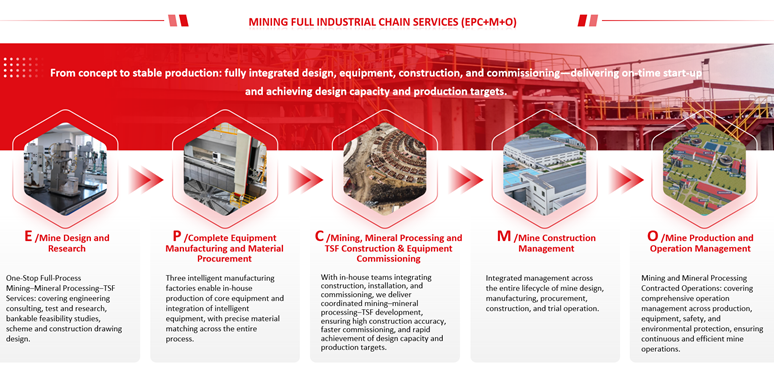
Once a viable development route is determined, projects advance to engineering, procurement, construction, commissioning, and operation. We can provide support through EPC or EPC+M+O services, ensuring a cohesive link between technical assessment and project execution.
05Final Decision: Reprocess Tailings or Develop a New Mine?
There is no universal answer in mining strategy.
Tailings reprocessing is a low-capex, rapid-payback route that advances ESG goals—if residual grades are adequate and minerals liberate without heavy regrinding. If testwork reveals refractory mineralization or complex dewatering needs, the business case weakens sharply.
New mine development demands greater capital, longer lead times, and heavier environmental obligations, but it underwrites long-term mine life and economies of scale. For majors with strong exploration capabilities, securing tier-one deposits remains a strategic necessity.
The choice must be validated by metallurgical testwork, geotechnical evaluation, and DCF-based sensitivity analysis.
 marketing@xinhaimining.com
  0086 13810327080









 CHAT
CHAT MESSAGE