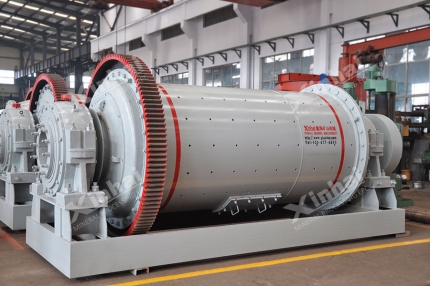
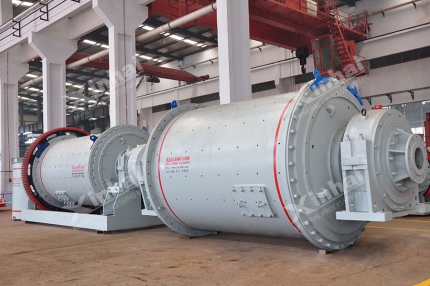
When investing in major mineral processing equipment, maximizing service life is always a priority. When that equipment operates continuously at the core of a grinding circuit, its reliability becomes even more critical to plant stability and production targets. Ball mill maintenance plays a key role in sustaining grinding efficiency and minimizing unplanned downtime. Effective maintenance begins with understanding how different ore characteristics, operating conditions, and grinding requirements affect the ball mill, and how ore hardness, abrasiveness, and feed size distribution influence wear behavior and maintenance strategies.
In this guide, Xinhai’s engineering and mineral processing team shares practical insights to help you better understand how to maintain ball mills based on real operating conditions and project experience.
Use the table of contents below to navigate through the guide:
01Why Ball Mill Maintenance Should Be Proactive, Not Reactive?
Before discussing specific ball mill maintenance practices, it is important to understand what is truly at stake. In operating concentrators, poorly maintained ball mills commonly suffer from:
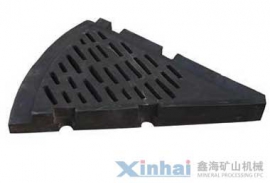
Premature wear or failure of critical components such as liners, bearings, and drive systems, leading to costly replacements
Unplanned downtime that disrupts grinding circuits and affects the entire plant throughput
Gradual deterioration in grinding efficiency, resulting in unstable particle size distribution and downstream recovery losses
Increased energy consumption caused by inefficient grinding and excessive internal friction
A significantly reduced overall service life of the ball mill machine
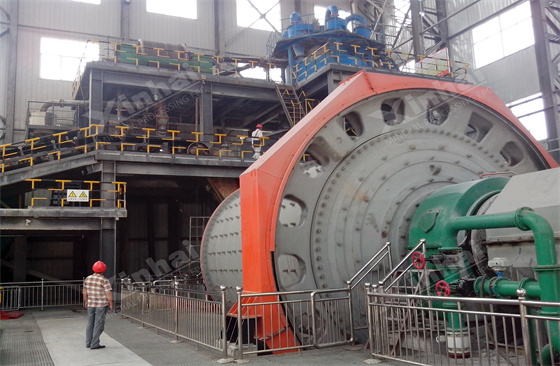
Field experience and industry data consistently show that every dollar invested in preventive ball mill maintenance can save multiple dollars in emergency repairs, spare parts, and lost production. Considering that a single ball mill machine often represents a multi-million-dollar investment in modern mineral processing plants, establishing a structured and proactive maintenance program is not only technically sound—it is a rational and necessary economic decision.
02Complete Guide to Efficient and Safe Operation and Maintenance of Ball Mills
Enhance the safety and efficiency of ball mills with expert maintenance. We’ve collaborated with a skilled engineering team to refine a proven solution for you:
1. Daily Maintenance Checklist (Shift-Based)
(1)Before Start-Up
Complete the following before each shift:
| Category | Checklist |
|---|
Mechanical | • Check shell/end liners for looseness or damage
• Confirm all liner bolts and foundation bolts are tight
• Ensure feed and discharge areas are clear |
Lubrication | • Oil level at sight glass midpoint
• Oil clean, no water or foam
• No leaks from bearings or pipelines |
Environment | • Clear materials, tools, and waste around mill
• Ensure walkways and platforms are safe |
Rotation Check | • Inch or manually rotate mill
• Stop if abnormal resistance or noise is detected |
Monitor continuously and log all readings:
| Parameter | Normal | Action if Abnormal |
|---|
Sound | Steady grinding noise | Stop if knocking/scraping/metal impact heard |
Vibration | No visible excess vibration | Stop and report if sudden increase occurs |
Temperature | Bearing ≤ 70°C
Motor/gearbox within range | Stop if limits exceeded |
Motor Current | Stable = normal load | Check feed/media if high or fluctuating |
Lubrication Flow | Supply and return continuous | Check filters/pump if interrupted |
Product Condition | Stable discharge size/throughput | Adjust feed/media if out of spec |
2. Weekly Maintenance Tasks
✰Perform during planned short stoppages:
Clean lubrication station magnetic filters
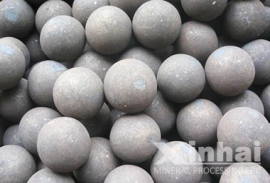
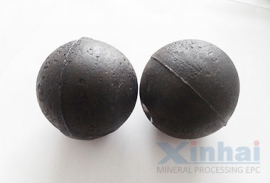
Inspect grinding media condition
Add grinding balls in small batches only
Re-tighten critical bolts (liners, couplings)
Clean feed and discharge areas
Take discharge samples for size analysis
3. Monthly Maintenance Tasks
✰Perform during scheduled maintenance windows:
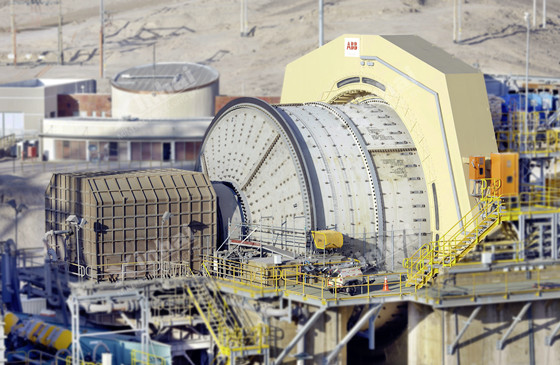
Take oil samples and evaluate condition
Replace lubricant if contaminated/degraded
Inspect liner wear and plan replacement
Check bearing clearance and trunnion condition
Inspect girth gear and pinion wear pattern
Verify motor–gearbox–mill alignment
Clean oil tank before refilling
4. Operator Responsibilities
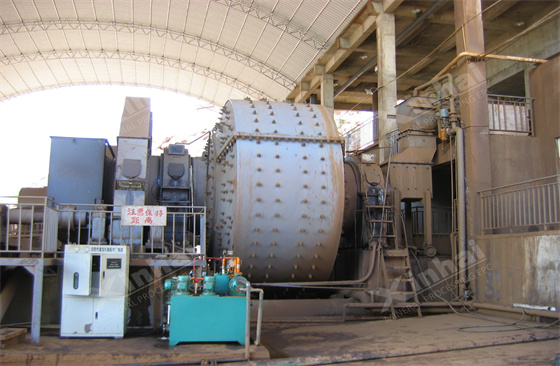
✰Operators must:
Follow start-up/shutdown procedures strictly
Record operating data every shift
Report abnormal noise, vibration, or temperature immediately
Never adjust or repair equipment during operation
Ensure only trained, authorized personnel operate the mill
5. Safety Rules (Mandatory)
(1)Lockout / Tagout (LOTO)
Isolate electrical, mechanical, hydraulic energy
Lock and tag all control points
Confirm zero energy before work
(2)Personal Protective Equipment
Helmet, safety shoes, gloves mandatory
Goggles and dust mask when required
(3)Inside Mill Work
Power isolated and confirmed with control room
One safety watch outside the mill
Use low-voltage lighting (≤36V)
(4)Lifting Operations
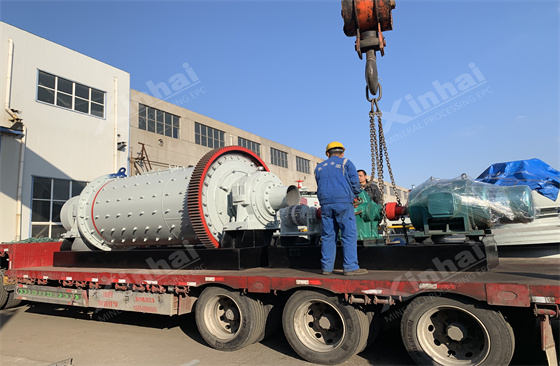
Inspect slings and lifting tools
No personnel under suspended loads
One assigned lifting supervisor
(5)Prohibited Actions
No maintenance on running equipment
No entry into mill without permit
No unauthorized personnel in maintenance area
6. Documentation and Handover
Maintain daily operation and inspection logs
Record all maintenance actions and spare parts used
Submit records to EPC site management regularly
03Addressing Common Issues in Ball Mill and Their Solutions
Even with great maintenance, problems arise. Here are the most frequent issues we resolve, along with field-proven fixes:
Excessive Vibration: Check for uneven liner wear or unbalanced media load.
✑Solution: Rotate or replace liners, and rebalance the ball charge—Xinhai’s technicians use laser alignment tools for precision.
Low Grinding Efficiency: Worn liners or incorrect media size are usually to blame.
✑Solution: Replace liners and adjust media gradation based on ore hardness (our process engineers test ore samples to optimize this).
Oil Leaks from Seals: Caused by pressure buildup or damaged seals.
✑Solution: Clean the seal area (avoid high-pressure water on hot components) and replace with OEM seals—Xinhai stocks genuine parts for all major ball mill machine models.
04Final Tips for Long-Term Ball Mill Success
Effective ball mill maintenance—including cleaning, inspection, and documentation—can extend equipment lifespan, stabilize output, and control costs. From initial setup to daily operation, these measures form the cornerstone of a reliable grinding circuit. If you encounter issues with ball mill operation or plan upgrades, consider developing a customized maintenance guide or conducting a comprehensive project assessment. With extensive international experience, Xinhai.com stands ready to discuss how we can support your operations—from technical consulting to complete EPC+M+O solutions. Feel free to contact us anytime for consultation.
 marketing@xinhaimining.com
  0086 13810327080








 CHAT
CHAT MESSAGE