In my years working on operating mines and EPC projects across different regions, I have learned one thing very clearly: good mine design is not about drawings alone—it is about whether a mine can be built, operated, and sustained in the real world.
Mine design connects geology, mining engineering, processing, tailings management, capital control, and long-term operational safety. When design decisions are made too early without sufficient data—or too late without coordination—the consequences often appear during construction or production, when changes become costly and risky.
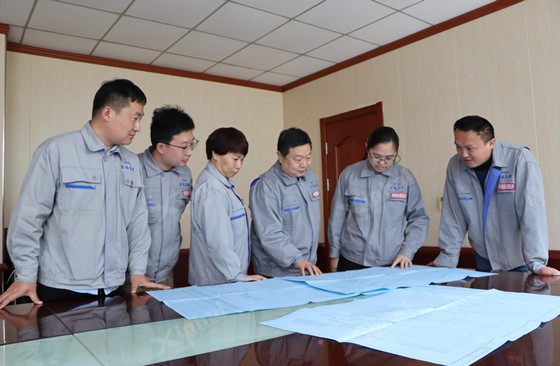
In this article, I would like to share how we approach mine design from a practitioner’s point of view, covering mining engineering design, detailed engineering design, TSF design, and how integrated services supported by mines lab work make designs practical rather than theoretical.
Use the table of contents below to navigate through the guide:
01The Core Principles of Effective Mine Design
When we talk about mine design, we're really referring to a multi-layered process that begins with detailed engineering design. A common pitfall is treating each engineering discipline in isolation. True Detailed Engineering Design requires a synergistic team covering geology, mining, mineral processing, metallurgy, mechanical and civil engineering, and electrical systems.
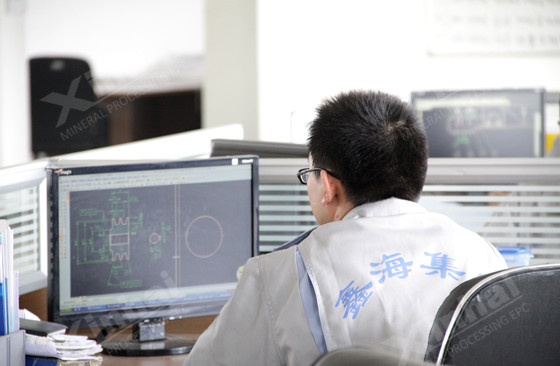
From my experience, effective mine design typically develops through:
Feasibility and technical evaluation
Mining engineering design and layout definition
Detailed engineering design for construction
Integration of processing plants and tailings systems
Design optimization during EPC+M+O execution
Each stage must reduce uncertainty, control risk, and align investment with realistic production targets.
02Key Components of Comprehensive Mine Design
1. Mining Engineering Design: From Feasibility to Construction
The mining engineering phase transforms resource potential into actionable plans. We start with feasibility studies that evaluate resource reserves, mining conditions, and market dynamics—delivering the data investors need for confident decisions. From there, preliminary design refines these plans, cutting feasibility study error margins from 40% to 10%, before finalizing construction drawings that meet global standards (from Chinese codes to Canadian NI 43-101).
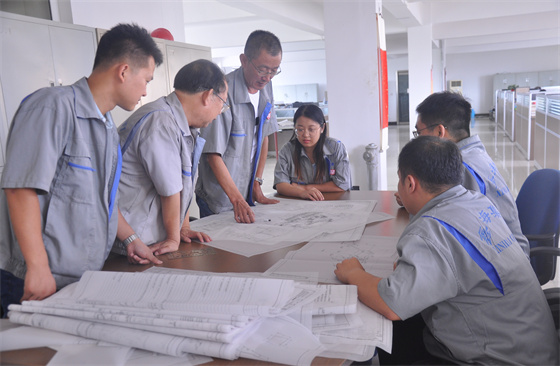
Key elements include:
Open-pit or underground mining method selection
Pit optimization or stope layout design
Mining sequence and production scheduling
Equipment matching and access design
Safety, ventilation, and infrastructure planning
In Guinea, for example, our 6,000t/d gold ore project’s mining design optimized blast patterns and haul routes, reducing ore transportation costs by 18%—a difference that directly impacts the bottom line.
2. Processing Plant Design: Efficiency Tailored to Ore Characteristics
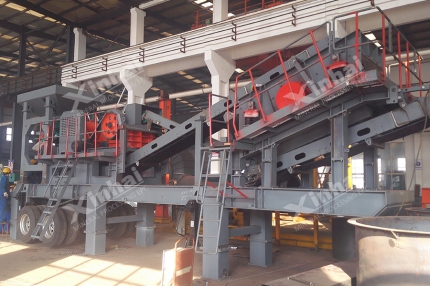
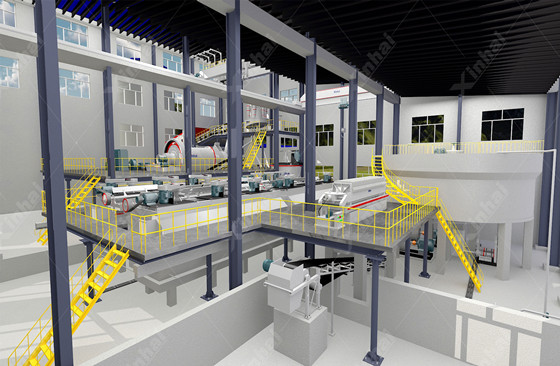
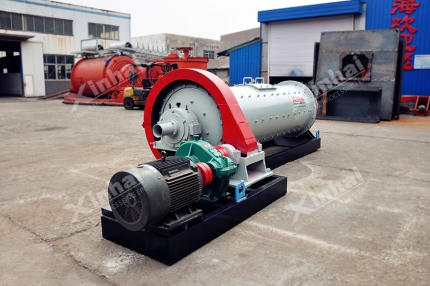
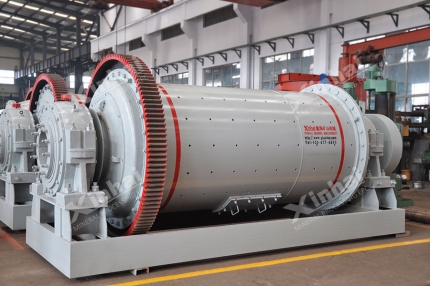
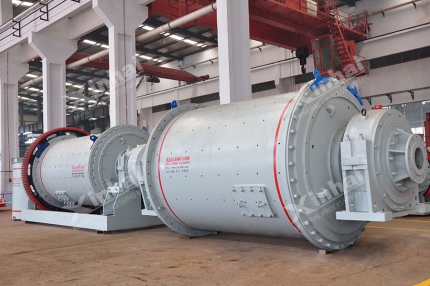
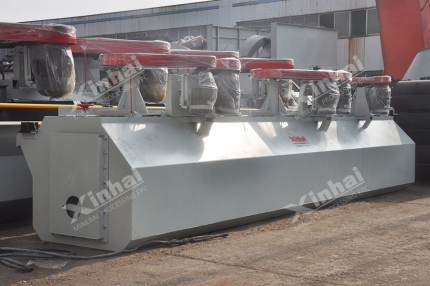
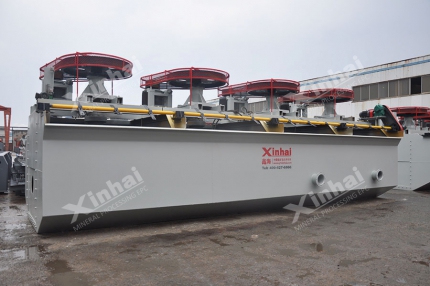
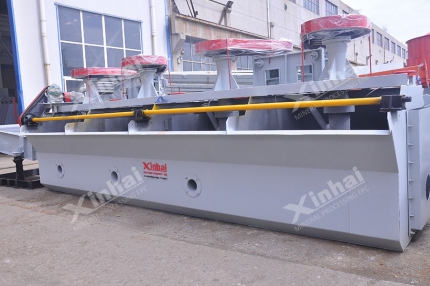
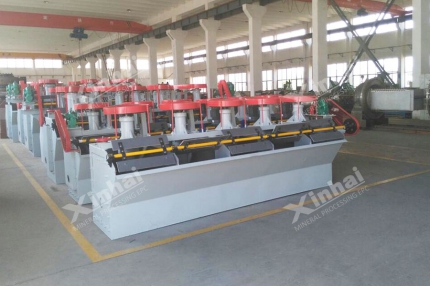
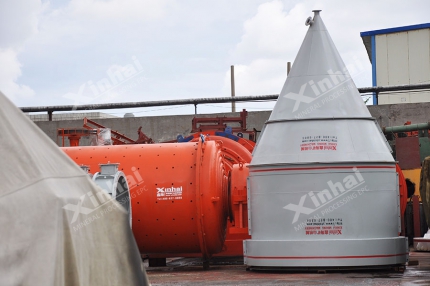
No two ores are identical, so cookie-cutter processing designs fail. Using SolidWorks 3D software and PDM systems, we create custom solutions—whether conventional plants, mobile units, or modular steel-structure designs that minimize civil work and speed up construction.
From flotation behavior to gravity recovery and tailings characteristics, laboratory testing defines:
For Pakistan’s 1,500t/d copper ore plant, we designed a closed-circuit crushing and grinding system paired with multi-stage flotation, boosting copper recovery by 7% compared to the client’s initial plan.
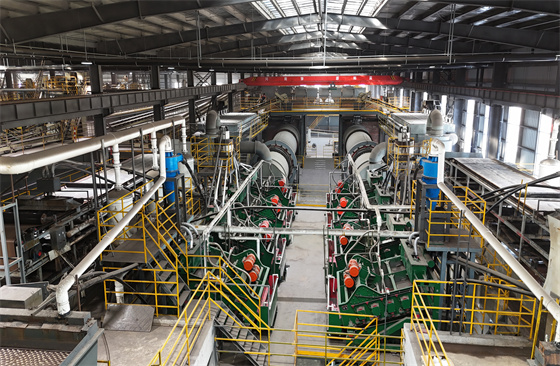
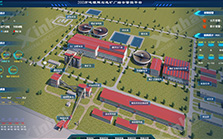
We also integrate cutting-edge technologies like VR and 720-degree panoramic visualization, letting clients “walk through” plants before construction and making design adjustments faster.
In projects I have participated in, insufficient lab work often leads to oversized equipment, unstable operation, or recovery shortfalls. Integrating mines lab results early allows process design and mine output to remain aligned throughout the project lifecycle.
3. TSF Design: Safety and Sustainability as Priorities
Tailings Storage Facility (TSF design) is where safety and environmental responsibility converge—and it’s an area where Xinhai’s independent IP shines. Our systematic approach covers site selection (evaluating topography and tailings characteristics), dam structure design, and drainage systems, plus online monitoring to prevent risks. In Uganda’s 720tpd phosphate ore project, our TSF design included impermeable layers and emergency systems, ensuring compliance with local regulations and protecting nearby water sources.
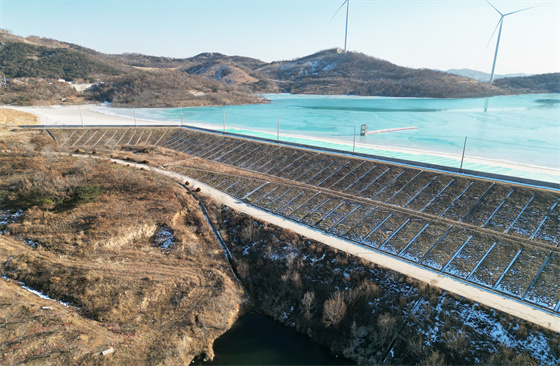
From my experience, integrating TSF design early with processing plant and water systems significantly reduces operational risk and future expansion constraints. Xinhai’s approach emphasizes site-specific solutions rather than standardized layouts, which is essential under today’s regulatory and ESG pressures.
03Why Experience Matters in International Mine Design?
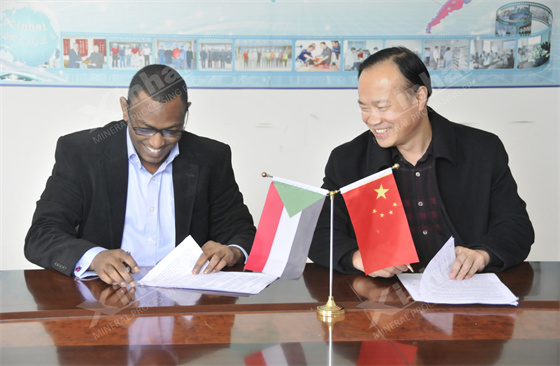
International mining projects come with unique challenges: varying regulations, logistical hurdles, and cultural nuances. Xinhai’s track record of 600+ global projects—across terrains from deserts to jungles—means we anticipate these issues. We design to Australian JORC, Canadian NI 43-101, and Valmin codes, so clients never face compliance setbacks. More importantly, our EPC+M+O model means we don’t just design—we oversee construction, optimize operations, and provide ongoing support, turning designs into successful, profitable mines.
04Your Mine Deserves a Design Built for Success
Mine design should always answer a simple question: Will this mine work in reality, not just in theory?
In conclusion, mine design is the strategic compass for any mining project. It is a complex, multidisciplinary endeavor that balances technical excellence with economic viability and environmental stewardship. A great design is tailored, innovative, and, most importantly, informed by the real-world experience of bringing projects to life.
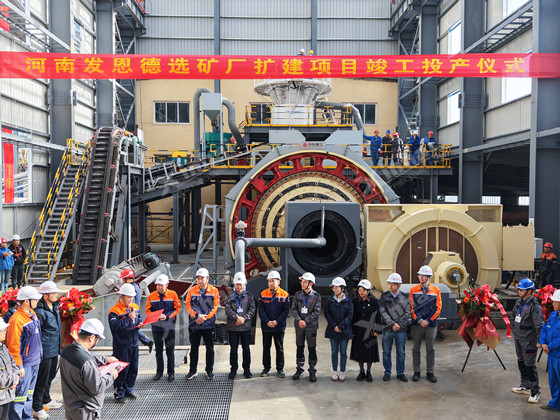
The goal is to deliver a professional and reliable solution that maximizes your project's potential while minimizing risk. If you are in the planning stages of a project and value a design partner that thinks like an operator, we should talk.
Let's connect. I welcome the opportunity to discuss your project's specific challenges and explore how a comprehensive mine design approach can lay the groundwork for your success. For a deeper technical conversation or to review your project fundamentals, please reach out through our contact page.
 marketing@xinhaimining.com
  0086 13810327080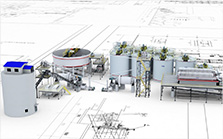




 CHAT
CHAT MESSAGE