In a typical lithium ore beneficiation plant, the process usually includes four stages: crushing and screening, grinding and classification, beneficiation, and concentrate dewatering. Each stage has different goals and equipment requirements, and the right equipment selection is critical for achieving stable production, high recovery, and good project economics.
Use the table of contents below to navigate through the guide:
01Crushing and Screening – Preparing Stable Feed for Grinding
The crushing circuit does more than reduce rock size. Its main purpose is to provide a stable, properly sized feed for grinding while keeping overall energy consumption under control.
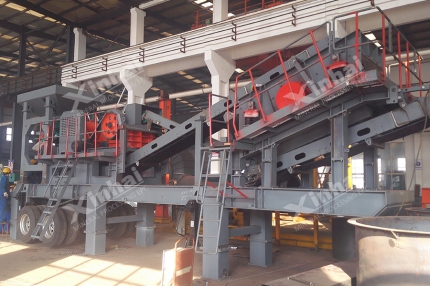
Most lithium plants follow the principle of “more crushing, less grinding.” Depending on ore characteristics, operators commonly use either two-stage or three-stage closed-circuit crushing. Three-stage crushing is often preferred for ores with large feed sizes or wide size variations because it produces a more uniform product and improves downstream grinding performance.
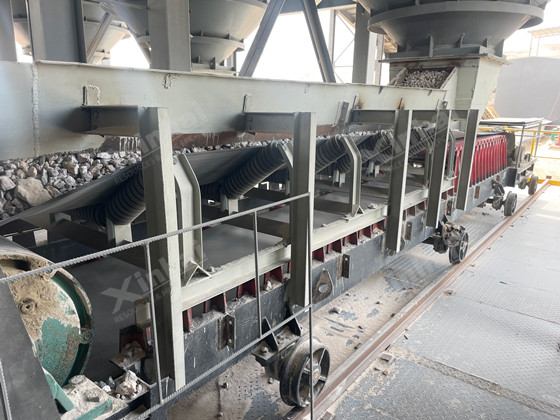
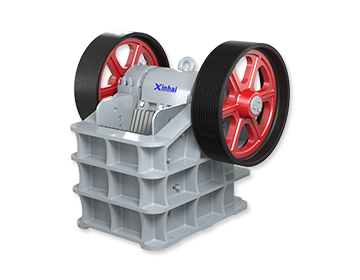
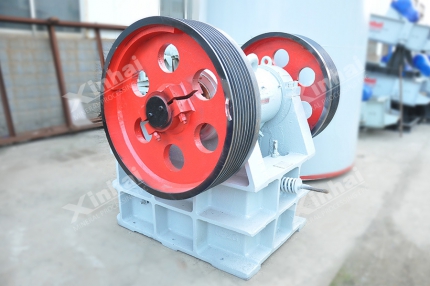
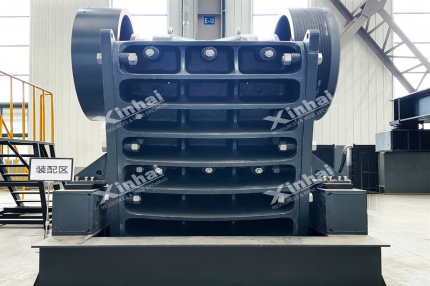
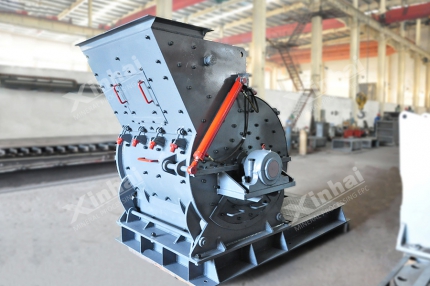
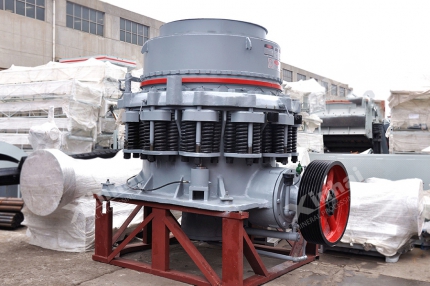
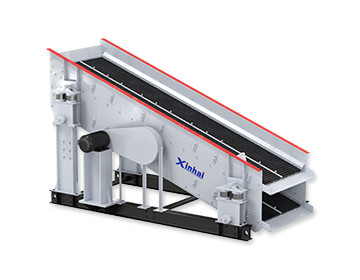
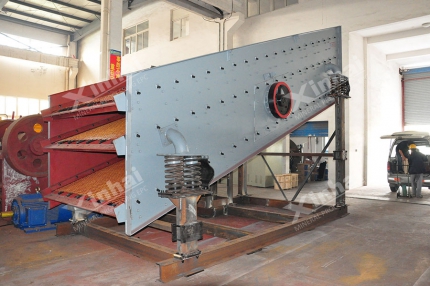
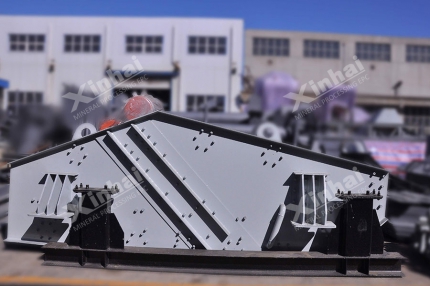
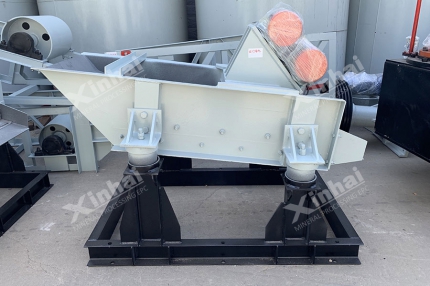
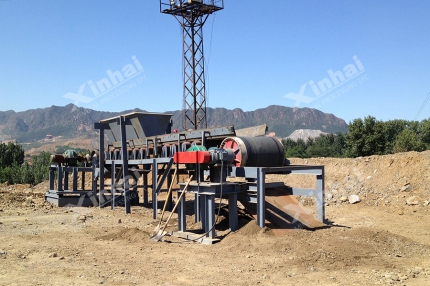
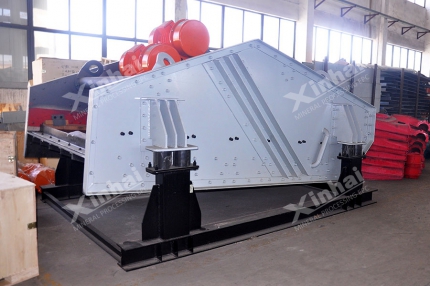
Typical equipment includes jaw crushers, cone crushers, and circular vibrating screens. In practice, suppliers with both process-design and equipment-manufacturing capabilities are often better able to optimize the crushing circuit as an integrated system rather than as individual machines.
A well-designed crushing circuit can significantly reduce the load on the grinding system and improve overall plant stability.
02Grinding and Classification – Achieving Adequate Mineral Liberation
Grinding is one of the largest energy consumers in lithium processing and has a direct impact on flotation performance.
The objective is to liberate lithium-bearing minerals from gangue while avoiding excessive overgrinding, which creates slimes and reduces recovery.
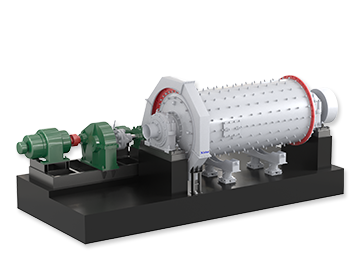
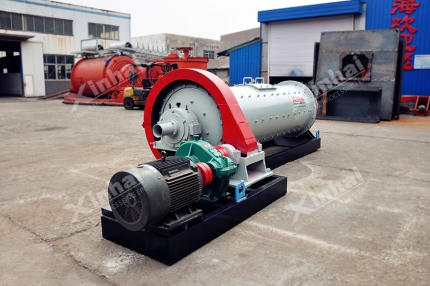
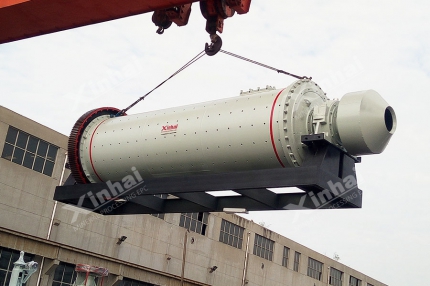
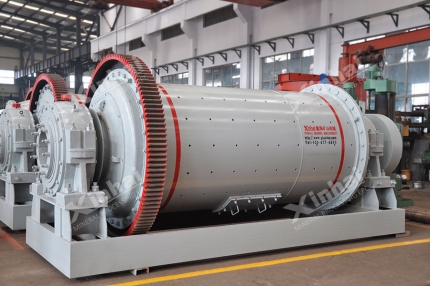
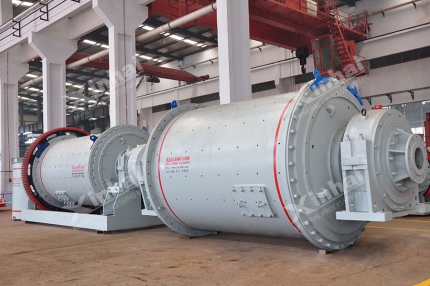
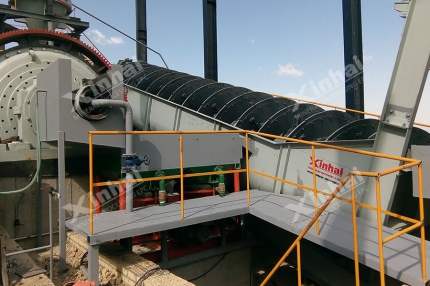
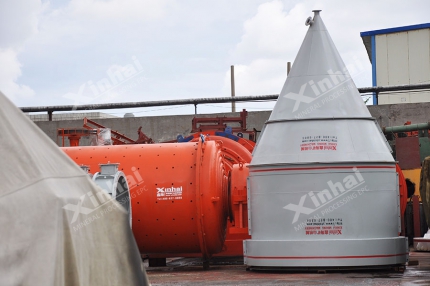
Most lithium concentrators use single-stage closed-circuit grinding. Common equipment includes wet grate ball mills, rod mills for applications requiring tighter control of overgrinding, and wet overflow ball mills for finer secondary grinding.
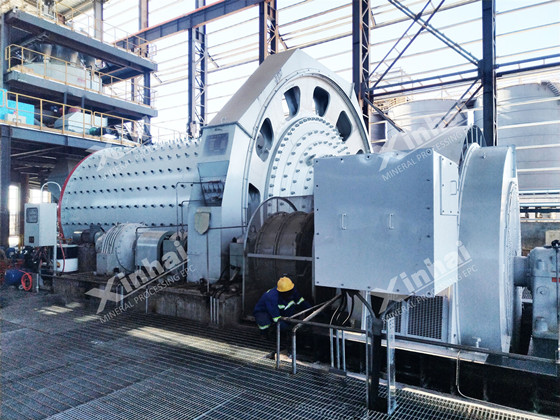
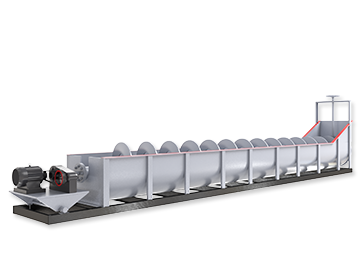
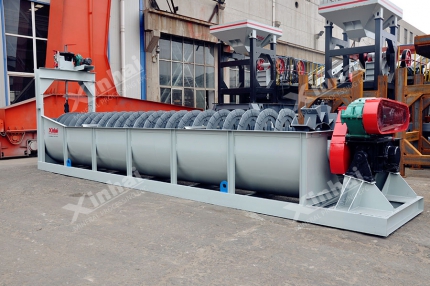
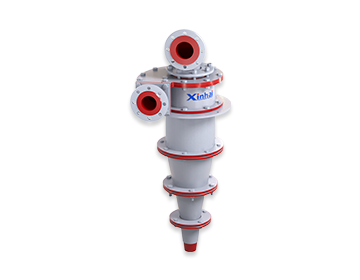
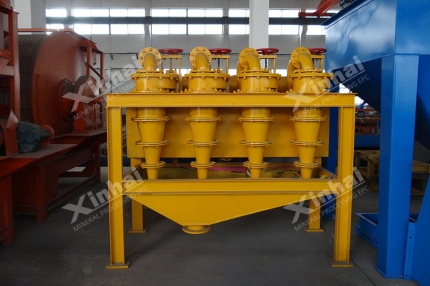
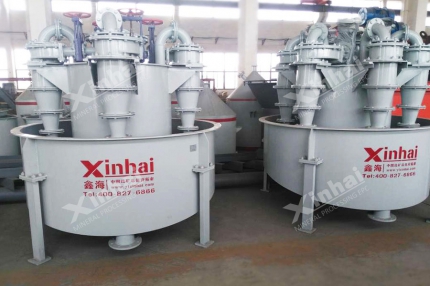
Classification is usually carried out by hydrocyclone clusters, which return coarse particles for further grinding and send correctly sized material to flotation. In clay-rich ores, desliming may be added to improve flotation conditions.
Many modern plants focus not only on mill capacity but also on achieving an optimal mill-cyclone balance, since a well-matched grinding-classification circuit often delivers better overall performance.
03Beneficiation – Recovering Lithium and Associated Valuable Minerals
This stage determines the final concentrate grade and overall recovery. Many lithium deposits also contain valuable minerals such as tantalum, niobium, feldspar, mica, and iron-bearing minerals, so the flowsheet is often designed for maximum resource utilization.
Flotation
For spodumene and petalite ores, flotation remains the dominant beneficiation method.
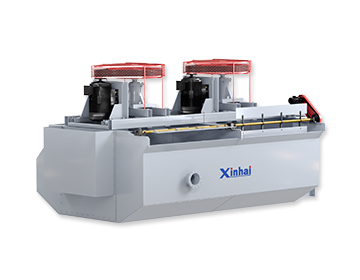
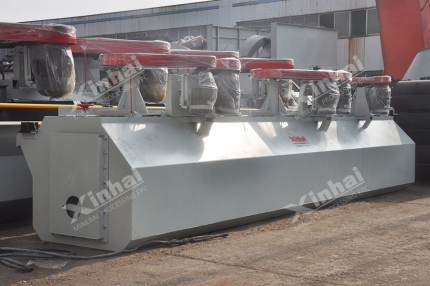
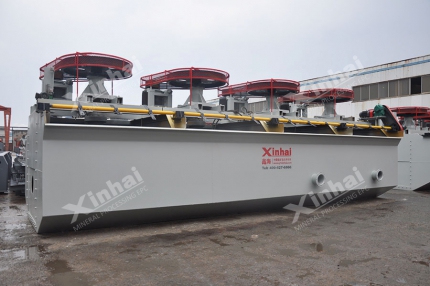
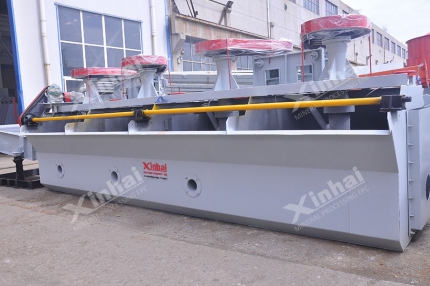
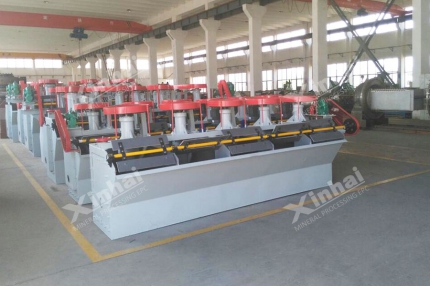
Common flotation equipment includes KYF, XCF, SF, JJF, and BF flotation cells. The KYF-XCF combined arrangement is widely used because it offers stable operation and allows a level installation layout, which can reduce civil construction costs.
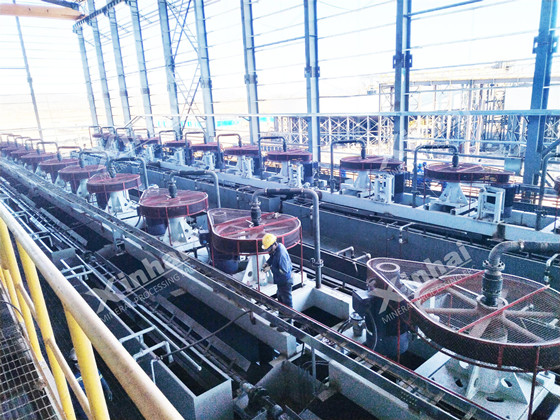
Manufacturers with strong engineering and fabrication capabilities can supply large flotation cells with stable performance at high throughputs. Some also apply flow-field optimization and modular fabrication to improve aeration efficiency and simplify installation.
Gravity Separation
When economically recoverable tantalum and niobium are present, gravity separation is often placed before flotation.
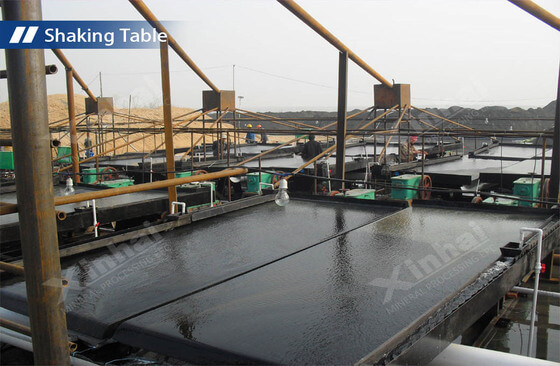
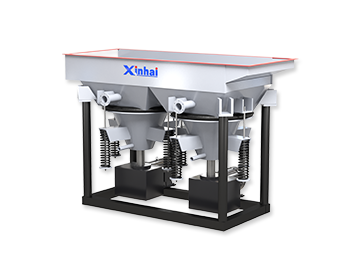
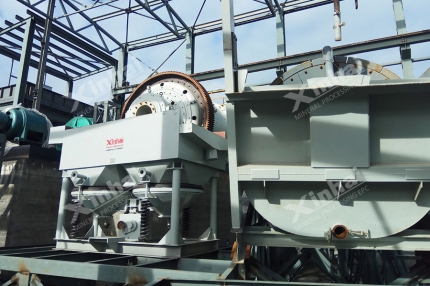
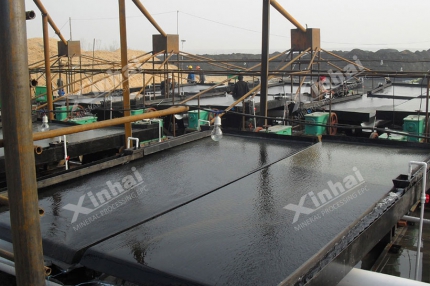
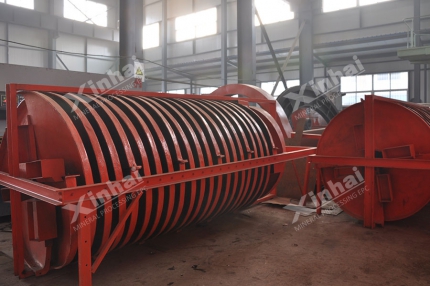
Typical equipment includes shaking tables and centrifugal concentrators. Recovering these minerals can significantly improve project economics while increasing overall resource utilization.
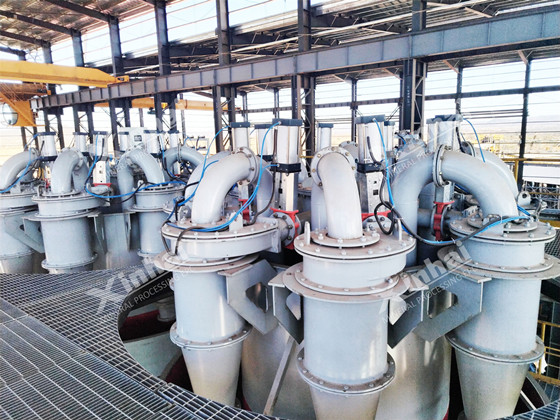
Magnetic Separation
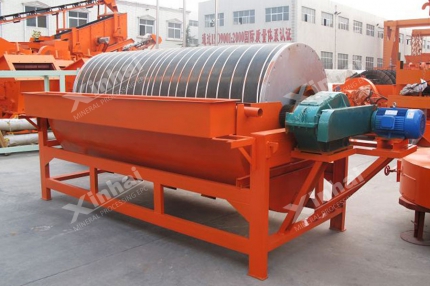
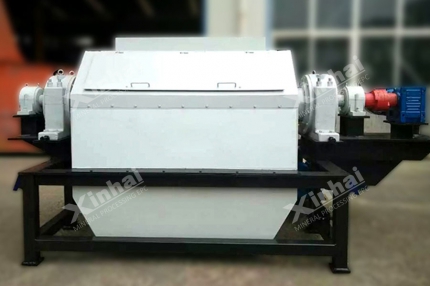
Magnetic separation is mainly used to remove iron-bearing minerals and improve lithium concentrate quality.
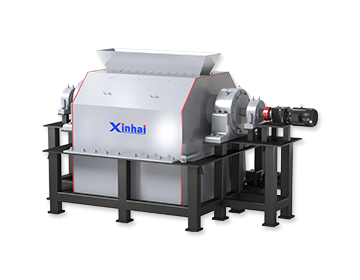
Because many iron minerals are only weakly magnetic, plants typically use high-intensity or high-gradient magnetic separators. Reliable performance depends not only on magnetic field strength but also on equipment quality and long-term operating stability.
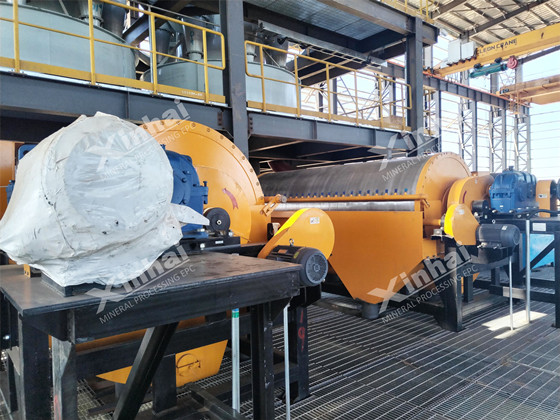
04Concentrate Thickening and Dewatering – Producing a Marketable Product
After beneficiation, the concentrate must be thickened and dewatered to meet transportation and downstream processing requirements.
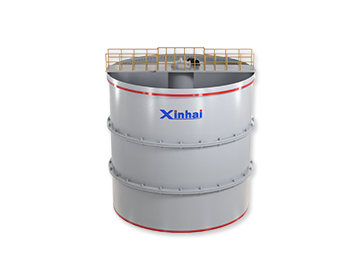
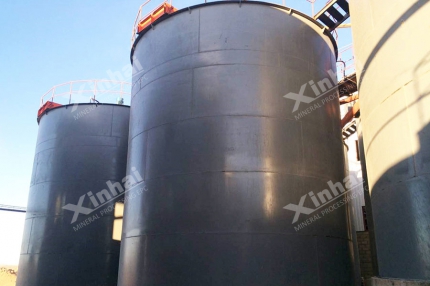
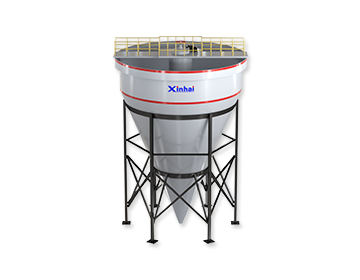
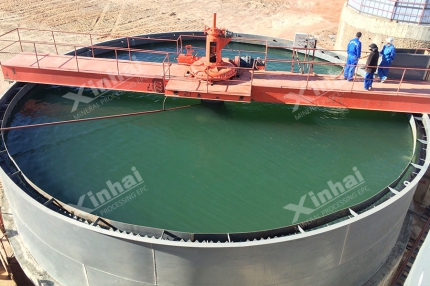
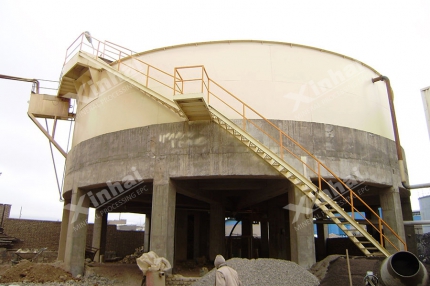
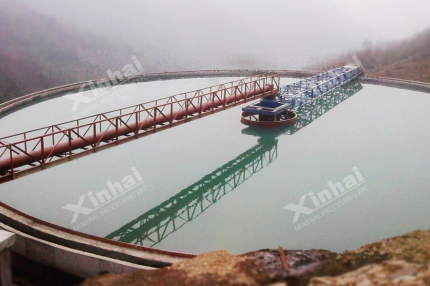
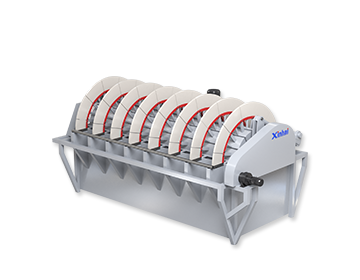
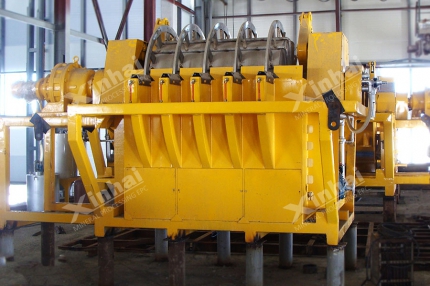
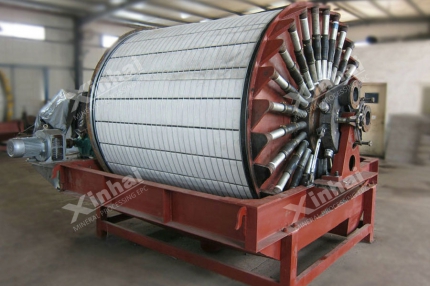
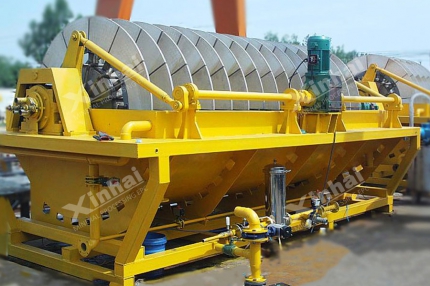
Typical thickening equipment includes high-efficiency hydraulic center-drive thickeners, while filtration is commonly performed using disc vacuum filters, ceramic vacuum filters, and filter presses.
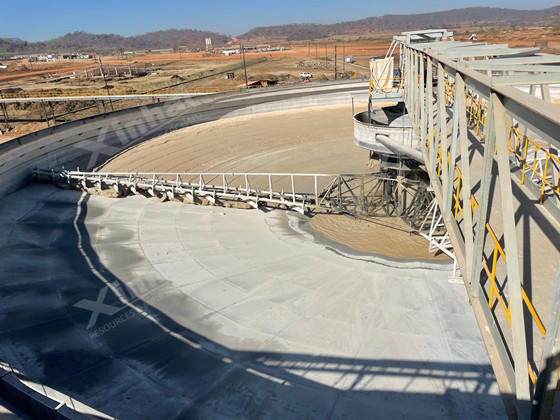
Efficient dewatering improves concentrate handling and reduces transportation costs. Many modern plants achieve moisture levels below 8–10%, making storage and shipping much easier. Modular dewatering systems are also becoming increasingly popular because they shorten installation and commissioning time.
05Equipment Selection Should Follow the Process
Equipment selection should be based on project-specific factors, including:
Ore mineralogy and liberation characteristics
Processing capacity
Target concentrate grade and recovery
Water and power availability
Plant layout and future expansion requirements
Capital and operating costs
For this reason, metallurgical test work should always be completed before finalizing the flowsheet and equipment configuration. Many experienced engineering companies combine laboratory testing, process design, equipment manufacturing, and commissioning support into a single workflow, helping reduce equipment mismatches and improving the likelihood of achieving design targets under real operating conditions.
06Engineering Experience in Practice
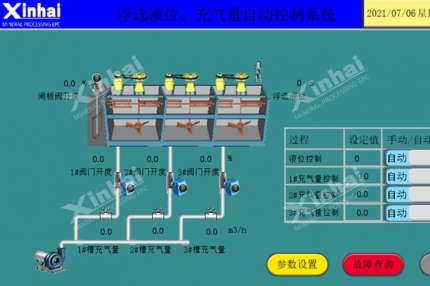
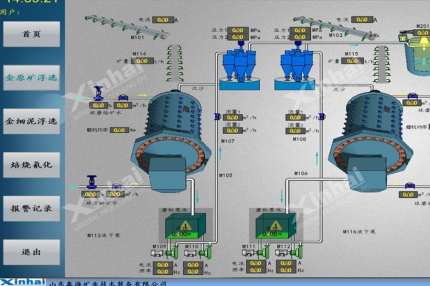
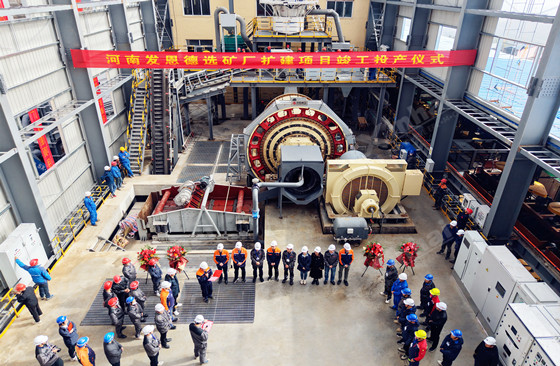
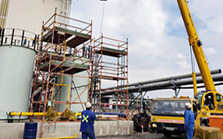
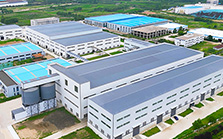
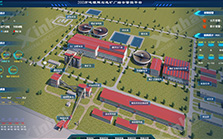
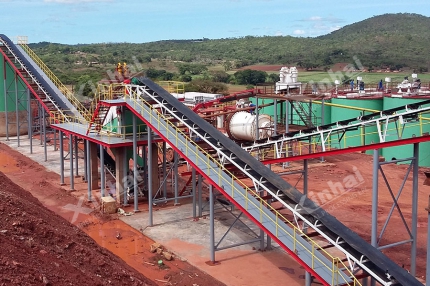
The importance of matching equipment selection with ore characteristics and process requirements has been demonstrated across a wide range of lithium projects. Xinhai Mining Group has applied this approach in projects of different scales and deposit types, including a 2 Mt/a spodumene beneficiation plant in Zimbabwe, a 0.5 Mt/a dense media separation (DMS) lithium plant in Eastern Europe, and a 2,000 t/d lepidolite concentrator automation upgrade in Inner Mongolia, China.
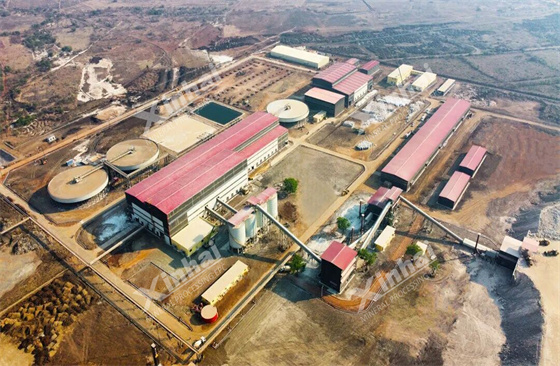
Although each project required a different process route, all were developed around the same principle: selecting equipment based on metallurgical testing and project-specific operating conditions rather than relying on standard configurations.
Conclusion
Modern lithium beneficiation plants require tailored equipment selection rather than standard configurations. Ore characteristics, throughput, product quality requirements, and operating costs all influence the optimal equipment combination.
Experienced providers use metallurgical test results to guide equipment selection and process design, while automation enables real-time performance monitoring and operational optimization.
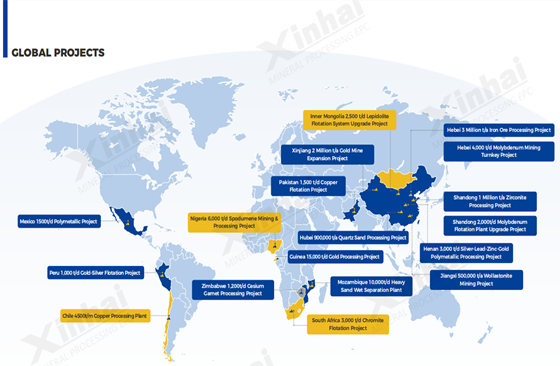
With decades of experience in mineral processing, Xinhai Mining Group combines metallurgical testing, engineering design, equipment manufacturing, and plant implementation into an integrated solution. This allows equipment selection to be based on verified process data rather than generic configurations, helping lithium projects achieve higher recovery, more stable operation, and stronger long-term economics.
 marketing@xinhaimining.com
  0086 13810327080



 CHAT
CHAT MESSAGE