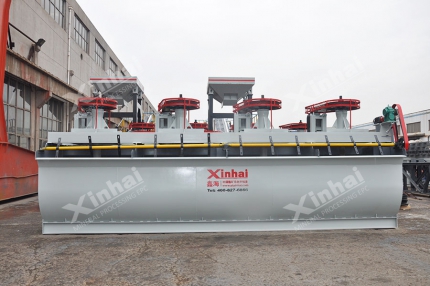
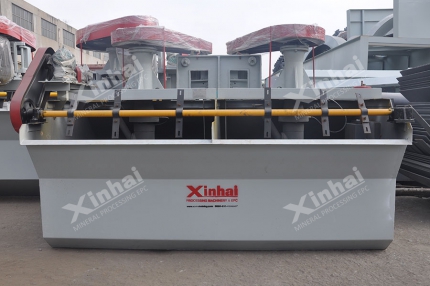
Copper, lead and zinc are commonly found together in polymetallic sulphide ores, but separating them efficiently is rarely straightforward. Differences in mineral composition, liberation size, intergrowth and floatability can all affect the final result. Flotation is one of the most widely used methods for recovering and separating these valuable minerals. The selected flotation flowsheet has a direct impact on concentrate grade, recovery and operating costs.
This article introduces four commonly used copper-lead-zinc flotation flowsheets: preferential flotation, bulk-selective flotation, partial bulk-selective flotation and iso-flotation.
Use the table of contents below to navigate through the guide:
01Preferential Flotation for Copper-Lead-Zinc Ore
Process Principle of Preferential Flotation
Preferential flotation, also known as selective flotation, separates valuable minerals one by one according to their different floatability. One mineral is floated first while the others are depressed, followed by the recovery of the remaining minerals in sequence.
A typical flowsheet is:
Copper flotation → Lead flotation → Zinc flotation
This approach is generally suitable when the valuable minerals have clear differences in floatability and can be effectively separated through reagent control.
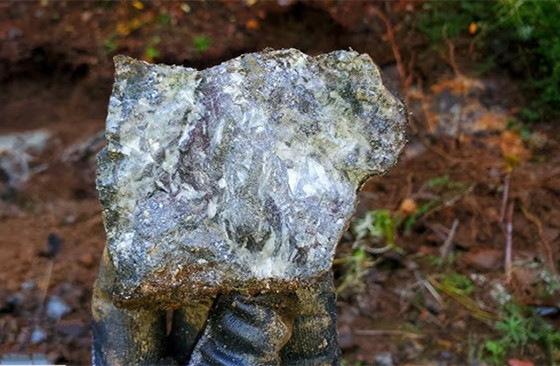
Copper Flotation
The flotation process usually begins with copper recovery. Depressants are added to suppress lead and zinc minerals, while collectors promote the flotation of copper minerals. The copper concentrate is then recovered through roughing and cleaning stages.
Lead Flotation
After copper recovery, the pulp is conditioned to depress copper minerals while promoting the flotation of lead minerals. Collector and frother dosages are adjusted according to the ore properties and flotation response.
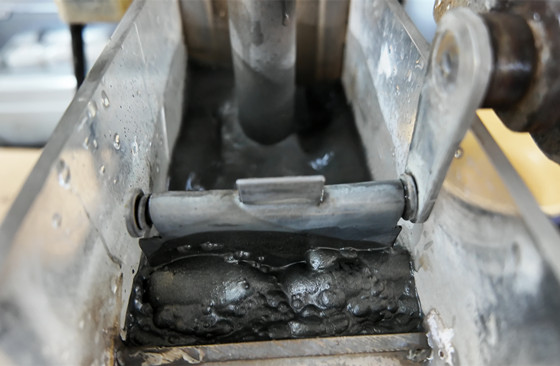
Zinc Flotation
After copper and lead recovery, copper sulphate is commonly used to activate zinc minerals, followed by the addition of collectors and frothers. Zinc flotation may include roughing, cleaning and scavenging stages to improve both recovery and concentrate grade.
02Bulk-Selective Flotation of Copper-Lead-Zinc Ores
Process Principle of Bulk-Selective Flotation
In bulk-selective flotation, copper, lead and zinc minerals are first recovered together into a bulk concentrate. The bulk concentrate is then treated to remove residual flotation reagents before being separated into individual concentrates.
The general process is:
Bulk flotation → Reagent removal → Copper-lead-zinc separation
This flowsheet is often considered for ores where the valuable minerals are closely intergrown or difficult to separate directly during the initial flotation stage.
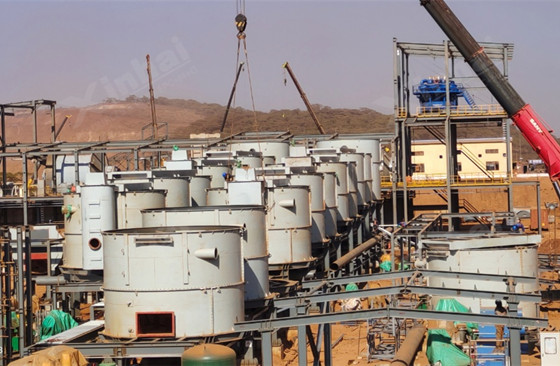
Bulk Flotation and Reagent Removal
Collectors and frothers are added to recover the valuable sulphide minerals into a bulk concentrate. After bulk flotation, residual reagents may interfere with subsequent selective separation.
Depending on the ore and process requirements, the bulk concentrate may therefore undergo thickening, washing, scrubbing or other treatment to reduce the influence of residual reagents.
Copper-Lead-Zinc Separation
The treated bulk concentrate is then separated through a series of selective flotation stages. The reagent regime and separation sequence should be determined through mineralogical analysis and flotation testwork rather than applied as a fixed formula.
03Partial Bulk-Selective Flotation for Copper-Lead-Zinc Sulphide Ores
Process Principle
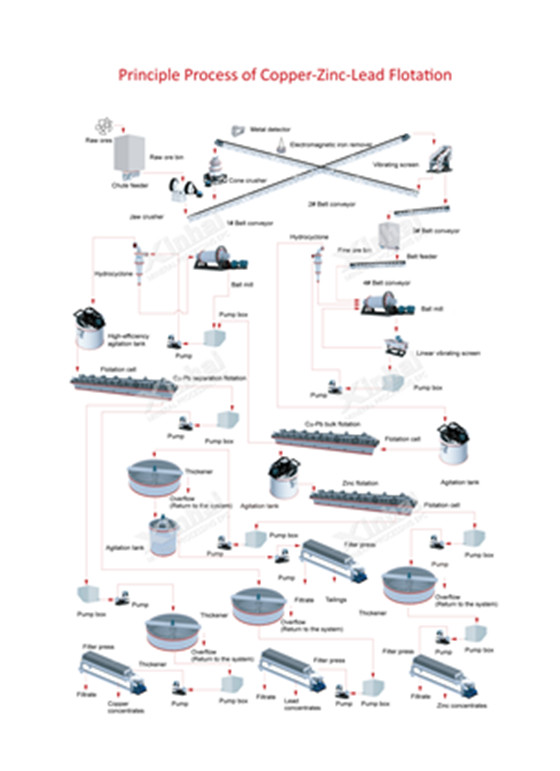
Partial bulk-selective flotation combines bulk and selective flotation. Copper and lead are first recovered together, separated from zinc, and then separated from each other. Zinc is subsequently recovered from the flotation tailings.
A typical flowsheet is:
Cu-Pb bulk flotation → Cu-Pb separation → Zinc flotation
This approach can be effective when copper and lead have similar flotation behaviour but can be separated from zinc more readily.
Copper-Lead Bulk Flotation
During Cu-Pb bulk flotation, Ty-1 and zinc sulphate can be used as depressants to suppress zinc minerals, while ethyl xanthate and J-21 promote the recovery of copper and lead minerals.
Lime is added to condition the pulp and establish a suitable pH. Froth characteristics are carefully controlled to maintain stable flotation conditions and reduce the entrainment of unwanted minerals.
The dosage and addition sequence of these reagents should be adjusted according to the mineralogical characteristics and flotation response of the ore.
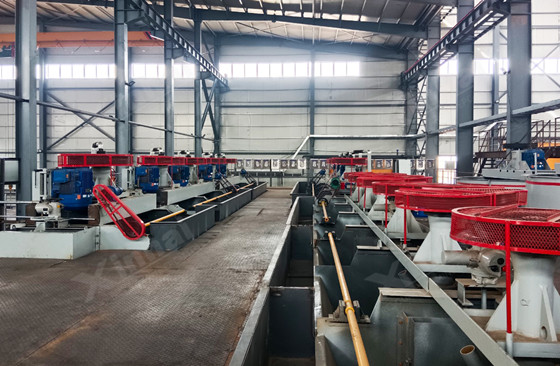
Copper-Lead Separation
After bulk flotation, the copper-lead concentrate is subjected to selective separation. A common approach is to depress lead while floating copper.
In this stage, ethyl xanthate can be used as the collector, while No. 2 oil is added as a frother to promote stable froth formation and copper recovery.
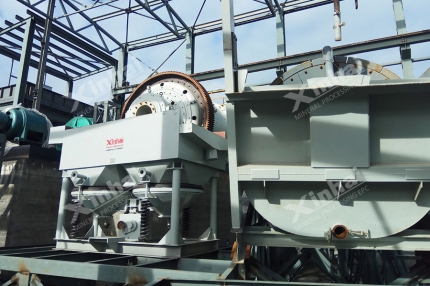
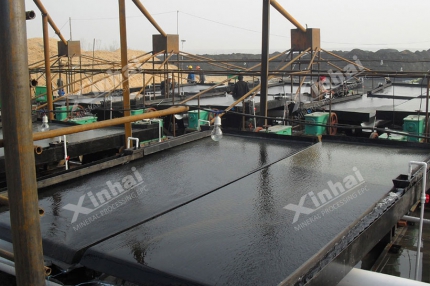
Where appropriate, a shaking table or other supplementary separation equipment may also be incorporated into the circuit according to the characteristics of the ore.
Zinc Flotation
Zinc is recovered from the tailings after Cu-Pb flotation. Lime, copper sulphate, butyl xanthate and No. 2 oil can be used to condition the pulp and promote zinc flotation.
Copper sulphate activates the zinc minerals, while butyl xanthate acts as a collector and No. 2 oil helps produce a stable froth. The zinc flotation circuit typically includes roughing, cleaning and scavenging stages.
04Iso-Flotation for Copper-Lead-Zinc Ore
Process Principle of Iso-Flotation
Iso-flotation, or floatability-based flotation, separates minerals according to their differences in floatability rather than strictly following their mineral type.
The general principle is to first recover readily floatable minerals, followed by the recovery of more difficult-to-float minerals.
Recovery of Readily Floatable Minerals
In the first stage, flotation conditions are controlled to recover minerals with relatively good floatability. The reagent dosage and pulp conditions are kept moderate to avoid excessive flotation of less floatable or unwanted minerals.
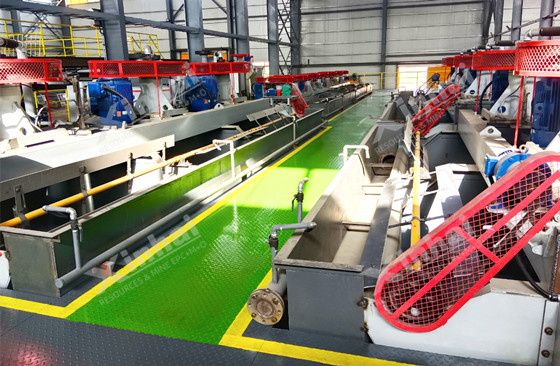
Recovery of Difficult-to-Float Minerals
After the readily floatable minerals have been recovered, the flotation conditions are adjusted to improve the recovery of more difficult-to-float minerals.
This method can be useful when copper, lead and zinc minerals show significant differences in floatability. However, the actual reagent regime and separation sequence must be determined according to the ore mineralogy and test results.
05Copper-Lead-Zinc Flotation Flowsheet Comparison
Flotation Flowsheet | Main Principle | Typical Application |
Preferential Flotation | Separate minerals sequentially | Clear differences in floatability |
Bulk-Selective Flotation | Bulk recovery followed by separation | Closely intergrown polymetallic ores |
Partial Bulk-Selective Flotation | Cu-Pb bulk flotation followed by separation | Cu-Pb minerals are easier to bulk than separate directly |
Iso-Flotation | Separate according to floatability | Significant differences in mineral floatability |
06How to Choose the Right Copper-Lead-Zinc Flotation Process
There is no single flotation flowsheet suitable for every copper-lead-zinc ore. Several factors should be considered before selecting a process:
Mineralogy and Liberation
The mineral composition, grain size, degree of liberation and intergrowth relationships determine how easily valuable minerals can be separated.
Grinding Conditions
Ore grinding must provide sufficient liberation without producing excessive slimes, which may negatively affect flotation selectivity and recovery.
Reagent Regime
The selection, dosage and addition sequence of collectors, depressants, activators and frothers can significantly affect flotation performance.
Flotation Circuit Design
The number of roughing, cleaning and scavenging stages should be determined according to the required concentrate grade and recovery.
Metallurgical Testwork
Laboratory and pilot-scale testwork is essential for verifying the performance of the proposed flowsheet and optimising reagent consumption, grinding conditions and flotation parameters.
07Conclusion: Testwork Comes Before Flowsheet Selection
Preferential flotation, bulk-selective flotation, partial bulk-selective flotation and iso-flotation each have their own advantages and application conditions. The most suitable copper-lead-zinc flotation process should be selected according to the specific mineralogy, liberation characteristics and flotation behaviour of the ore.
For a reliable flowsheet, mineralogical analysis and flotation testwork should come before final process selection.
Talk to Xinhai Mining about your copper-lead-zinc ore flotation project.
 marketing@xinhaimining.com
  0086 13810327080








 CHAT
CHAT MESSAGE