For decades, molybdenum has been best known as the element that makes steel stronger, more corrosion-resistant, and better able to handle high temperatures. Because of that, its fortunes have largely followed the ups and downs of the global steel industry.
But the story is quietly starting to broaden. Recent developments in semiconductor manufacturing have brought molybdenum into one of the most dynamic corners of modern technology. As chipmakers push for higher-density memory with more layers, molybdenum is emerging as a strong candidate to replace tungsten in certain interconnect applications—thanks to its superior electrical properties at the tiniest scales.
While this new use is still modest in volume, it points to something bigger: molybdenum is moving beyond its traditional industrial role and gaining ground as a strategic material in advanced manufacturing.
For mining companies and project developers, the natural question is: how might these shifts in downstream demand influence the long-term value of molybdenum assets?
Use the table of contents below to navigate through the guide:
01Molybdenum Prices Are Rising—But Steel Remains the Foundation
Recent price strength in molybdenum has attracted attention, yet the core drivers are still industrial rather than speculative. Steel continues to dominate, accounting for roughly 70-75% of global consumption, particularly in high-strength low-alloy (HSLA) steels, stainless grades, tool steels, and specialty applications for energy infrastructure, wind power, petrochemicals, transportation, and defense.
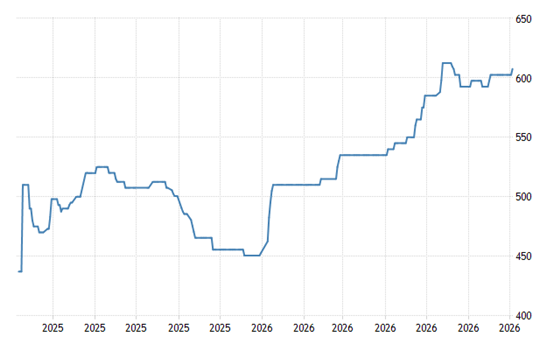
Supply growth remains constrained. Much of the world’s molybdenum is produced as a by-product of copper mining, meaning output responds more to copper economics than to moly prices alone. Environmental regulations, permitting delays, and long development timelines for new projects further limit rapid expansion. This structural tightness supports a higher long-term price floor even as traditional demand stays resilient.
Semiconductor demand currently adds only a modest volume tailwind, but it enhances the metal’s strategic appeal and opens doors for higher-purity, higher-margin products.
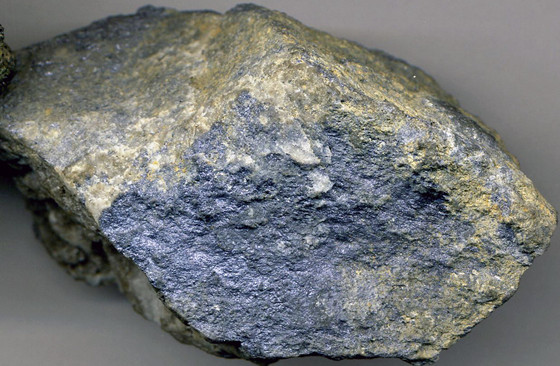
Molybdenum Market at a Glance:
Indicator | Current Trend |
Primary Demand | Specialty Steel (~75%) |
Emerging Demand | Semiconductor Manufacturing (high-value) |
Supply Growth | Limited (by-product + long lead times) |
Price Outlook | Higher long-term price floor |
Mining Focus | Recovery rates, cost efficiency & process optimization |
This balanced outlook underscores why efficient molybdenum beneficiation and processing are becoming decisive competitive advantages.
02Why Semiconductor Applications Matter for the Broader Industry?
Although semiconductor-related molybdenum consumption remains limited today, its importance goes beyond tonnage. Advanced memory and logic devices demand materials that deliver lower resistivity at nanoscale dimensions and better compatibility with complex deposition processes. Molybdenum meets these needs in specific high-layer applications where tungsten begins to reach its physical limits.
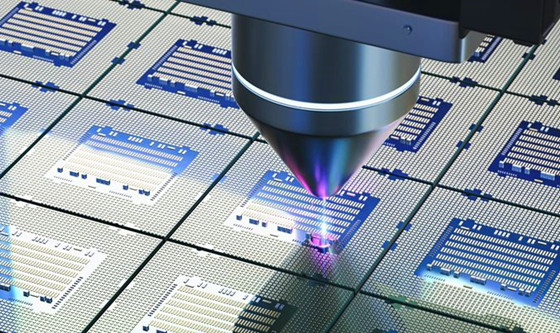
This shift re-positions molybdenum in the eyes of the market. Producers who can reliably deliver high-purity concentrates or processed materials gain access to premium segments in electronics, aerospace, energy transition technologies, and precision manufacturing. For mining projects, it means future success will depend not only on ore grade but also on the ability to consistently meet evolving quality specifications through superior molybdenum processing.
03What This Means for Molybdenum Mining Projects?
In a market where downstream users increasingly value quality and consistency, project economics hinge heavily on operational efficiency. Improving metal recovery, concentrate grade, and cost control directly lifts project NPV and resilience across price cycles.
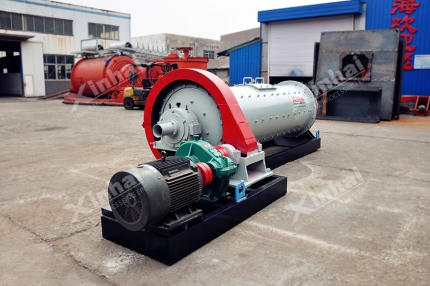
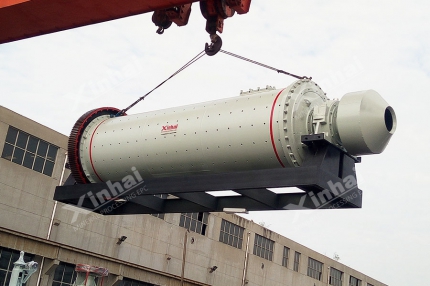
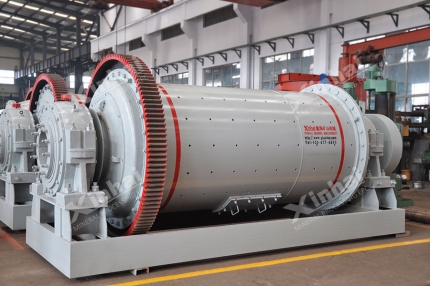
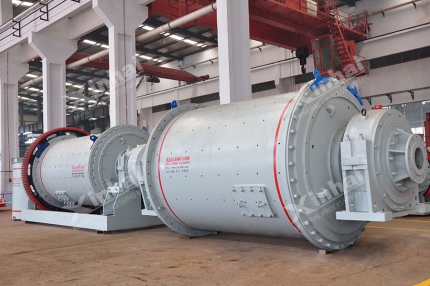
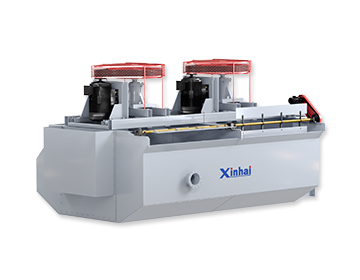
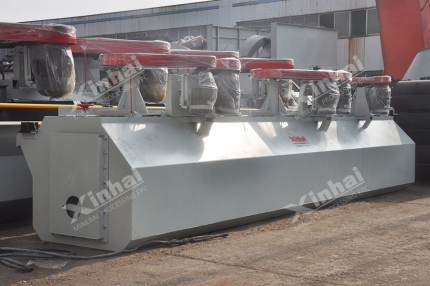
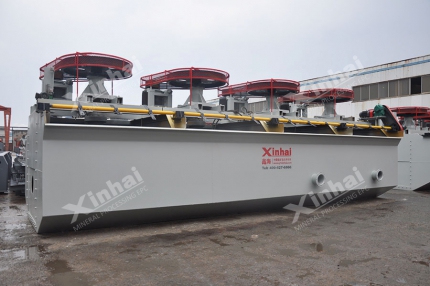
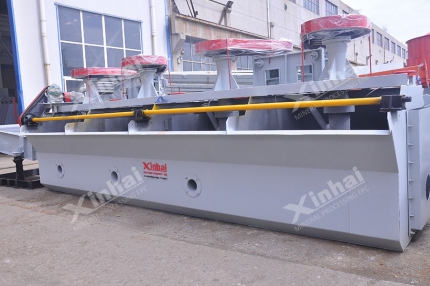
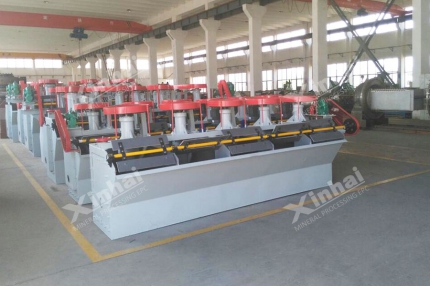
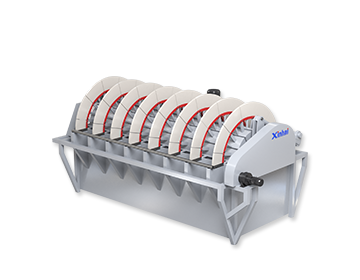
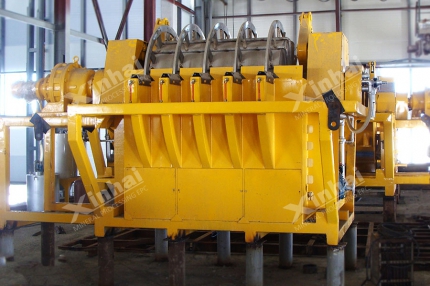
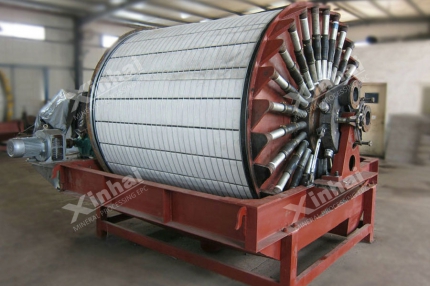
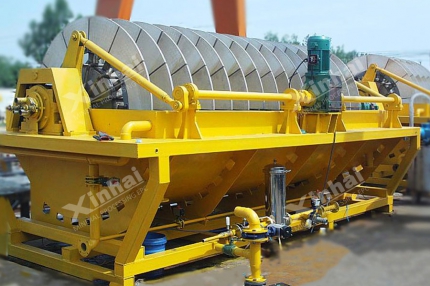
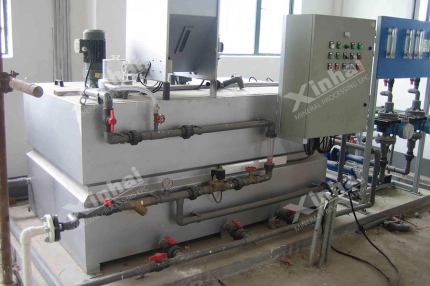
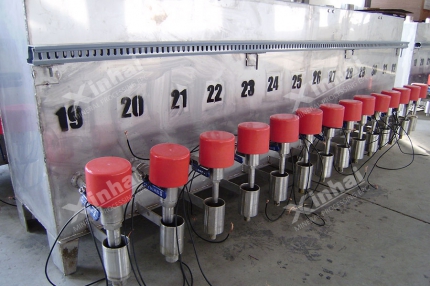
Ore mineralogy varies significantly between deposits, so molybdenum ore beneficiation process flowsheets must be tailored rather than generic. Factors such as liberation characteristics, gangue minerals, oxidation levels, and flotation behavior all influence outcomes. This is why thorough mineral processing testwork forms the foundation of successful molybdenum projects — it provides the data needed to optimize grinding fineness, reagent schemes, flotation circuit configuration, concentrate dewatering, and tailings management.
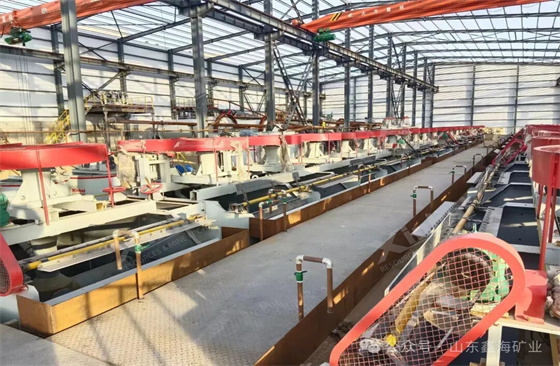
Projects that achieve higher recovery rates while controlling operating costs are better positioned to capture value, whether the end demand comes from steel or emerging high-tech applications.
04Proven Experience in Molybdenum Projects
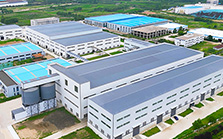
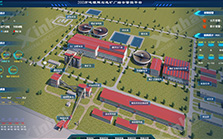
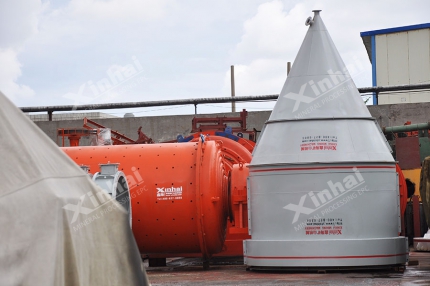
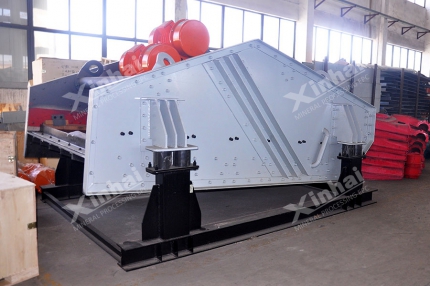
Successful molybdenum projects require more than reliable equipment—they depend on tailored process development and effective project execution. With extensive experience in molybdenum and polymetallic ores, Xinhai Mining Group provides integrated solutions covering mineral processing testwork, engineering design, equipment manufacturing, mineral processing EPC services, and mine operation support.
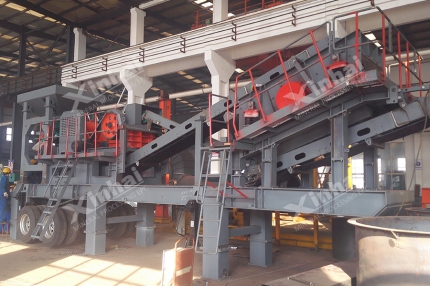
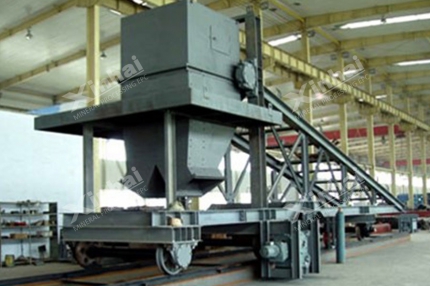
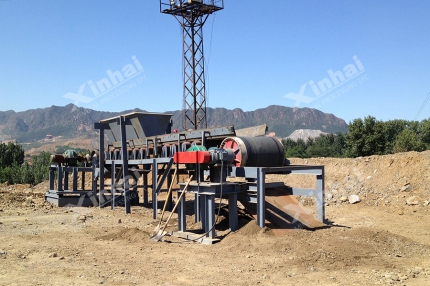
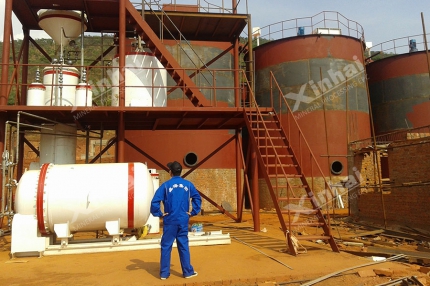
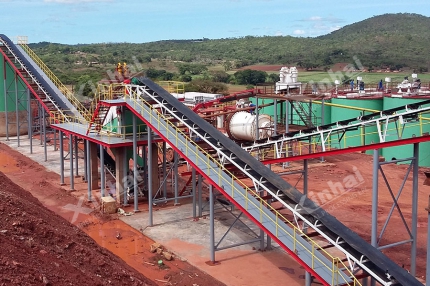
Xinhai's expertise is backed by practical project experience. In Kazakhstan, Xinhai completed a sulfide copper-molybdenum beneficiation testwork project, optimizing the flotation process to support subsequent plant design. In Zhangjiakou, Hebei Province, China, Xinhai delivered a 4,000 t/d molybdenum Mining EPC project, providing integrated mining engineering services to support efficient mine development.
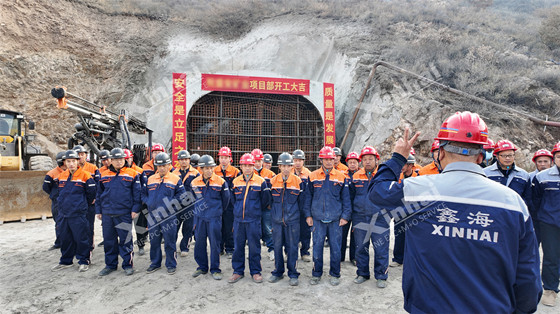
(Turnkey Mining Project for the 4,000 t/d Molybdenum Mine in Zhangjiakou)
By combining technical expertise with hands-on project experience, Xinhai helps clients develop molybdenum resources more efficiently while creating a solid foundation for long-term project success.
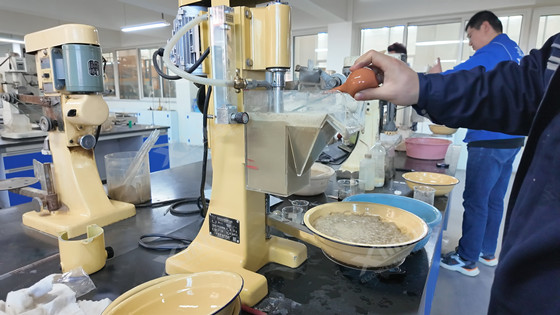
(Kazakhstan, Copper-Molybdenum Sulfide Ore Beneficiation Pilot Project)
Conclusion
Whether future demand growth comes from specialty steel, renewable energy infrastructure, advanced manufacturing, or semiconductor applications, one conclusion is becoming increasingly clear: the value of a molybdenum resource will depend not only on what lies underground, but also on how efficiently and consistently it is transformed into a marketable, high-quality product.
As molybdenum continues its transition from a traditional alloying metal to a strategic material, mining companies that combine solid resources with advanced molybdenum beneficiation and processing technology will be better positioned to capture the opportunities of the next growth cycle.
 marketing@xinhaimining.com
  0086 13810327080










 CHAT
CHAT MESSAGE