After working on multiple mineral processing projects—some successful, some painfully educational—I’ve learned one thing the hard way:
equipment selection is rarely where projects fail first, but it is often where problems quietly begin.
On paper, most mineral processing equipment looks similar. Capacity numbers are clear, catalog parameters look reassuring, and suppliers promise performance. But once a plant starts running, reality sets in. Recovery drops, wear accelerates, operators struggle, and suddenly the question becomes: “Where did we go wrong?”
In many cases, the answer lies in decisions made long before commissioning. Below are five mistakes I have repeatedly seen in mineral processing equipment selection—and what experienced engineers do differently.
Use the table of contents below to navigate through the guide:
01Mistake 1 — Ignoring the Characteristics of the Ore
Engineers know this in theory, but in practice it’s often underestimated: the ore dictates the equipment, not the other way around.
Hardness, clay content, moisture, liberation size, mineral associations, and abrasiveness all determine how crushing, grinding, and separation equipment will actually behave. Two ores with the same grade can behave completely differently in a mill or flotation circuit.
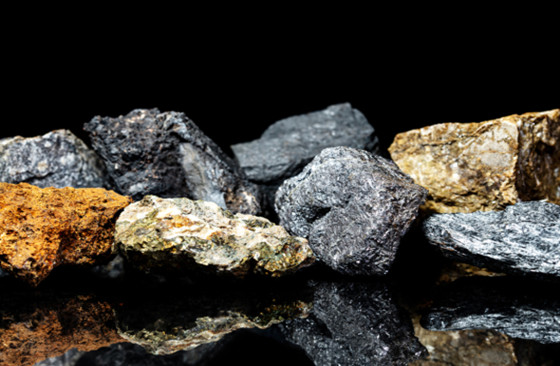
I’ve seen plants where:
Crushers wore out months earlier than expected
Mills never reached design capacity
Flotation performance fluctuated daily with feed changes
In most cases, the equipment itself wasn’t “bad”—it simply wasn’t designed for that ore.
Real Case: High-Sulfur Iron Ore in Hebei
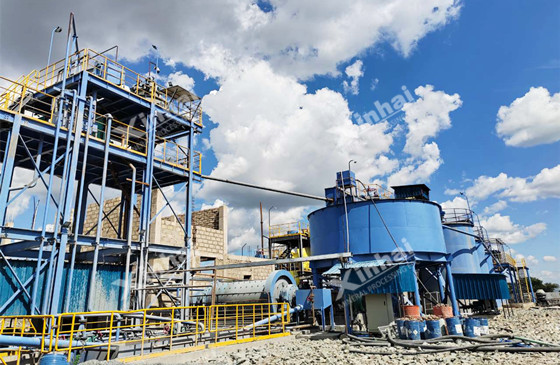
A Hebei-based mining company faced a critical issue: its 2000t/d iron concentrate plant produced ore with unacceptably high sulfur content, failing to meet downstream industry standards. Initially, the company had selected standard flotation equipment without testing the ore’s sulfur composition—assuming it would work for generic iron ore. The result? Sulfur levels remained 3x above the required threshold, and the flotation cells suffered excessive wear due to the ore’s unexpected abrasiveness.
How to Avoid This Mistake?
The solution lies in thorough pre-selection testing and data-driven decision-making:
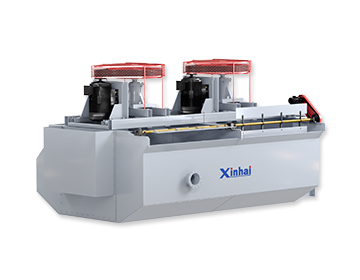
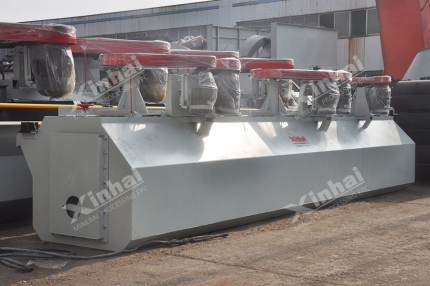
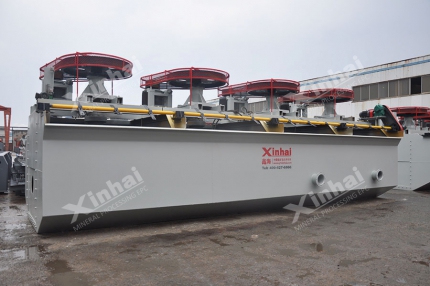
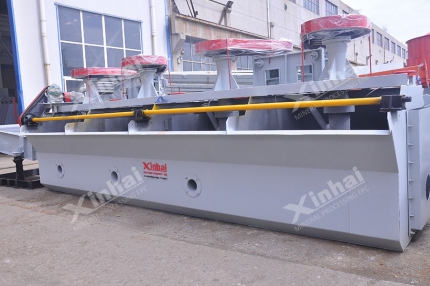
1. Conduct laboratory and pilot tests: Xinhai Mining’s team stepped in to analyze the Hebei client’s ore, identifying its high sulfur content and abrasive nature. Through pilot tests, they recommended a customized desulfurization process paired with Xinhai’s KYF & XCF flotation cells—engineered with wear-resistant components and optimized for high-sulfur ore separation.
2. Leverage geological data: Work with your geological team to gather detailed ore property reports. Xinhai’s engineering consulting services interpret this data to design tailored solutions.
3. Choose ore-specific equipment: Opt for machinery engineered for your ore type. For the Hebei project, Xinhai’s customized flotation cells and process adjustments reduced sulfur content to acceptable levels, while the wear-resistant liners cut maintenance costs by 40%.
02Mistake 2 — Choosing Equipment Only Based on Price
Every project has budget pressure. But when equipment decisions are driven mainly by upfront cost, the plant often pays for it later—quietly, every day, in operating losses.
Lower-priced mineral processing equipment may work initially, but over time:
These costs rarely appear in the original budget.
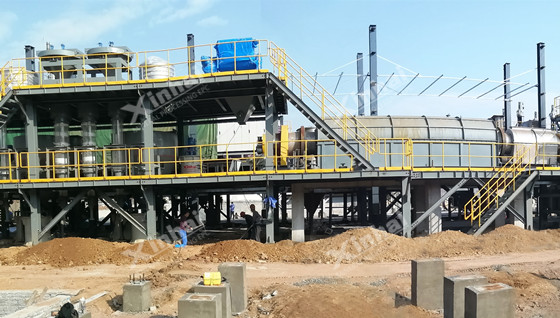
From an engineering standpoint, the real cost of equipment includes:
Power draw per ton processed
Frequency of liner and part replacement
Downtime during maintenance
Impact on downstream processes
How to Avoid This Mistake?
Instead of asking “How much does it cost?”, experienced engineers ask:“What does it cost to run, maintain, and live with for the next 10 years?”
Life-cycle cost analysis gives a far more honest picture than purchase price alone.
03Mistake 3 — Overlooking Equipment Compatibility and Process Flow
Mineral processing is a complex, interconnected system—where crushers, mills, classifiers, flotation cells, and thickeners must work in harmony. A single incompatible piece of equipment can disrupt the entire process, creating bottlenecks and reducing productivity.
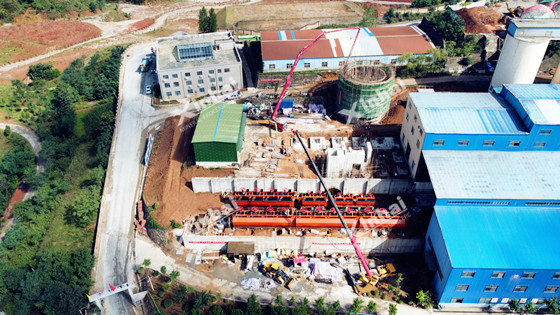
Xinhai’s EPC+M+O approach emphasizes system integration, as seen in Henan’s 1500t/d polymetallic ore expansion project. The client needed to add a new production line adjacent to two existing 900t/d lines—without interrupting operations. The key challenge: ensuring the new equipment (crushers, ball mills, flotation cells) integrated seamlessly with the old system.
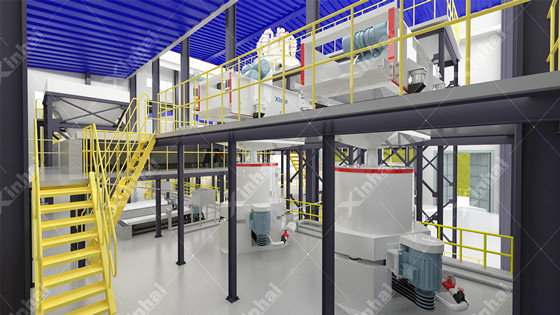
Overlooking compatibility leads to avoidable problems:
Capacity bottlenecks: A high-capacity crusher paired with a low-capacity mill causes ore piling.
Uneven feed distribution: Mismatched pumps starve or overwhelm downstream equipment.
Inefficient processing: Oversized or undersized ore from mismatched equipment reduces recovery.
Real Case: Henan Polymetallic Ore Expansion
The Henan client initially considered mixing equipment from multiple suppliers to cut costs—opting for a third-party crusher and Xinhai’s ball mills. During pre-installation simulation, Xinhai’s engineering team discovered a critical issue: the third-party crusher’s output particle size was too large for Xinhai’s ball mills, creating a bottleneck that would reduce overall throughput by 30%. Additionally, the crusher’s feed rate was incompatible with the existing lines, risking disruptions to ongoing production.
How to Avoid This Mistake?
Achieving seamless integration requires careful planning and professional expertise:
1. Use process simulation tools: Xinhai’s team used advanced software to model the Henan project’s entire flow, identifying the crusher-ball mill mismatch. They recommended replacing the third-party crusher with Xinhai’s compatible model, which was sized to match the ball mills’ capacity and the existing lines’ feed rates.
2. Choose a full-service supplier: Xinhai’s EPC+M+O services cover everything from design to commissioning, ensuring all components work together. For the Henan project, the integrated system delivered on-time completion, zero operational disruptions, and a 15% higher throughput than projected.
3. Validate with pilot tests: Pilot plant operations help resolve compatibility issues before full-scale implementation.
04Mistake 4 — Not Considering Scalability and Future Expansion
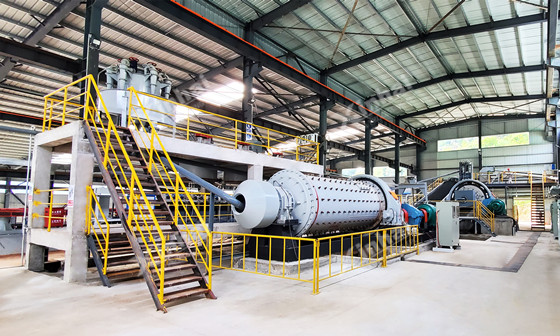
No mine stays the same. Ore grades change. Throughput targets increase. New zones come online. Equipment selected only for today often becomes tomorrow’s constraint.
Failing to consider scalability exposes your operation to significant risks:
How to Avoid This Mistake?
Seasoned engineers:
Build reasonable capacity buffers
Prefer modular, expandable equipment
Ask early: “What happens if throughput increases by 20%?”
Designing with the future in mind is far cheaper than rebuilding later.
05Mistake 5 — Underestimating Maintenance and Technical Support Needs
Even well-selected mineral processing equipment will fail without proper maintenance and guidance. Many plants struggle not because of design flaws, but because support disappears after delivery.
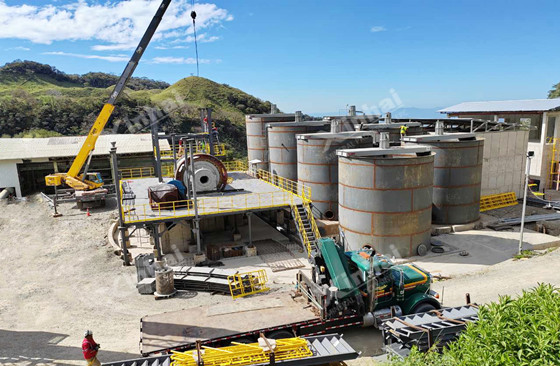
Xinhai’s global service network is a key differentiator. For Mexico’s 1200t/d gold cyanide concentrator project, the client had previously worked with a supplier that offered no local support—leading to 3-week downtime when a leaching tank failed. When expanding to the gold project, the client prioritized Xinhai’s local Mexican service team.
Underestimating support needs leads to costly issues:
Long downtime: Lack of local support leaves you waiting for repairs.
Incorrect operation: Untrained operators cause excessive wear.
Unplanned costs: Emergency repairs are far more expensive than scheduled maintenance.
Real Case: Mexico 1200t/d Gold Plant
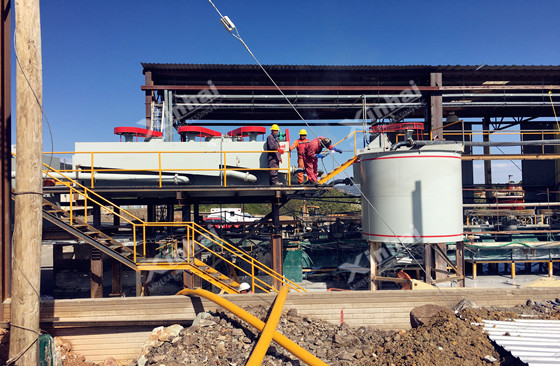
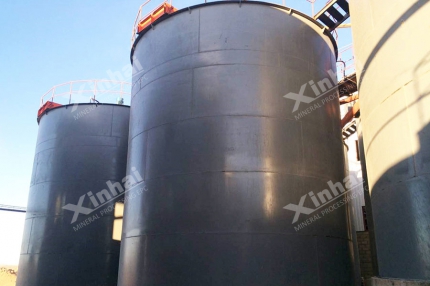
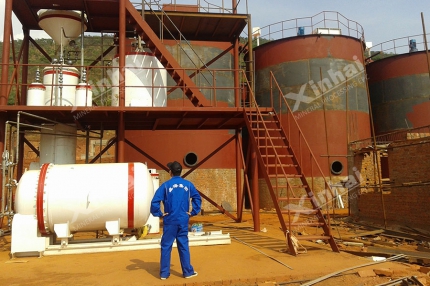
During the Mexico project’s commissioning phase, the client’s operators struggled with the double-impeller leaching tank’s controls—risking inefficient gold leaching. Xinhai’s local service team responded within 48 hours, providing on-site training and adjusting the equipment’s settings. Later, when a slurry pump required a replacement part, Xinhai’s global procurement network delivered it in 7 days (compared to the previous supplier’s 3-week lead time). The result: downtime was reduced by 90%, and gold recovery hit 94%.
How to Avoid This Mistake?
To ensure reliable maintenance and support:
Choose suppliers with local service teams: Xinhai has teams in Asia, Africa, the Americas, and Europe to provide on-site help.
Evaluate warranty and spare parts supply: Xinhai offers comprehensive warranties and maintains spare parts stocks. For the Mexico project, this meant minimal downtime and predictable maintenance costs.
Invest in training: Xinhai’s mine operation management services include operator training. The Mexico client’s team became proficient in equipment use, reducing wear and improving efficiency.
Conclusion
Selecting the right mineral processing equipment is a decision that impacts every aspect of your mining operation—from recovery rates and operating costs to long-term profitability. By avoiding the five mistakes outlined above—ignoring ore characteristics, choosing based solely on price, overlooking compatibility, neglecting scalability, and underestimating maintenance needs—you can ensure that your equipment investment delivers maximum value.
You can reach out to Xinhai Mining to talk through your project conditions and see whether any adjustments are worth considering.
 marketing@xinhaimining.com
  0086 13810327080





 CHAT
CHAT MESSAGE