When a plant owner decides to retrofit, the first instinct is usually to buy new equipment or build a new section. The experience behind two recent retrofit designs by Xinhai Design Institute suggests a different starting point: in an existing plant, the highest-value decisions are usually about location and reuse — where in the existing flowsheet a new stage should be inserted, and which of the installed machines are still worth keeping. This article walks through both decisions using two independent projects: a pre-concentration retrofit in Inner Mongolia and a full grinding–flotation–dewatering upgrade in Xinjiang.
Use the table of contents below to navigate through the guide:
01Inserting Pre-Concentration Between Screening and Fine Crushing
Pre-concentration — rejecting waste rock before it consumes grinding and concentration capacity — is easiest to justify where the ore already shows a recognizable contrast between ore and waste. But in an operating plant, the practical question is not whether to sort; it is where the sorting stage can be attached without rebuilding the plant.
At a gold plant in Inner Mongolia, the answer was the interface between primary screening and fine crushing. In the original flowsheet, screen oversize returned directly to fine crushing. The retrofit design inserts two optical intelligent sorting machines at this exact point, with a design treatment capacity of 160 t/h. Screen oversize now passes through the sorting system first: waste rock is discharged to a waste bin and hauled away, while material meeting quality requirements returns to fine crushing over the existing belt conveyor.
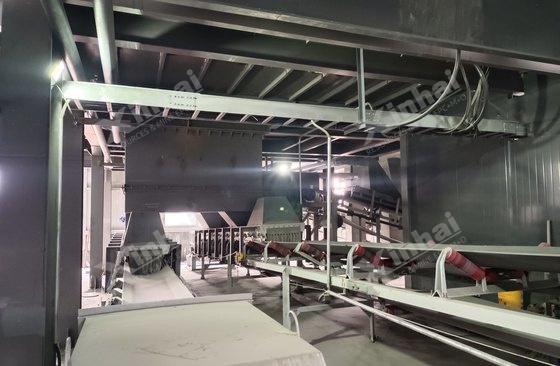
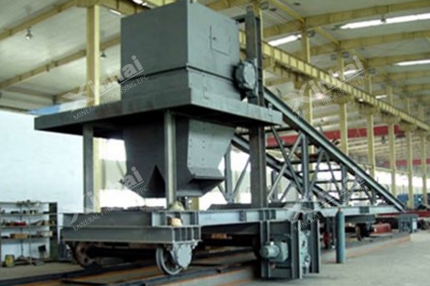
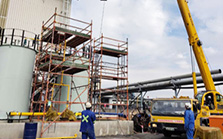
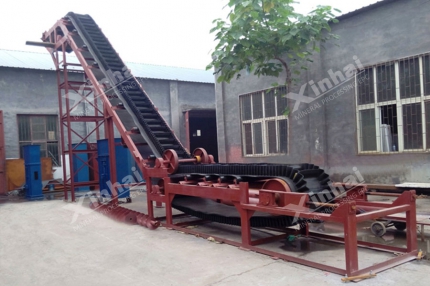
Conveyor transfer point in the screening and fine crushing circuit of the Inner Mongolia plant.
The sorting machines are only part of the design. Because the new stage sits inside an operating plant, the design had to coordinate four disciplines — mineral processing, civil engineering, heating-ventilation and dust collection, and electrical power — and to close three supporting loops: waste storage and haulage, dust extraction around the sorting units, and power supply. This is where a retrofit differs from a greenfield design: every new machine arrives with interfaces that must land on an existing plant.
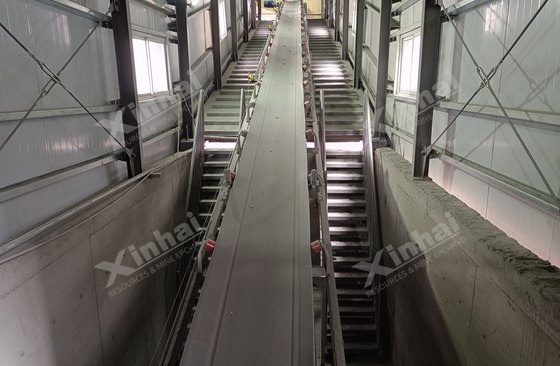
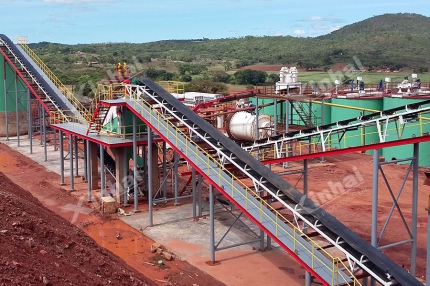
Enclosed conveyor gallery that returns sorted material to the existing fine crushing stage, Inner Mongolia plant.
02Reuse or Replace: Evaluating Existing Equipment in a 4,000 t/d Retrofit
The second decision — which existing equipment to keep — is more familiar and more frequently got wrong. Reuse too much, and the new flowsheet inherits old bottlenecks. Replace too much, and the retrofit pays for capacity the plant did not need. At a 4,000 t/d gold plant in Xinjiang, Xinhai Design Institute organized the answer as a four-step sequence: assess the existing equipment, define the reuse scope, configure the new equipment, verify the system interfaces.
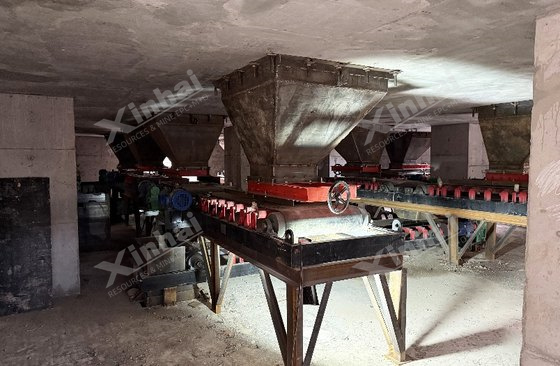
New fine ore bin with belt feeders supplying the two grinding series at the 4,000 t/d gold plant in Xinjiang.
The resulting configuration shows how new and retained equipment share one flowsheet. On the crushing side, a new transfer conveyor connects the existing crushing system to a new fine ore bin, which feeds two grinding series.
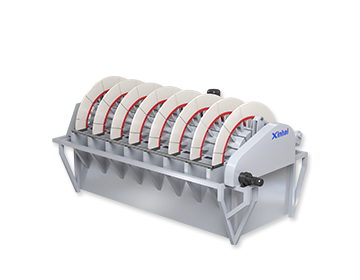
Grinding uses a single-stage grinding circuit with two-stage classification in closed circuit. Flotation runs as a single series with one roughing, three scavenging and four cleaning stages: new rougher and scavenger flotation cells were added, while the existing cleaner flotation cells and the existing thickener were retained and modified for the new duty. For dewatering, the gold concentrate passes through two mechanical stages — thickening and filter pressing — with additional filter press capacity configured alongside the owner's existing filter press equipment. Thickener overflow returns to the water recycling system, and tailings are routed into the existing tailings system.
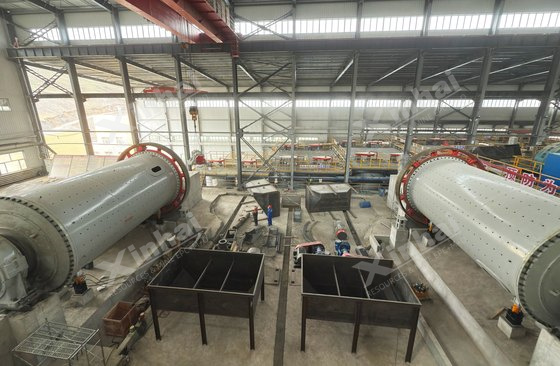
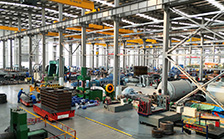
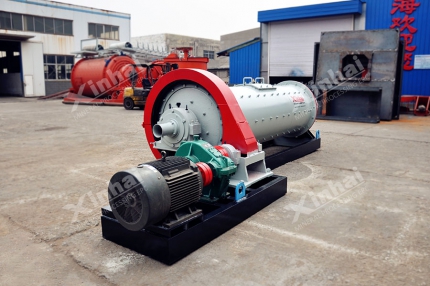
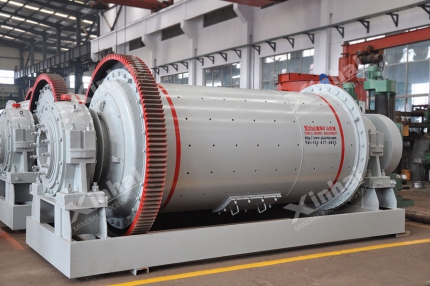
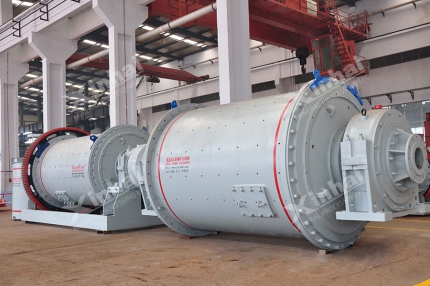
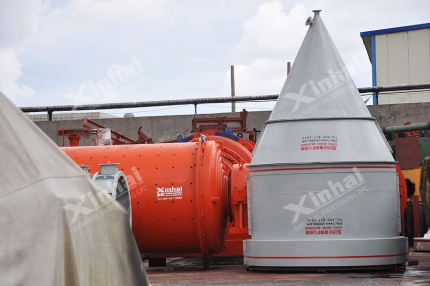
Grinding workshop with two mill series at the 4,000 t/d gold plant in Xinjiang.
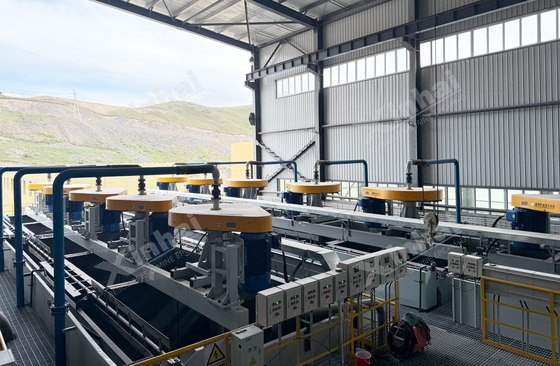
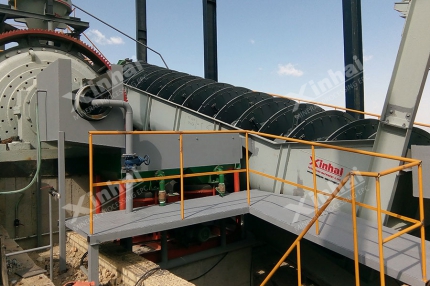
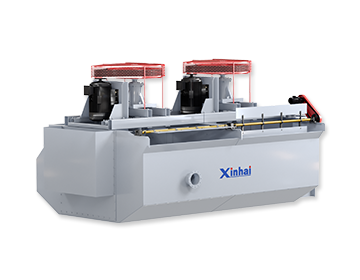
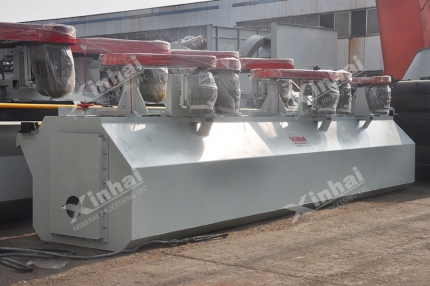
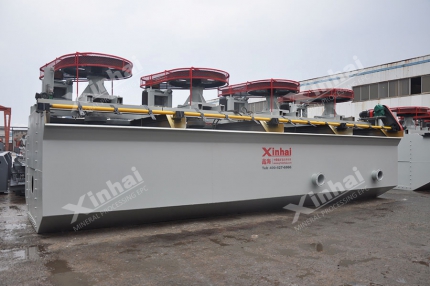
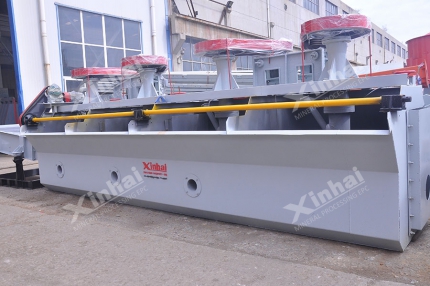
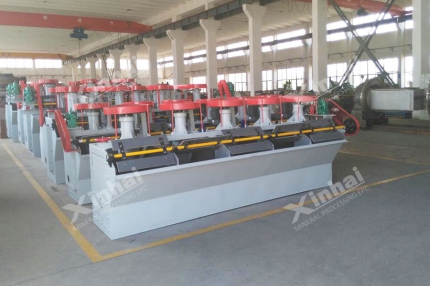
Flotation workshop at the Xinjiang plant: new rougher–scavenger cells operate alongside the retained and modified cleaner cells
Two scope notes matter for reading this project correctly. First, 4,000 t/d is the engineering design scale of the retrofit, not a net capacity increase. Second, civil engineering and plant buildings are outside the contracted scope; the institute provides the relevant design conditions and data to the owner for that part. What the project demonstrates is the method: a retrofit that starts from an honest assessment of what the existing plant can still do, and spends the new investment only where the old plant falls short.
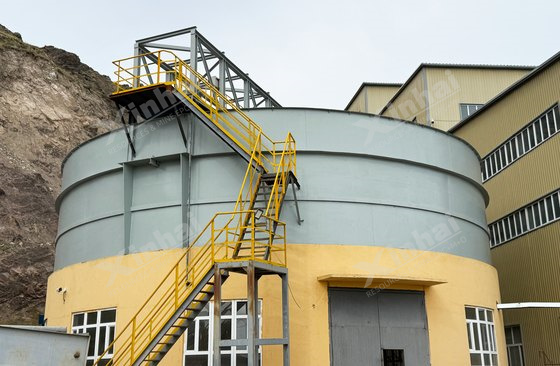
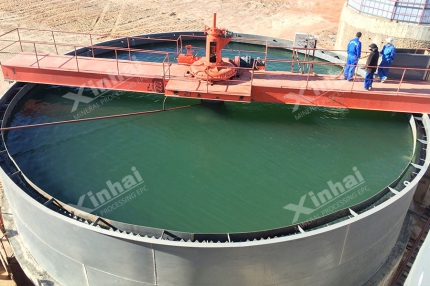
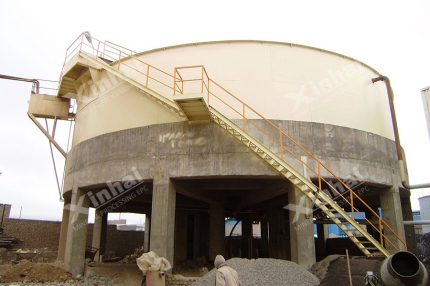
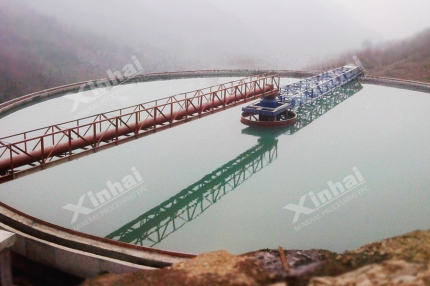
The existing thickener, retained and modified for the new duty, with overflow returning to the plant water system.
03What Both Retrofits Have in Common
The two projects are independent and different in kind — one inserts a sorting stage into a crushing line, the other rebuilds a grinding–flotation–dewatering chain around retained equipment. What they share is the engineering center of gravity: in retrofit design, most of the work is interface management. A sorting stage must land on an existing screening and conveying system; new rougher–scavenger cells must mesh with modified cleaner cells, an existing thickener, existing filter presses and a live water-and-tailings system. Xinhai Design Institute handles this with in-house teams across mineral processing, civil, dust collection, electrical and related disciplines, so the interfaces are checked by the people who design both sides of them.
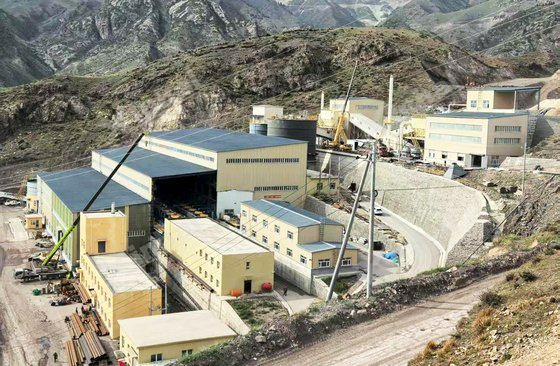
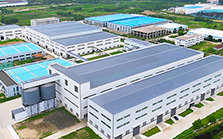
Overall plant view: in a retrofit, new equipment must land on live systems — conveying, water recycling and tailings.
If your plant is weighing a pre-concentration insertion or a grinding-flotation retrofit, the practical first step is the same in both cases: send us your existing flowsheet and equipment list, and start with an insertion-point and equipment-reuse assessment rather than a purchase order.
04Frequently Asked Questions
Does the 4,000 t/d figure represent additional capacity?
No. 4,000 t/d is the engineering design scale of the retrofit, not a net capacity increase. The design reorganizes crushing, grinding, flotation and dewatering around the existing plant, and achievable output depends on verified system performance after start-up.
Did the retrofit scope include civil works?
No. For the 4,000 t/d gold plant retrofit in Xinjiang, civil engineering and plant buildings are outside the contracted scope. The design institute provides the relevant design conditions and data to the owner for that part.
What services does Xinhai Design Institute provide for plant retrofits?
Condition survey, bottleneck analysis, scheme comparison, equipment capacity verification and multi-discipline interface coordination, covering pre-concentration, grinding-flotation and dewatering system retrofits of existing plants.
 marketing@xinhaimining.com
 0086 13810327080








 CHAT
 MESSAGE