The world is hungry for copper. Electrification, renewable energy, data centers, and grid upgrades are driving demand to new heights, making every major discovery feel like a lifeline. Against this backdrop, Peru’s La Granja project has suddenly stepped into the spotlight as one of the most significant undeveloped copper deposits on the planet — a resource of more than 4.3 billion tonnes at around 0.51% Cu, containing roughly 20–22 million tonnes of copper metal.
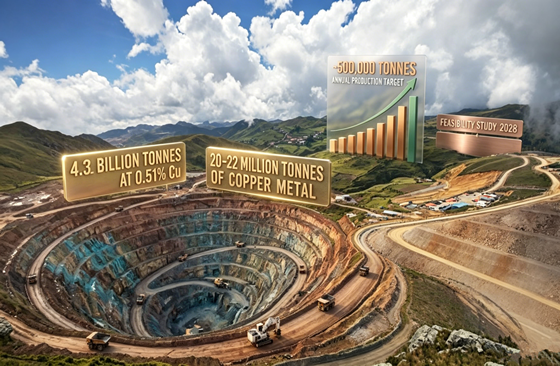
Backed by First Quantum Minerals (55%, operator) and Rio Tinto (45%), the project is expected to require an investment of about US$2.4 billion. Plans call for a large open-pit mine with a 40-year life and potential annual output of around 500,000 tonnes of copper. Feasibility and environmental studies are slated for completion around 2028, following solid progress already made in 2025 — including extensive drilling, updated resource models, baseline studies, and early community engagement.
La Granja is more than just another big deposit. It perfectly illustrates the scale, complexity, and demands of the next generation of copper mines — and the kind of integrated expertise needed to bring them to life.
Use the table of contents below to navigate through the guide:
01A World-Class Copper Deposit with Distinct Geological Advantages
La Granja is a porphyry copper deposit with a highly complex geological setting that includes both porphyry intrusions and dense hydrothermal breccia systems. In practical terms, that means the project comes with the kind of geological variability that can make mine planning and mineral processing significantly more challenging.
One of the deposit’s most interesting features is its strong chalcocite enrichment. Compared with many conventional porphyry copper deposits, chalcocite-rich ore can offer meaningful economic advantages because it generally carries higher copper grades and responds well to flotation. For a project of this scale, it can make a major difference to long-term economics.
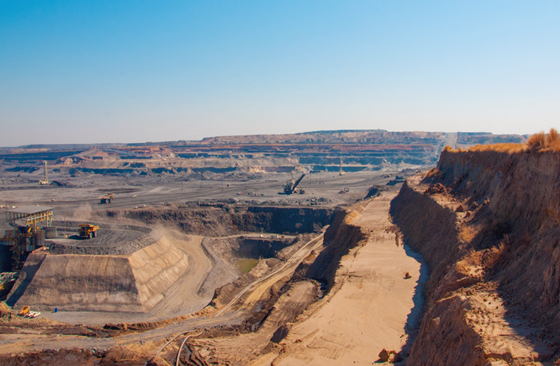
At the same time, the deposit contains arsenic-bearing minerals, which introduce another layer of complexity.
Today, arsenic is becoming an increasingly important issue in global copper production. High-arsenic concentrates can trigger smelter penalties, create stricter environmental requirements, and complicate concentrate marketing. As a result, copper projects are no longer judged only by recovery rates. Concentration quality, impurity control, and environmental compliance are becoming just as critical as throughput and production capacity.
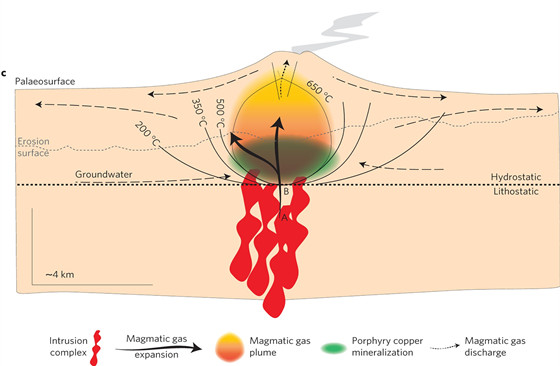
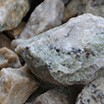
(complex porphyry copper deposit)
This is one reason why the La Granja team has focused heavily on reinterpreting historical drilling data and improving the reliability of geological validation. The project’s updated approach — integrating geological, structural, and metallurgical information into a more reliable block model — reflects a broader shift happening across the industry.
Modern copper projects increasingly depend on integrated technical collaboration rather than isolated mining or processing decisions.
02Building a Copper Mine Is Becoming More Complicated Than Ever
La Granja is already moving into an advanced development phase. By the end of 2025, the project had completed geological drilling, hydrogeological investigations, sample analysis programs, and updated resource modeling. Environmental baseline studies, logistics planning, and community resettlement programs are also moving forward simultaneously.
That parallel development process says a lot about how mining projects are evolving.
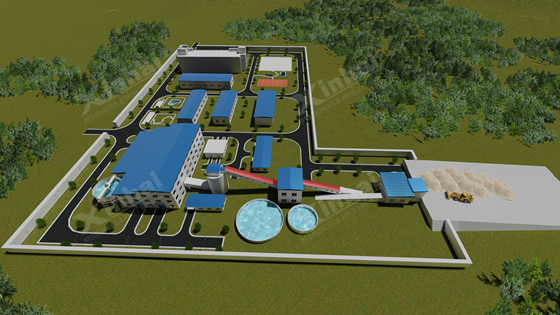
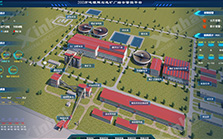
(3D rendering of a 1000tpd copper mine beneficiation plant)
In the past, companies could often focus primarily on the orebody itself. Today, large copper projects require operators to think about everything at once — geology, metallurgy, infrastructure, water management, environmental impact, logistics, community relations, and long-term operational stability.
And the larger the project becomes, the more interconnected those challenges become.
La Granja is planned as a large-scale open-pit mine with a projected operating life of around 40 years. Projects of that scale place enormous pressure on processing stability, equipment reliability, and long-term sustainability planning. Even small inefficiencies can translate into significant financial impacts over decades of operation.
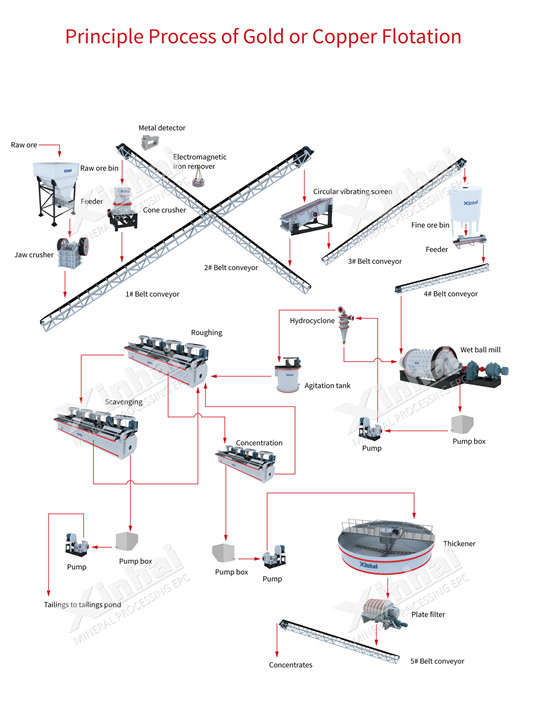
03ESG, Infrastructure, and the Future of Copper Mining
Another important lesson from La Granja is that modern copper projects are no longer evaluated solely by their copper production.
Environmental performance, water efficiency, tailings management, infrastructure reliability, and community engagement are all becoming central to project development decisions. In fact, many of these factors now directly affect financing, permitting, and long-term operational risk.
The project has already initiated environmental impact studies and community resettlement planning — a reminder that ESG considerations are now deeply connected to the economics of mining itself.
For large-scale copper mines, sustainable development increasingly means:
lower-energy processing systems,
intelligent plant management,
water recycling technologies,
safer tailings solutions,
and more efficient long-term operations.
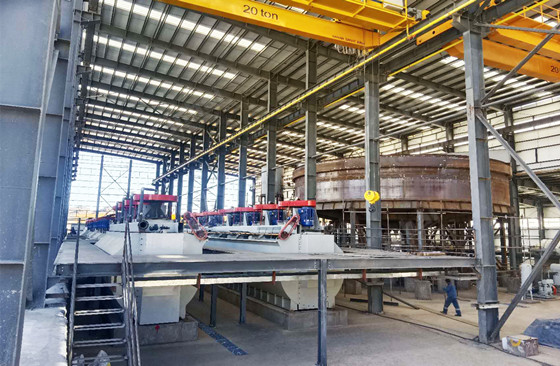
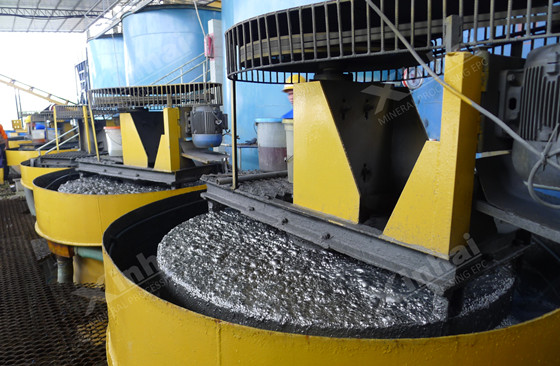
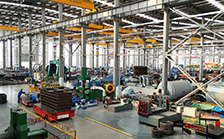
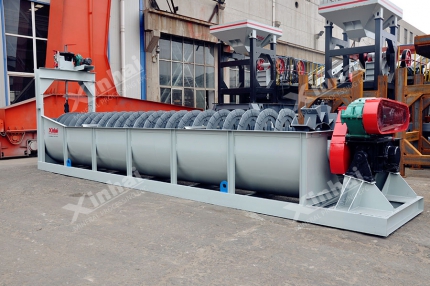
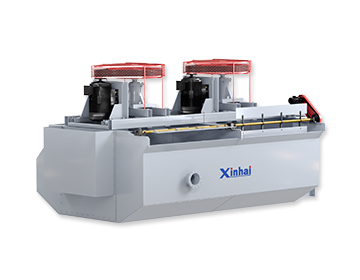
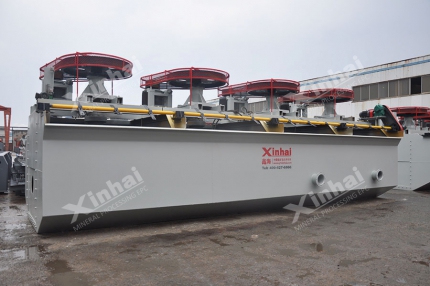
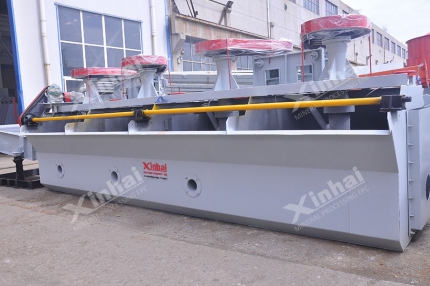
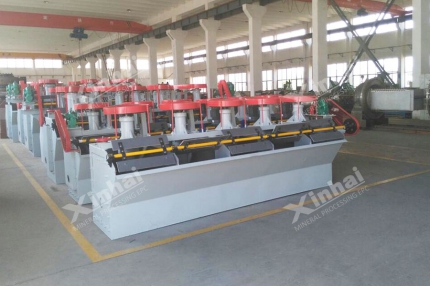
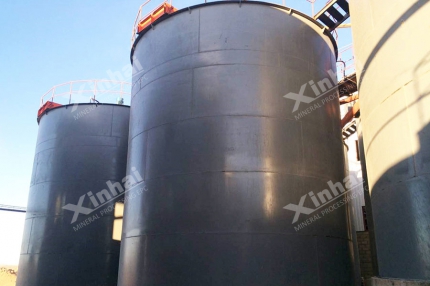
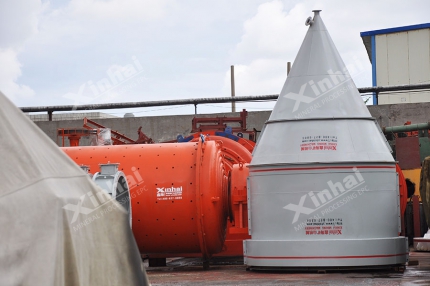
(Copper flotation processing plant)
This is another area where integrated mining engineering companies are playing a larger role.
Xinhai’s EPC+M+O model — covering Engineering, Procurement, Construction, Management, and Operation — provides single-point accountability that helps reduce risk and smooth execution. We have participated in multiple overseas copper and polymetallic mining projects, delivering customized processing solutions based on local ore characteristics and operational needs. Representative projects include copper-related operations in Peru, Chile, and Colombia.
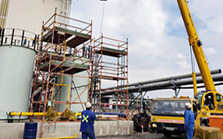
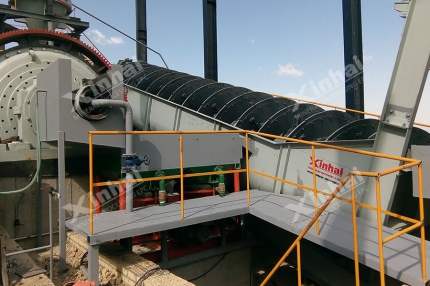
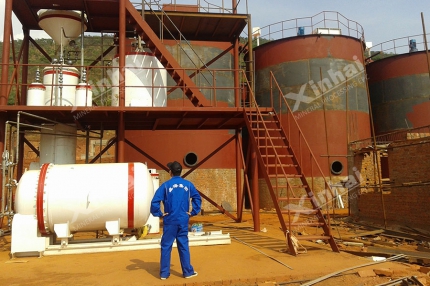
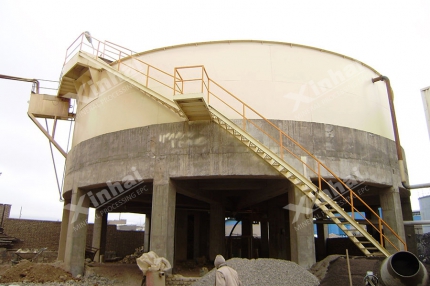
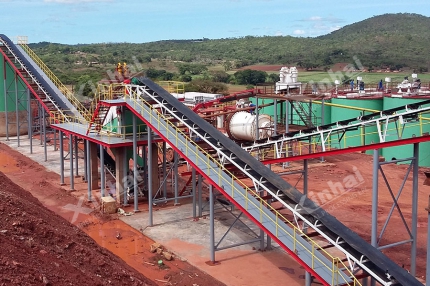
(Copper mining project site in Peru with large-scale mining infrastructure)
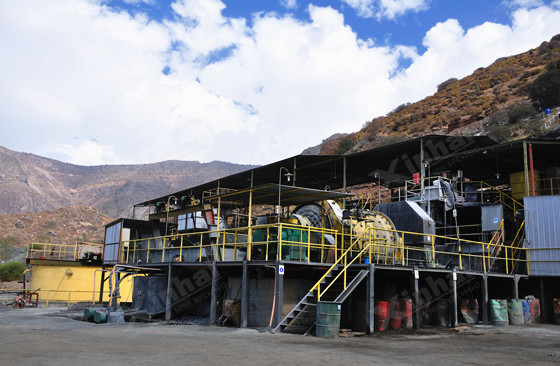
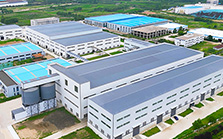
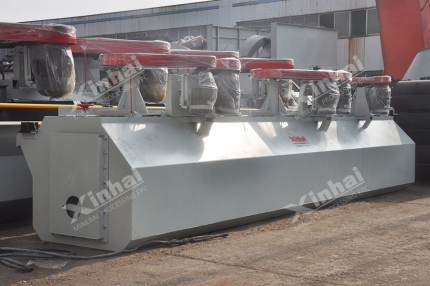
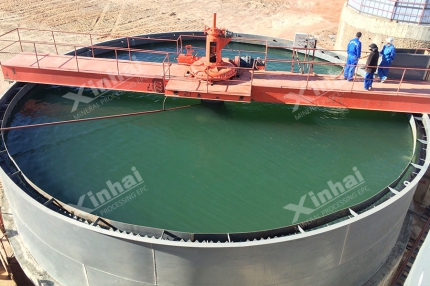
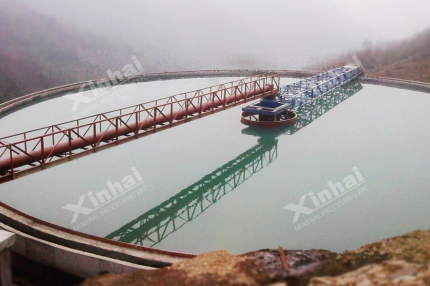
(Xinhai Mining overseas copper mineral processing project)
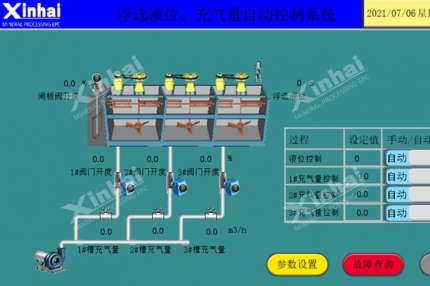
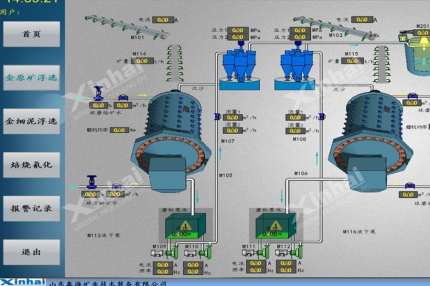
Other critical areas where Xinhai adds real value include energy-efficient comminution and flotation systems, advanced tailings and water management solutions (such as dry stacking and high-recycling circuits), and intelligent plant designs with automation and real-time monitoring. All of these help lower operating costs, reduce environmental impact, and support strong ESG performance.
Conclusion
La Granja is not an isolated story — it reflects a broader shift happening across the global copper industry. As new projects become bigger, more technically demanding, and face higher ESG expectations, mining companies are looking for partners who bring not only metallurgical depth but also reliable project delivery and operational experience.
In this evolving landscape, integrated solutions that cover everything from ore characterization to sustainable plant design and long-term support will make the difference in meeting the world’s growing need for copper. Projects like La Granja are setting the new standard for responsible, large-scale copper mining — and experienced solution providers like Xinhai are ready to help bring them into production successfully.
 marketing@xinhaimining.com
  0086 13810327080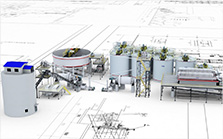







 CHAT
CHAT MESSAGE