A mineral processing plant depends on a series of interrelated decisions. Ore characteristics inform the process design. The flowsheet shapes equipment selection, plant layout, and utility requirements. Installation must then work within the conditions on site, while operations teams respond to the ore and equipment performance they encounter.
A change in one area can affect several others. Delivering a project therefore takes more than expertise in individual disciplines. It calls for teams that can bring those disciplines together from testwork and design through installation and operation.
Across Xinhai Mining Group, this work connects design, research and development, equipment manufacturing, installation, and operations. Xinhai Mine Design Institute has a team of 150 professionals. Its core experts have an average of more than 30 years’ experience in large-scale mine design. The R&D team has more than 100 full-time personnel, 55% of whom hold master’s or doctoral degrees.
Use the table of contents below to navigate through the guide:
01Xinhai Mine Design Institute: Experience Across Disciplines
Xinhai Mine Design Team includes professionals with backgrounds at organisations such as China ENFI, China Nerin, BGRIMM, CCTEG Xi’an Research Institute, and Shandong Gold Design Institute, as well as international engineering firms including Ausenco, Bechtel, and Fluor.
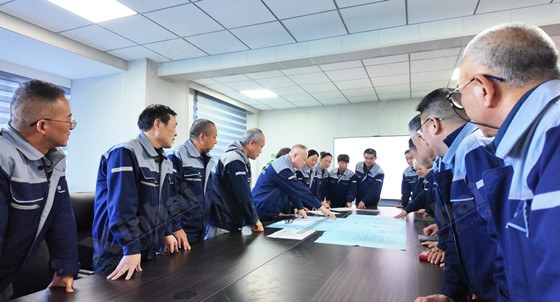
Their expertise spans geology, surveying, mining, mineral processing, metallurgy, mechanical and electrical engineering, automation, civil engineering, water supply and drainage, and tailings management. Xinhai Mine Design Institute undertakes multidisciplinary mine engineering and has capabilities aligned with Australian, U.S., and European standards.
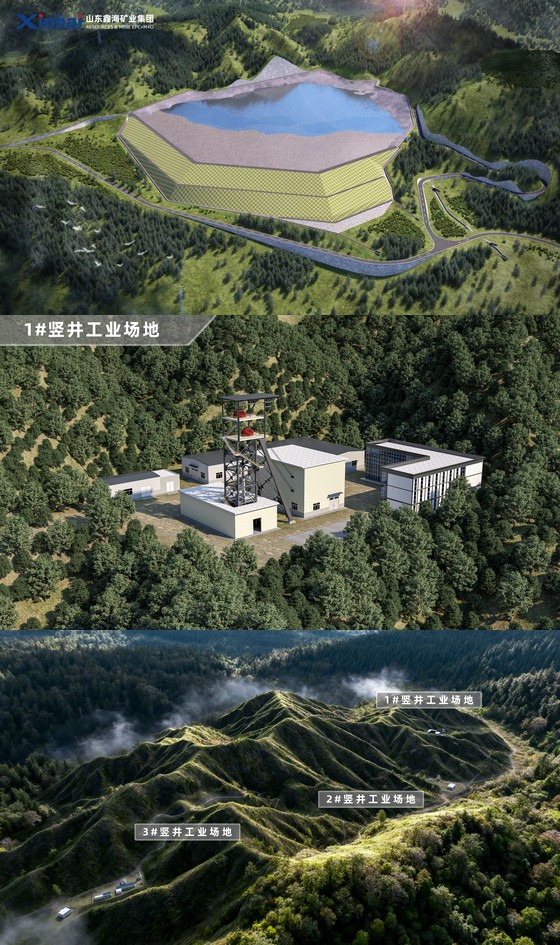
(Gold mine tailings pond and shaft industrial site design rendering, aerial view of a mountainous mining area.)
The R&D team works across electromechanical integration, numerical simulation, intelligent measurement and control, advanced materials, and fluid systems. Its industrial-grade computing center supports research into AI-enabled sensing, data integration, coordinated equipment control, remote decision support, and digital simulation.
This breadth matters because process, equipment, infrastructure, and operating requirements are closely linked. A decision made in one area can shape the design and performance of the plant as a whole.
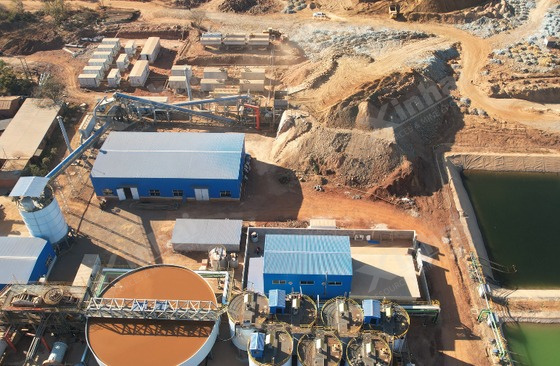
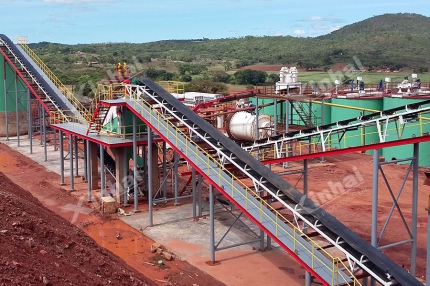
A lithium project in Zimbabwe illustrates how testwork can inform those decisions. The original process scheme did not include a route for recovering petalite. Xinhai established a dedicated lithium testwork and pilot study center and built dense media separation test and pilot equipment to assess a recovery route. The process was subsequently applied at industrial scale. The plant was completed and commissioned in 364 days, with annual production of approximately 50,000 tonnes of petalite concentrate grading more than 3.8% Li₂O.
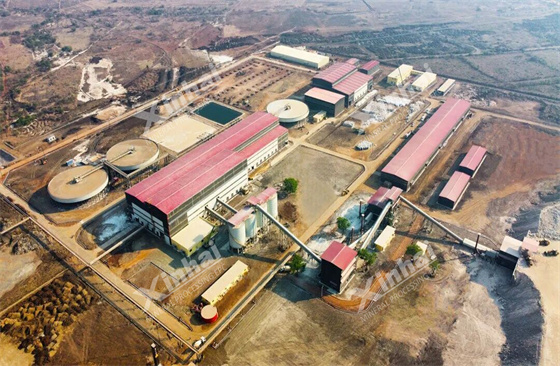
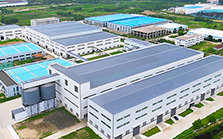
(Zimbabwe 2Mt/a lithium processing plant project)
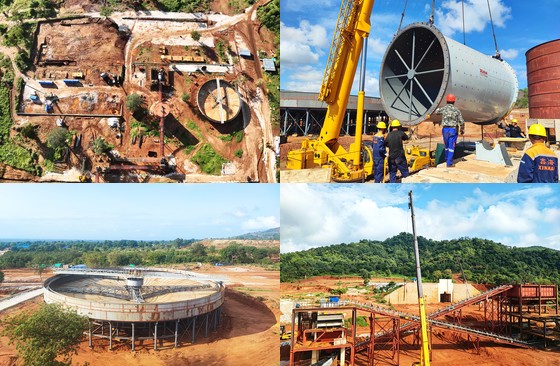
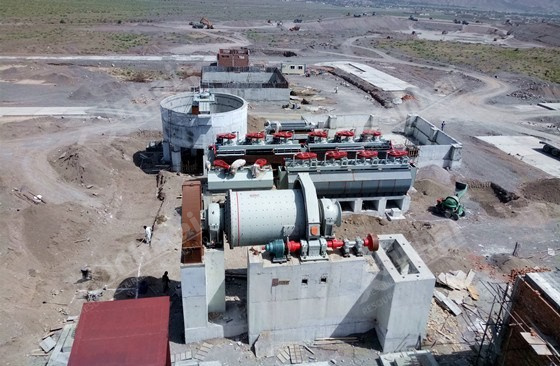
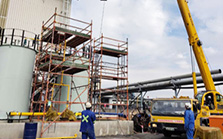
(Tanzania 3000t/d graphite ore processing plant construction site, aerial view and equipment installation.)
02Connecting Engineering with Site Conditions
None of that matters until a drawing reaches the ground. There, the design meets an owner's engineer, a supervisor, a crew that hasn't run the circuit, and a schedule that started weeks ago.
Jiang Xuechun is one of the installation managers who carries that structure onto site. He spends most of the year on projects rather than at head office, and has installed plants in Pakistan, Malaysia, Zimbabwe and Tanzania. On one of them, the dimensions on the drawing didn't match the ground. He did not improvise. He called Xinhai Mine Design Institute's engineer, the owner's representative and the supervisor to the same spot, had the connection reviewed, and revised the installation method with all three before work resumed — days, against the weeks a written change request usually takes. Overseas acceptance adds inspection steps, stricter safety approval, and documentation that must be complete before a unit is signed off.
These situations call for input from several functions: design expertise to assess the change, site experience to understand the conditions, and supply coordination to support the work. The value of a multidisciplinary team lies not simply in the range of expertise it brings, but in how that expertise is applied when project conditions change.
03Working with Local Operations Teams
Coordination continues after installation. A processing plant relies on operators who understand the process, follow safe procedures, and communicate issues as they arise. Overseas projects also require teams to work across languages, local workplace practices, and regulatory requirements.
Luo Yunri began working on overseas projects in translation roles, while also assisting with other plant activities. That experience helped him develop a broader understanding of plant operations. He now leads operations at a gold processing project in Guinea. His responsibilities include coordinating Chinese and local employees, recording and analysing production data, supporting equipment commissioning, improving processes, controlling costs, and managing safety.
Luo’s approach to workforce coordination includes role-based training, transparent attendance and performance rules, respect for local culture and labour procedures, and appointing trusted local employees as team leaders to help bridge communication. These practices help make technical instructions clear to the people carrying out the work while supporting the development of local operating skills.
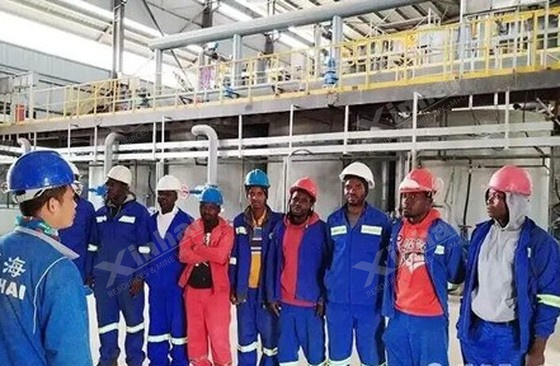
Design and R&D teams provide technical expertise; installation and operations teams connect it to the site and workforce. Clear handovers and practical communication help carry that expertise through each stage of a project.
04Developing Capabilities for Future Projects
People such as Jiang Xuechun and Luo Yunri reflect the qualities Xinhai values: they understand site conditions, take responsibility, and solve problems where the work happens. Xinhai is committed to developing people with these capabilities while continuing to recruit and build a strong talent pipeline across design, R&D, installation, operations, and project services. For Xinhai, progress is measured not only by the number of projects delivered and clients served, but also by advanced equipment developed and industry recognitions received. It is also measured by whether its people can turn technical expertise into practical solutions and address the challenges clients face during project development and operation.
 marketing@xinhaimining.com
 0086 13810327080









 CHAT
 MESSAGE