For decades, mine construction has been fragmented, with separate contractors managing extraction, processing, and tailings. This siloed approach—historically driven by specialization—is becoming increasingly problematic. Today, tight margins, heightened environmental scrutiny, and aggressive project timelines often turn cross-contractor interfaces into grounds for conflict and delays.
The Integrated EPC (Engineering, Procurement, Construction) model addresses this by placing a single contractor in charge of the entire process—from mining and processing to tailings management.
Can one contractor manage it all effectively? Yes, but only under the right conditions. Here is a closer look at when an integrated mine-to-tailings EPC model makes strategic sense.
Use the table of contents below to navigate through the guide:
01What “Integrated” Actually Means
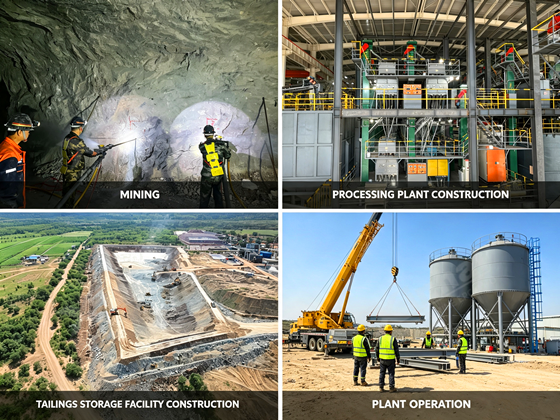
An integrated mining EPC is not simply a construction contract with a wider scope. It bundles:
Mine development: Stripping, haul road construction, and initial ore exposure.
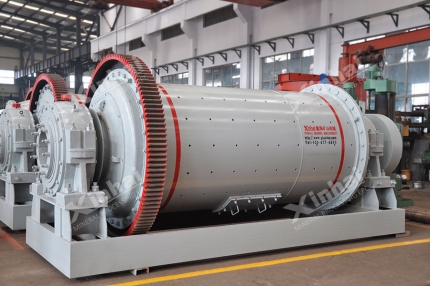
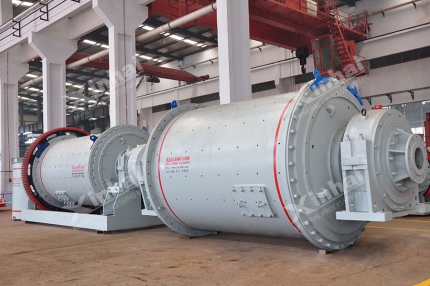
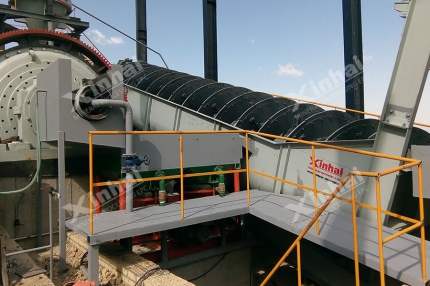
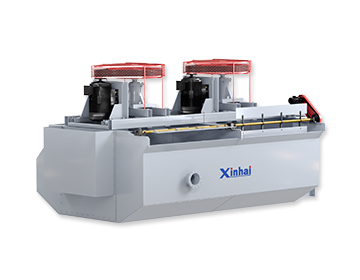
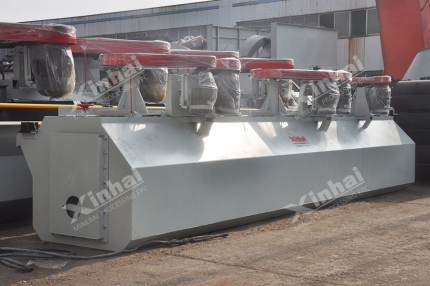
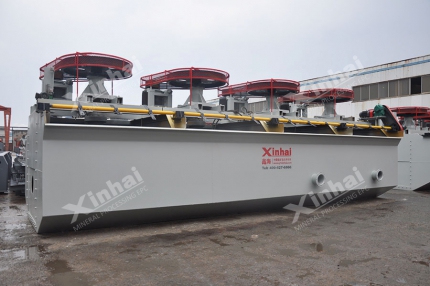
Mineral processing: Crushing, grinding (ball mills, SAG mills), flotation, CIL/CIP circuits, and refining.
Tailings and water management: TSF (Tailings Storage Facility) construction, paste backfill plants, water treatment, and closure planning.
Shared infrastructure: Power, water, camp facilities, and logistics.
Crucially, the contractor becomes the single point of accountability for schedule, cost, and performance.
02When Does Integrated EPC Make Sense?
1. When Project Interfaces Are More Complex Than the Individual Packages
This is perhaps the strongest argument for an integrated model.
If mining, mineral processing, tailings, water, power, and infrastructure are relatively independent, separate contracts may suffice. However, when these systems are tightly interdependent, the owner must spend considerable effort coordinating design changes, schedules, procurement, and commissioning across multiple parties. In such projects, the cost of managing interfaces can easily exceed the savings achieved by splitting contracts.
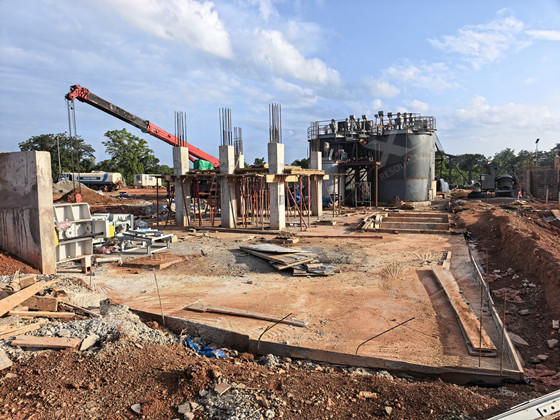
The decision should therefore be based less on project size and more on interface complexity. For an integrated contractor, this means viewing the project from day one as a connected system: orebody and mining conditions influence plant design; plant design determines the characteristics and quantity of tailings; tailings and water management feed back into plant operation and infrastructure requirements.
2. Remote Projects Where Logistics Drive the Schedule
Remote mines face challenges that engineering alone cannot solve. Access roads, camps, power, water supply, equipment mobilization, materials delivery, and local workforce management impact every major construction package.
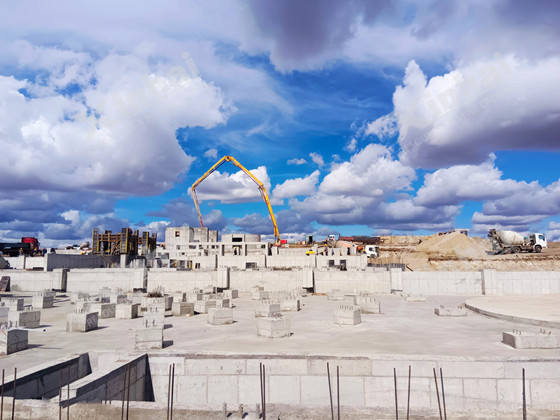
If multiple contractors mobilize independently, the owner often ends up coordinating conflicting logistics plans and construction schedules. An integrated contractor, alternatively, can coordinate common infrastructure and procurement across the entire project. This extends from engineering and equipment manufacturing to site construction, installation, and commissioning.
While this does not automatically make an integrated EPC project cheaper, it eliminates duplicated efforts and provides the owner with a single project team responsible for the overall delivery sequence.
3. When Processing and Tailings Are Closely Linked
Tailings should never be treated simply as the final waste stream leaving the processing plant.
The process determines the physical and chemical characteristics of the tailings. Those characteristics influence thickening, pumping, filtration, transportation, deposition, water recovery, and storage requirements. Consider a filtered tailings project: filter performance affects cake moisture and throughput; those parameters influence conveying and stacking requirements; stacking requirements then affect equipment selection, earthworks, water management, and operating costs. If each package is optimized independently, the overall system will likely underperform.
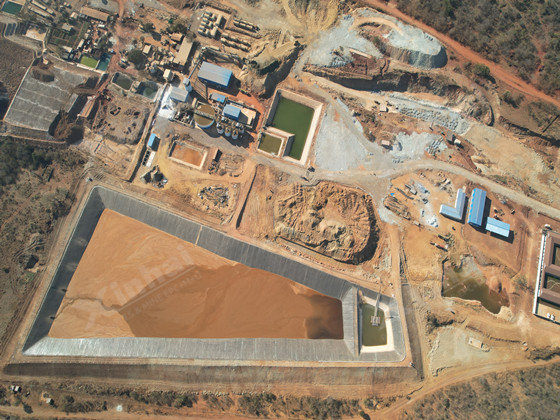
This is where comprehensive metallurgical testwork is vital. Establishing process conditions and tailings characteristics before equipment selection and plant design are finalized ensures that tailings handling and water recovery are treated as part of the wider process system. The objective is not simply to build a plant and find a place for the waste, but to design a workable flow of materials, water, and energy from feed preparation through to tailings management.
4. When the Project Has a Tight Development Schedule
Fast-track projects require engineering, procurement, construction, commissioning, and operational preparation to move in parallel. With multiple independent contractors, every major interface requires additional coordination and approval, which can bottleneck the schedule.
An integrated delivery team develops a common master schedule, aligning long-lead procurement, civil works, mechanical installation, utilities, and commissioning activities. For owners, the advantage is not simply fewer contracts, but better alignment between engineering decisions and what is eventually procured and built.
However, a caveat remains: fast-tracking only works when the process technology and design basis are sufficiently mature. Compressing an uncertain design does not remove technical risk; it merely shifts that risk into the construction phase.
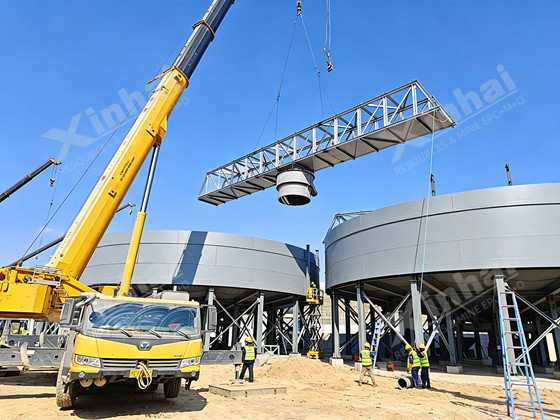
5. When Water, Energy, and Infrastructure Are Major Constraints
Modern mine development requires a project-wide view of water and energy.
A processing plant may require large volumes of process water, while tailings systems dictate how much can be recovered. Mine dewatering affects the site’s overall water balance. Meanwhile, pumping, crushing, grinding, filtration, and material handling represent significant energy loads. An integrated project team evaluates these systems together rather than optimizing each in isolation. When the process plant, tailings system, and water circuits are considered collectively, design decisions can be weighed against their impact on both capital requirements and long-term operating costs.
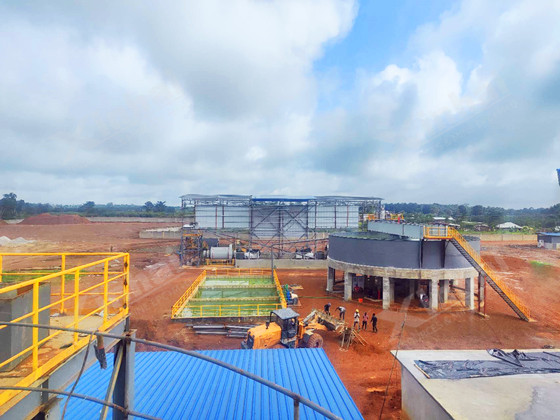
03When Integrated EPC May Not Be the Best Choice
Integrated EPC is not a silver bullet.
A smaller project with simple interfaces may gain little from bundling multiple scopes; separate specialist contractors may offer greater flexibility and competitive pricing. Brownfield projects can also favor a fragmented approach. If an owner is adding a relatively isolated piece of equipment or expanding a well-understood circuit, bringing in an entire mining-and-tailings EPC structure may create unnecessary management overhead.
Furthermore, highly specialized or unproven processing technology requires careful consideration. If the metallurgical process is still being developed, the owner may need a specialist technology provider even when the wider project uses an integrated delivery model. Integration should never mean eliminating specialist expertise; rather, it should bring that expertise into a coordinated structure with clearly defined responsibilities.
04Conclusion: The Value of a Single Point of Accountability
Can one contractor handle mining, processing, and tailings? Yes. The industry has evolved, and integrated delivery has proven its ability to reduce interface risks, compress schedules, and optimize resource utilization.
However, the decision to use an Integrated EPC model should be based on the specific geometry of the project—not a contractor’s sales pitch. For large, remote, highly interdependent projects with aggressive timelines, and where an owner is willing to pay a premium for single-point accountability, Integrated EPC is a game-changer. For simpler projects, the traditional, fragmented approach remains the safer, more cost-effective path.
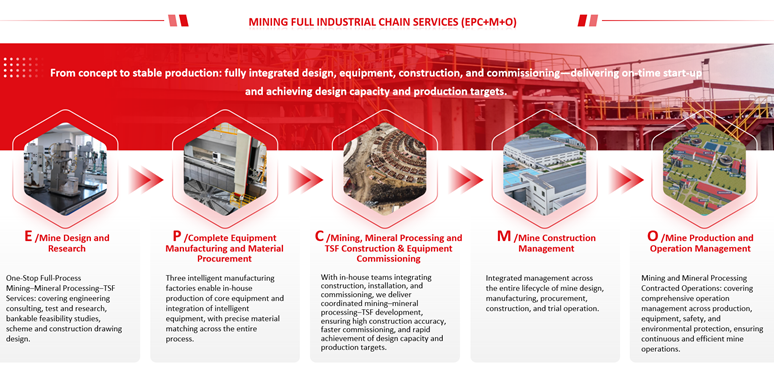
This is where Xinhai Mining’s integrated approach becomes highly relevant. Rather than treating mining, mineral processing, and tailings as isolated packages, Xinhai integrates mine development, metallurgical testing, process design, equipment manufacturing, plant construction, tailings engineering, and commissioning into a unified project framework. The true value we deliver is not merely having multiple capabilities under one roof, but the technical expertise to seamlessly manage their interfaces from the earliest stages of planning through to final execution.
Xinhai’s Integrated Project Delivery Experience
Project | Location | Capacity | Delivery Model | Key Capability |
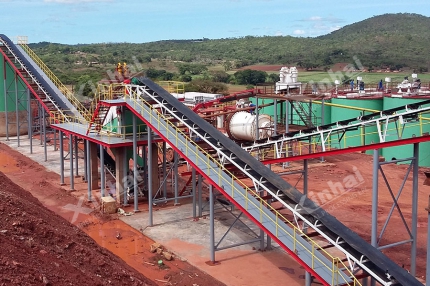
Spodumene Flotation Plant | Zimbabwe | 2 Mtpa | EPC | Testing → Design → Manufacturing → Construction → Commissioning → Tailings |
Galena–Fluorite Plant | Italy | 1,200 t/d | EPC+M+O | EU-compliant engineering + Operations Support |
Polymetallic Flotation Expansion | China | 1,500 t/d | EPC | Fast-track Brownfield Expansion |
Copper Flotation Plant | Kazakhstan | 1.5 Mtpa | EPC+M+O | Large-scale Copper Processing |
Gold Heap Leaching Project | Mongolia | 3 Mtpa | EPC+M+O | Heap Leaching + Cold-climate Adaptation |
Explore More Xinhai Global Mining Projects
 marketing@xinhaimining.com
  0086 13810327080








 CHAT
CHAT MESSAGE