Choosing the right copper ore processing route starts with a simple question: is the ore mainly oxide or sulfide? This is an important first step, but it does not tell the whole story.
Copper sulfide ore processing commonly relies on flotation, while copper oxide ore processing may involve leaching, flotation, or a combination of methods. The real challenge is understanding how the copper minerals will respond during processing. Mineralogy, liberation characteristics, gangue composition, oxidation degree, and testwork results all influence the final copper processing flowsheet.
The goal is not simply to classify the ore, but to find a recovery route that works for the ore itself.
Use the table of contents below to navigate through the guide:
01What Is the Difference Between Copper Oxide and Sulfide Ores?
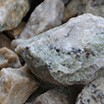
Copper oxide ores contain copper mainly in oxidized mineral forms, while copper sulfide ores contain copper in sulfide minerals.
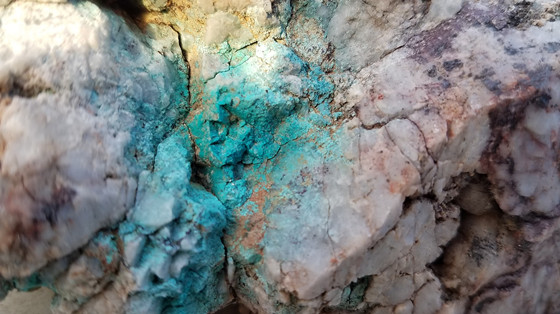
(Copper Oxide Ore)
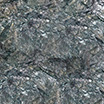
Common copper sulfide minerals include chalcopyrite, bornite, and chalcocite, while oxide copper ores may contain minerals such as malachite and azurite.
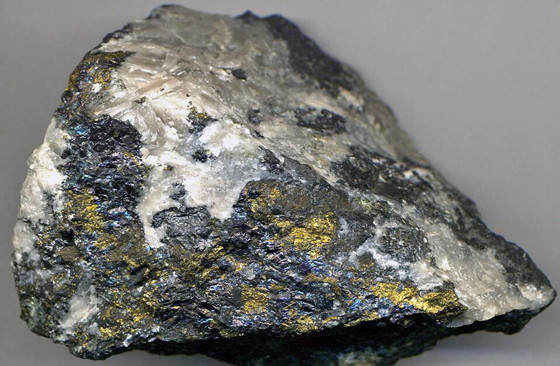
(Copper Sulfide Ore)
Why does this difference matter? Because these minerals do not behave the same way during processing. Many copper sulfide minerals respond well to flotation under suitable conditions, making flotation a common recovery method. Some oxide copper minerals, meanwhile, may be more amenable to leaching.
But this is only the first step in understanding the ore. Two deposits may both be described as copper oxide ores, yet behave quite differently in a processing plant. The same is true for sulfide ores.
That is why engineers also look at copper mineralogy, mineral association, liberation, oxidation degree, and gangue characteristics before choosing a route.
The processing route depends on how the copper minerals occur in the ore, not simply whether the ore is classified as oxide or sulfide.
02How Is Copper Sulfide Ore Processed?
For many copper sulfide deposits, crushing, grinding, and flotation form the core of the processing flowsheet.
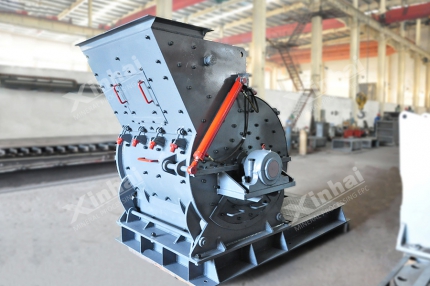
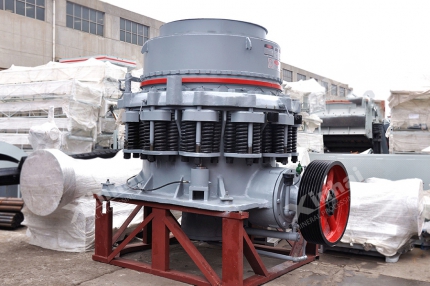
Crushing reduces the run-of-mine ore to a suitable size, followed by grinding to liberate copper-bearing minerals from the surrounding gangue.
The ground ore then enters the copper flotation circuit. Rougher, scavenger, and cleaner stages may be used to recover copper minerals and produce a concentrate with the required quality.
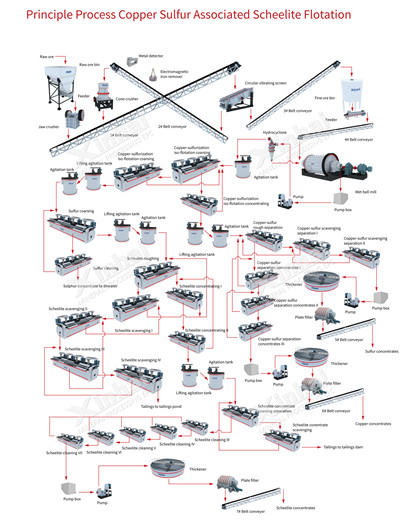
For a relatively simple sulfide ore, a conventional flotation flowsheet may work well. Once the mineralogy becomes more complicated, however, the flowsheet may need to do more than simply recover copper.
For example, when copper occurs together with lead and zinc, the process needs to consider how these valuable minerals can be separated and recovered selectively. The right circuit is therefore closely tied to the way the minerals occur in the ore.
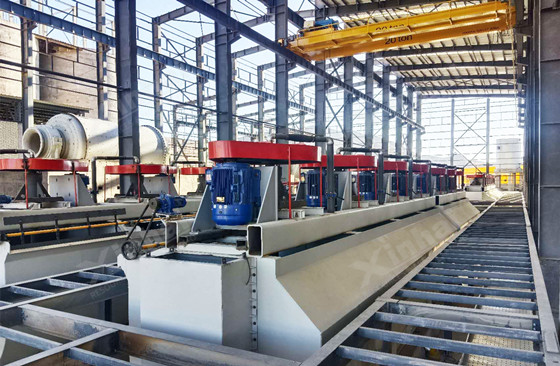
03How Is Copper Oxide Ore Processed?
Copper oxide ore processing may involve leaching, flotation, or a combined process, depending on the mineralogy and processing response of the ore.
Leaching is often considered when the copper minerals show suitable solubility under the selected conditions. Copper is transferred into solution and can then be recovered through downstream processes.
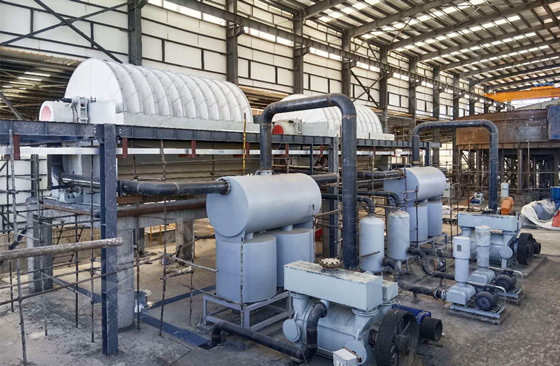
Flotation can also be considered for certain oxide copper ores. Its effectiveness, however, depends on factors such as mineral type, surface properties, oxidation degree, gangue composition, and reagent conditions.
This is where a simple rule such as “oxide means leaching” can become misleading. Some oxide ores may leach well, while others may respond better to flotation or require a combination of methods.
The practical question is therefore not “Is this an oxide ore?”, but “How does the copper in this ore respond to the available recovery methods?”
Oxide does not automatically mean leaching. Ore characteristics and testwork should guide the decision.
04Copper Oxide vs Sulfide Ore Processing: Which One Is More Difficult?
There is no simple answer that oxide ores are harder than sulfide ores, or the other way around.
In practice, processing difficulty is influenced by copper mineralogy, liberation size, oxidation degree, gangue composition, mineral association, and ore variability.
A sulfide ore can be relatively straightforward when the copper minerals are well liberated and respond well to flotation. A complex sulfide ore with fine liberation or difficult mineral associations can be a very different story.
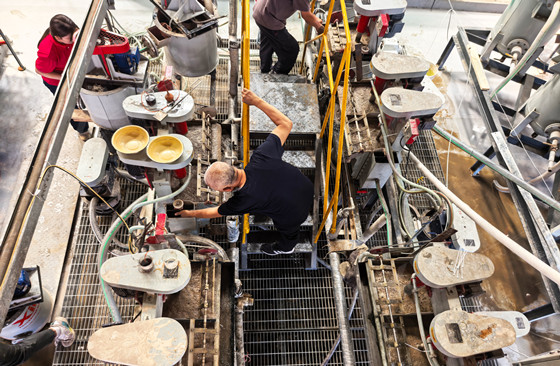
(Pilot-scale beneficiation test for copper ore)
Oxide ores can also vary widely. Some copper minerals may respond well to leaching, while others can create challenges because of poor leachability, high acid consumption, or unfavorable gangue characteristics.
So the difficulty lies in the ore's behavior, not simply in the label attached to it.
Processing difficulty is determined by ore characteristics and process response, not simply by the oxide or sulfide classification.
05Xinhai Copper Processing: From Mineralogy to EPCM+O
At Xinhai, copper processing starts with understanding the ore.
Before developing a flowsheet, the project team evaluates the mineralogy, liberation characteristics, flotation or leaching response, and associated minerals. Beneficiation testwork then provides the basis for selecting the recovery route, process configuration, and equipment.
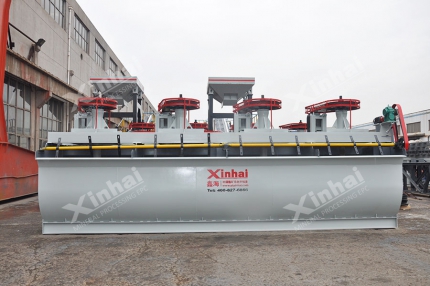
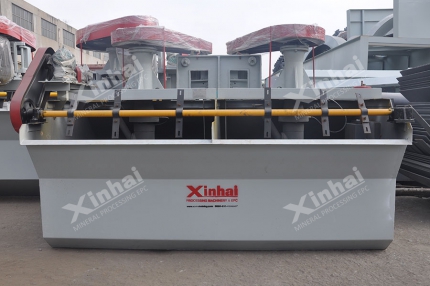
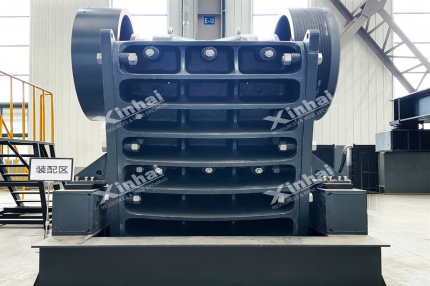
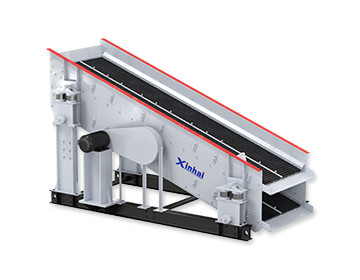
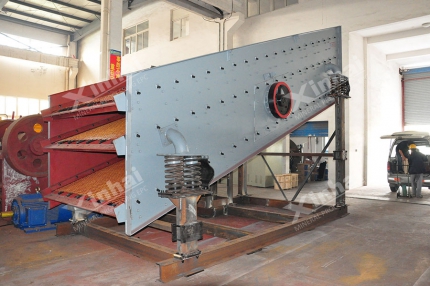
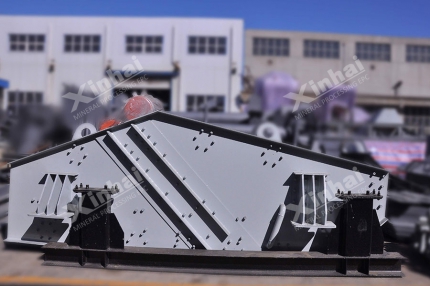
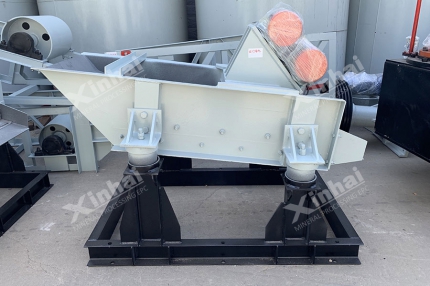
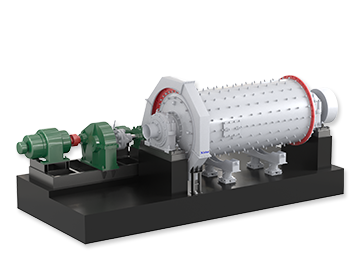
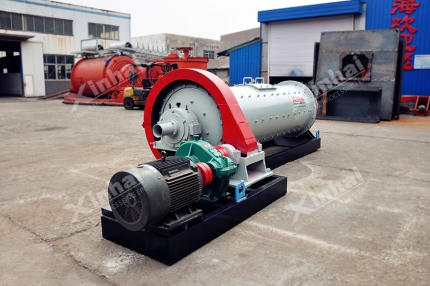
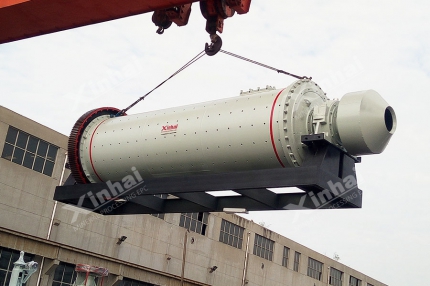
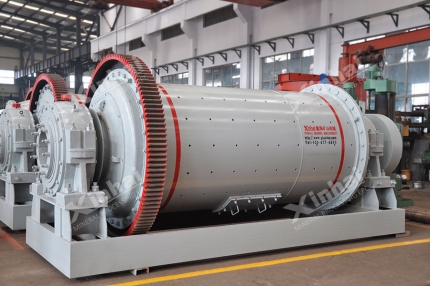
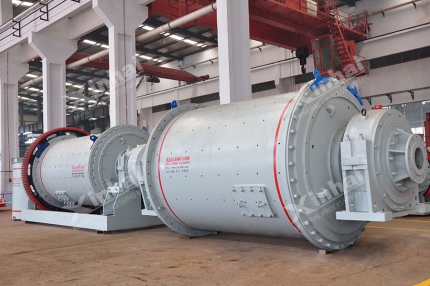
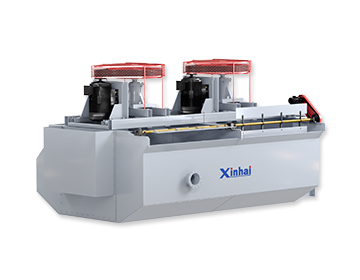
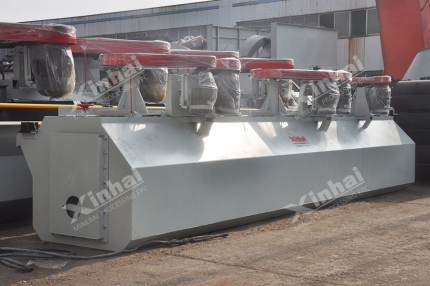
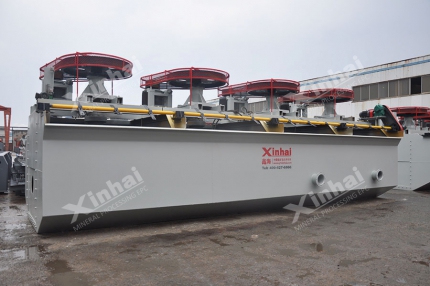
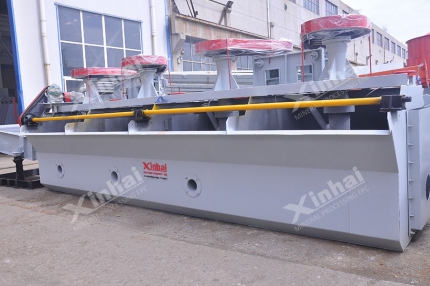
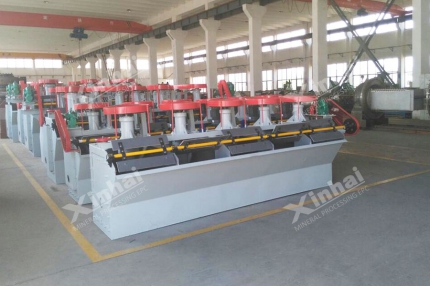
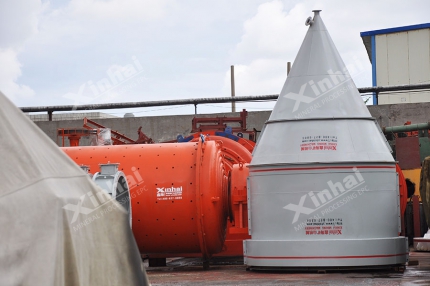
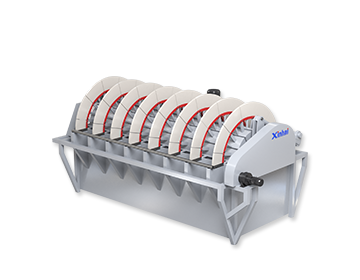
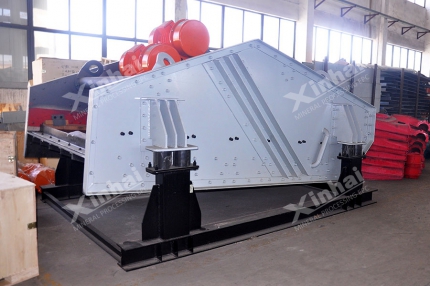
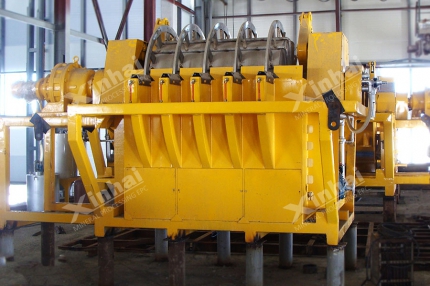
A good example is the Myanmar 500 t/d Copper Mine Flotation Plant Project. Based on beneficiation testwork, Xinhai developed a flotation flowsheet consisting of one-stage roughing, two-stage concentration, and three-stage scavenging. The process included crushing and screening, grinding and classification, followed by flotation to produce the final concentrate. The main equipment included a jaw crusher, circular vibrating screen, grid-type ball mill, and KYF flotation cells.
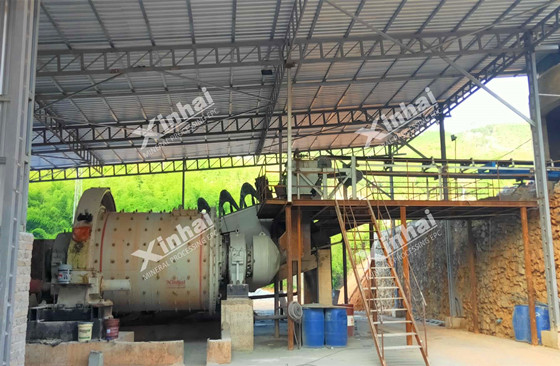
(Myanmar 500 t/d Copper Mine Flotation Plant)
The project was delivered as an EPCM+O project, covering design and research, equipment manufacturing and procurement, commissioning, and mine management and operation. It is a practical example of how testwork can be carried through to a complete processing plant rather than stopping at a laboratory flowsheet.
For copper projects, this is often the important part: the flowsheet needs to work not only on paper, but as an integrated plant.
06FAQs
What is the main difference between copper oxide and sulfide ore processing?
Copper sulfide ores are commonly processed by flotation because many sulfide copper minerals respond well to flotation. Copper oxide ores may be processed by leaching, flotation, or a combination of methods, depending on their mineralogy and processing response. The appropriate route should be determined through ore characterization and testwork.
Why is flotation commonly used for copper sulfide ores?
Many copper sulfide minerals have suitable surface properties for flotation after appropriate grinding and reagent conditioning. Flotation can separate copper-bearing minerals from gangue and produce a copper concentrate. The actual flotation conditions depend on the mineralogy and liberation characteristics of the ore.
Is leaching suitable for all copper oxide ores?
No. The suitability of leaching depends on the copper minerals, their leachability, gangue composition, acid consumption, and other ore characteristics. Some oxide copper ores may respond well to leaching, while others may require flotation or a combined processing route.
 marketing@xinhaimining.com
  0086 13810327080










 CHAT
CHAT MESSAGE